Choosing a veterinarian is one of the most important decisions you will make for your dog, cat, or other companion animal.
The right vet is not simply the clinic with the highest online rating or the one closest to your home. It is the practice that can provide safe, understandable, and consistent care for your pet’s age, species, health needs, temperament, and your family’s routine.
If you live in Gurgaon—also commonly written as Gurugram—your options may range from neighbourhood clinics and larger veterinary hospitals to mobile veterinarians and specialty centres. Before booking an appointment, compare them carefully. The following ten checks can help you find a vet who is a good long-term fit, not just a convenient name in a search result.

1. Verify the veterinarian’s qualifications and registration
Start with the basics. Ask for the veterinarian’s professional qualification, area of experience, and applicable registration details.
In India, the Veterinary Council of India’s official registration guidance refers to a veterinary degree from a recognised university and a State Veterinary Council certificate as part of the registration framework .
You do not need to feel uncomfortable asking a clinic for this information. A trustworthy practice should be able to explain who will examine your pet and what credentials they hold.
If the clinic uses assistants, technicians, or visiting specialists, ask which person is responsible for diagnosis, prescriptions, procedures, and follow-up.

2. Check whether the vet treats your pet’s species and life stage
A vet who is excellent with dogs may not see many cats, rabbits, birds, or exotic pets. Even within dogs and cats, puppies, kittens, senior animals, brachycephalic breeds, and pets with chronic disease can require different expertise.
Ask whether the practice regularly treats your pet’s species and whether it has experience with your pet’s current or likely needs.
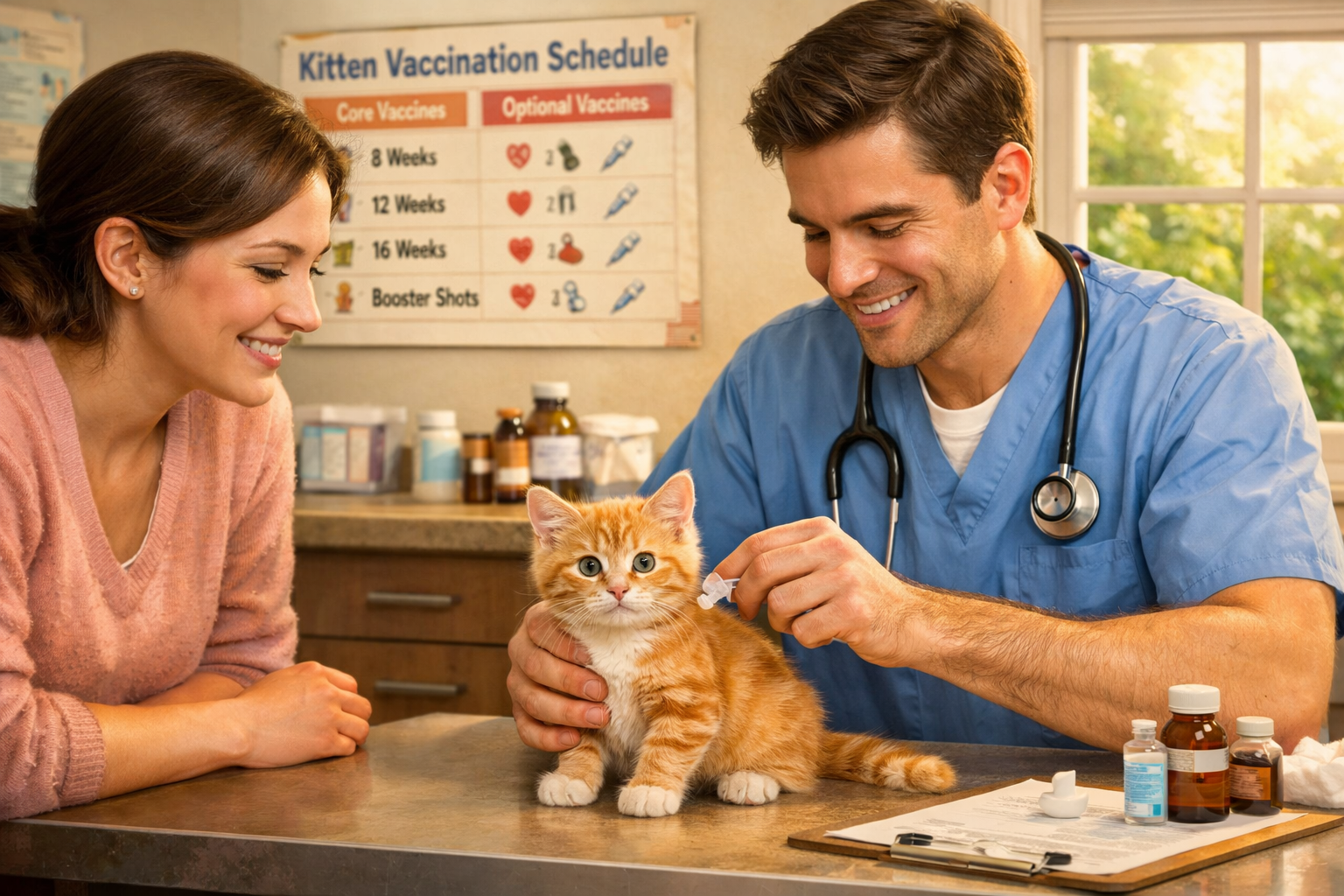
For example, a new kitten may need vaccination and parasite guidance, while an older dog may benefit from pain management, mobility assessment, dental care, and periodic diagnostic testing.
The best vet in Gurgaon for one household may not be the best choice for another because “best” depends on the pet’s needs.
3. Look beyond the clinic’s address: assess real accessibility
Location matters most when your pet is sick, frightened, injured, or difficult to transport.
Check the actual travel time from your home at the hours you are most likely to need care, not just the distance shown on a map.
In Gurgaon, also consider traffic, parking, lift access in high-rise societies, and whether the entrance is easy to find at night.
The American Animal Hospital Association recommends considering proximity, hours, parking, transportation, and emergency-visit options when choosing a veterinary practice .
If you are considering a home veterinarian, confirm the provider’s service area, travel time, visit hours, and backup plan if your pet needs hospital-level care.

4. Ask what happens after regular hours
A clinic can be excellent during the day and still be unsuitable as your only emergency resource.
Ask whether the practice accepts urgent cases, provides an after-hours number, or refers patients to a specific emergency hospital. Save that information in your phone before a crisis occurs.
You should know exactly where to go for breathing difficulty, collapse, uncontrolled bleeding, suspected poisoning, inability to urinate, major trauma, or a prolonged seizure.
These signs require urgent veterinary attention rather than a routine appointment. A regular vet should be able to tell you how its emergency pathway works, even if emergencies are handled by another hospital.
5. Review the clinic’s services and diagnostic capability
A good first consultation may require more than a physical examination. Ask what the clinic can provide on-site and what it sends to an external laboratory or referral centre.
Useful questions include whether the practice offers blood and urine testing, digital imaging, ultrasound, dentistry, surgery, hospitalisation, pharmacy support, and sample collection.
You are not looking for the longest service list. You are checking whether the clinic can coordinate the next step without leaving you confused.
If your pet has a chronic condition, ask whether the practice can monitor the condition over time and share reports with a specialist when needed.

6. Pay attention to how the team communicates
Communication is part of medical care. During your first call, notice whether the receptionist listens, asks relevant questions, explains appointment availability clearly, and tells you what to do if your pet worsens.
During the consultation, a good veterinarian should explain the likely possibilities, recommended tests, treatment options, warning signs, and follow-up plan in language you understand.
The American Veterinary Medical Association describes the veterinarian-client-patient relationship as a foundation for trust, communication, and informed decisions .
You should feel able to ask, “What are we trying to find out?”, “What happens if we wait?”, and “Which signs mean I should return immediately?” A vet who welcomes reasonable questions is easier to work with over the long term.
7. Compare estimates, payment policies, and prescription practices
Veterinary care can involve consultation fees, medicines, tests, procedures, hospitalisation, and follow-up visits.
Ask for an estimate before non-emergency tests or procedures whenever possible. Also ask whether the estimate is a range, what it includes, and how the clinic will contact you if the expected cost changes.
Clarify accepted payment methods, refund or cancellation policies, medicine availability, and whether you will receive an itemised bill.
Be cautious of any practice that pressures you to purchase unnecessary products or refuses to explain why a test or medicine has been recommended. Cost transparency does not mean every clinic will charge the same; it means you can make an informed decision.
8. Observe cleanliness, safety, and handling standards
A quick visit can tell you a great deal. Look for a reasonably clean reception and examination area, safe handling of animals, secure doors, clear medicine storage, and staff who take infection control seriously. Ask how the clinic separates or manages nervous, contagious, and recovering patients.
Your pet’s emotional safety matters too. Some dogs show fear through panting, drooling, avoidance, growling, snapping, or hiding, while cats may become distressed by unfamiliar smells, noise, and close contact with other animals.
VCA Animal Hospitals notes that veterinary-office fear is common and can be related to the environment and memories of treatment .
Ask whether the clinic uses calm handling, cat-friendly appointment timing, waiting-room separation, or other low-stress practices.

9. Check preventive-care planning, not just illness treatment
A dependable vet should help you plan care before a problem becomes urgent. Ask how the practice approaches vaccinations, parasite prevention, dental health, nutrition, weight, sterilisation, behaviour, and age-related screening.
Preventive care should be tailored to the pet’s species, lifestyle, environment, travel, exposure risk, and medical history rather than delivered as a one-size-fits-all package.
The AAHA and AVMA preventive-care framework includes regular health examinations, vaccination planning, parasite control, and appropriate diagnostic evaluation .
Ask how often your pet should be reviewed and what records the clinic will maintain.
Keeping vaccination history, prescriptions, test reports, and discharge notes organised makes every future visit more useful.
10. Decide whether the practice is a comfortable long-term fit
Your final check is personal but important:
- can you imagine calling this clinic when your pet is frightened, deteriorating, or entering a new stage of life?
- Trust your observations.
- Does the veterinarian listen?
- Does the team remember relevant details?
- Are instructions written down?
- Is follow-up proactive?
- Does the clinic work respectfully with your budget and decisions?
You may prefer one practice for routine care and another hospital for emergencies or specialist treatment. That is perfectly reasonable. What matters is having a clear primary vet, a known emergency option, and your pet’s records available to both when care is transferred.
A quick comparison checklist for Gurgaon pet parents
|
Check
|
Questions to ask before choosing
|
|---|---|
|
Credentials
|
What is the veterinarian’s qualification and applicable registration information?
|
|
Pet fit
|
Does the practice regularly treat my species, breed type, age group, or condition?
|
|
Access
|
How long will it take to reach the clinic, and is parking or lift access practical?
|
|
Emergencies
|
Who handles urgent cases after hours, and where should I go at night?
|
|
Diagnostics
|
Which tests and procedures are available on-site or through referral?
|
|
Communication
|
Will the vet explain options, risks, costs, and follow-up in plain language?
|
|
Comfort
|
Does the team use calm, safe, and species-appropriate handling?
|
|
Continuity
|
Will the clinic maintain records and coordinate referrals when necessary?
|

Final takeaway
The best vet in Gurgaon is not necessarily the most expensive clinic, the largest hospital, or the closest listing.
It is the veterinarian and care team that combine appropriate credentials, accessible services, clear communication, humane handling, transparent costs, preventive planning, and a reliable emergency pathway.
Shortlist two or three practices, call with a few practical questions, and book a wellness visit before your pet is seriously ill.
That first low-pressure appointment will show you how the team listens, examines, explains, and plans. When the day comes that your pet needs help quickly, you will already know whom to call.
This article is for general educational purposes and does not replace veterinary examination or case-specific medical advice. Always contact a licensed veterinarian for decisions about your pet’s health.
References
[1] Veterinary Council of India, “Registration in VCI”, official Government of India page.
[3] American Veterinary Medical Association, “The veterinarian-client-patient relationship (VCPR)”.
[4] VCA Animal Hospitals, “Reducing Fear of Veterinary Visits for Dogs”.
[5] AAHA, “2011 AAHA/AVMA Preventive Healthcare Guidelines”.