Pet Insurance Could Save You Lakhs—But Only If You Buy the Right Policy
Imagine this.
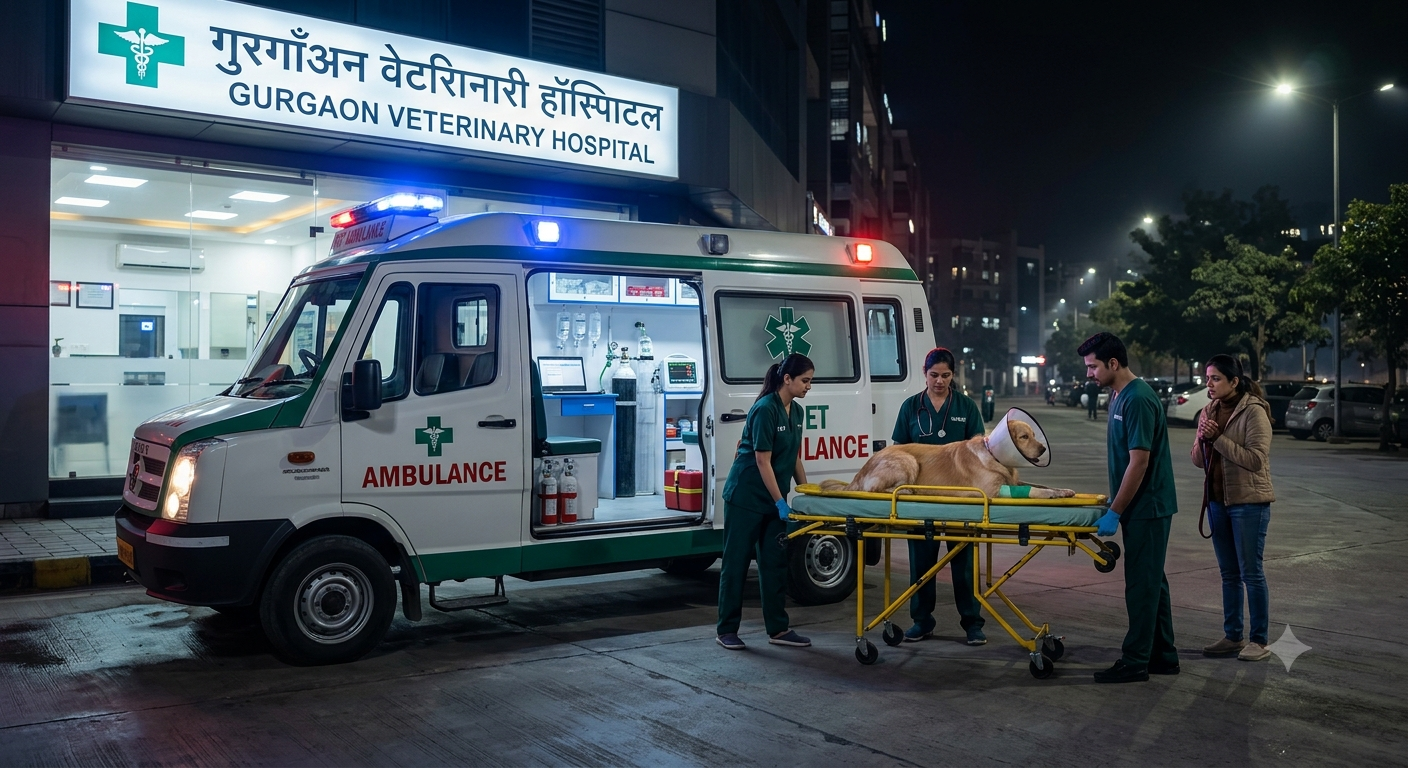
Your two-year-old Labrador suddenly stops eating. After a visit to the veterinarian, blood tests, an ultrasound, and surgery reveal that your dog has swallowed a toy. Within 48 hours, you’ve spent over ₹65,000 on diagnostics, surgery, hospitalization, medications, and follow-up visits.
Now imagine another pet parent facing the same emergency but having an active pet insurance policy. Instead of worrying about arranging money overnight, they only need to complete the claim process and recover a significant portion of the treatment cost, depending on their policy.
This situation is becoming increasingly common across India. Veterinary care has advanced rapidly over the last few years. Modern clinics now offer digital X-rays, MRI scans, CT scans, advanced surgeries, chemotherapy, physiotherapy, ICU care, and specialist consultations. While these medical advancements improve outcomes, they also make pet healthcare considerably more expensive.
This is why thousands of pet parents are now searching for answers to one important question:
Is pet insurance worth buying in India in 2026?
The short answer is yes—for many pet owners—but only if you choose the right policy, understand what it covers, and buy it before your pet develops health problems.
In this complete guide, you’ll learn how pet insurance works in India, how much it costs, which companies offer the best plans, what is covered, what isn’t, how claims work, and whether buying pet insurance actually makes financial sense.

Quick Answer
If your pet is young, healthy, and you want protection against expensive surgeries, accidents, hospitalisation, or major illnesses, pet insurance can provide valuable financial support.
However, not every policy offers the same benefits. Coverage, waiting periods, exclusions, reimbursement limits, and claim procedures differ from one insurer to another. Comparing these details is far more important than choosing the cheapest premium.
Why Pet Insurance Is Becoming Popular in India
Until a few years ago, pet insurance was something very few Indian pet owners considered. Most people simply paid veterinary bills whenever their pets became sick. However, the pet healthcare landscape has changed dramatically.
Modern veterinary hospitals now provide advanced diagnostic services, specialist surgeries, intensive care units, cancer treatment, orthopaedic procedures, physiotherapy, dental care, and even rehabilitation services. These treatments improve survival rates but also increase the overall cost of medical care.
A single emergency surgery can cost anywhere between ₹40,000 and ₹1.5 lakh, while treatment for chronic conditions such as diabetes, kidney disease, or cancer may continue for months. Routine wellness care, annual blood work, vaccinations, diagnostics, and specialist consultations also contribute to rising healthcare expenses.
As more Indian families treat pets as members of the family rather than simply animals, protecting them financially has become a priority. This shift has encouraged insurers to introduce more pet insurance options with broader coverage and improved benefits.
What Is Pet Insurance?
Pet insurance is a health insurance policy designed specifically for companion animals such as dogs and cats. Similar to human health insurance, it helps cover eligible veterinary expenses when your pet suffers from an illness, accident, injury, or requires surgery.
Instead of paying the full cost yourself, the insurance company reimburses eligible expenses according to your policy terms, deductibles, limits, and exclusions.
Some plans focus only on accidental injuries, while others provide comprehensive protection covering illnesses, surgeries, diagnostics, hospitalization, emergency treatment, and optional wellness benefits.
The level of protection depends entirely on the policy you choose.
How Does Pet Insurance Work in India?
Many first-time buyers assume pet insurance works exactly like human health insurance. While there are similarities, there are also important differences.
After purchasing a policy, your pet remains covered for eligible medical conditions after the applicable waiting period. If your pet later develops an illness or suffers an accident covered by the policy, you receive treatment from a licensed veterinarian.
Depending on the insurer and policy, you either pay the hospital bill first and submit documents for reimbursement, or, where available, receive treatment through a cashless arrangement.
The insurance company reviews your claim, verifies medical records, invoices, prescriptions, diagnostic reports, and policy terms before approving reimbursement.
Understanding this process beforehand helps avoid surprises during emergencies.
Why Veterinary Treatment Costs Are Rising in India
One reason pet insurance has become more valuable is the increasing cost of veterinary healthcare.
Modern veterinary hospitals now invest in advanced diagnostic laboratories, automated blood analysers, digital imaging systems, surgical equipment, ICU facilities, and specialist doctors. These improvements allow veterinarians to diagnose diseases earlier and perform complex procedures that were previously unavailable.
Although this technology significantly improves patient care, it also increases operational costs, which are reflected in consultation fees, surgery charges, diagnostic costs, and hospitalization expenses.
For example, treating a fractured leg, performing spinal surgery, removing an intestinal obstruction, or managing kidney disease can involve multiple investigations, imaging procedures, surgeries, medications, and follow-up visits, resulting in substantial medical bills.
Pet insurance helps reduce the financial burden associated with these unexpected emergencies.
Average Veterinary Treatment Costs in India (2026)
| Treatment | Estimated Cost |
|---|---|
| General Vet Consultation | ₹500–1,500 |
| Vaccination | ₹800–2,500 |
| Blood Test | ₹500–6,000 |
| X-ray | ₹800–3,000 |
| Ultrasound | ₹1,500–4,500 |
| Tick Fever Treatment | ₹5,000–20,000 |
| Hospitalisation | ₹3,000–15,000 per day |
| Orthopaedic Surgery | ₹35,000–1,20,000 |
| Foreign Body Surgery | ₹40,000–90,000 |
| Cancer Treatment | ₹50,000–2,50,000+ |
Looking at these figures, it’s easy to understand why many pet owners now consider insurance an important part of responsible pet care rather than an optional expense.
How Much Does Pet Insurance Cost in India?
The premium depends on several factors rather than a fixed price.
A young healthy dog generally attracts a lower premium than a senior pet because the likelihood of future claims is lower. Similarly, certain breeds with known hereditary health conditions may have higher premiums than mixed-breed or Indie dogs.
The amount of coverage you choose also affects pricing. A policy offering ₹2 lakh in annual coverage will naturally cost less than one providing ₹10 lakh.
Optional add-ons, wellness packages, OPD benefits, third-party liability protection, and higher reimbursement limits may further increase the premium.
As a broad estimate:
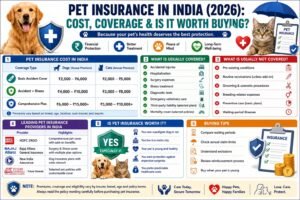
The actual premium varies depending on the insurer, breed, age, location, and policy features.
Factors That Affect Pet Insurance Premiums
Insurance companies evaluate multiple factors before calculating your premium.
Age is one of the biggest considerations because younger pets are generally healthier and less likely to require expensive medical treatment.
Breed also plays an important role. Certain breeds are more prone to hip dysplasia, heart disease, respiratory disorders, skin allergies, or inherited conditions, increasing the insurer’s risk.
Medical history is equally important. Pets with previous illnesses or ongoing medical conditions may face higher premiums or exclusions.
The chosen sum insured, deductible amount, reimbursement percentage, optional add-ons, and geographical location may also influence pricing.
Understanding these factors helps pet owners compare policies more effectively rather than focusing solely on annual premiums.
Best Pet Insurance Companies in India (2026)
The Indian pet insurance market is still developing, but several insurers now offer plans for dogs and cats with varying levels of protection. While every company has different eligibility criteria, coverage limits, waiting periods, and claim procedures, the best policy is the one that matches your pet’s age, breed, lifestyle, and healthcare needs.
Before purchasing a policy, don’t focus only on the annual premium. Instead, compare the sum insured, reimbursement percentage, exclusions, claim settlement process, customer support, waiting periods, and optional add-ons. A policy with a slightly higher premium may provide much better protection during expensive medical emergencies.
Comparison of Popular Pet Insurance Providers in India
| Insurance Provider | Suitable For | Key Benefits | Starting Premium* |
|---|---|---|---|
| Digit Pet Insurance | Dogs & Cats | Illness, accidents, surgery, hospitalization | ₹3,000+ |
| Future Generali | Dogs | Accident and illness coverage | ₹3,500+ |
| New India Assurance | Dogs | Basic medical protection | ₹2,500+ |
| Oriental Insurance | Dogs | Veterinary treatment coverage | ₹2,500+ |
| Bajaj Allianz (selected plans) | Pets | Add-on options depending on policy | Varies |
*Premiums vary depending on your pet’s age, breed, location, and selected coverage.
Rather than choosing an insurer simply because it appears first in search results, compare policy documents carefully. The best insurance plan is not always the cheapest one—it is the one that offers the most suitable coverage when your pet actually needs treatment.
What Does Pet Insurance Cover?
One of the biggest misconceptions among first-time buyers is that pet insurance covers every veterinary expense. In reality, every insurer defines its own list of covered treatments and exclusions.
A comprehensive policy generally helps cover expenses related to accidents, illnesses, hospitalization, surgery, diagnostic tests, prescribed medications, specialist consultations, emergency treatment, and in some cases third-party liability or optional wellness benefits.
Coverage often includes treatment for fractures, accidental injuries, infections, tick-borne diseases, gastrointestinal illnesses, kidney disorders, liver disease, diabetes, hospitalization, intensive care, diagnostic imaging, blood tests, and surgical procedures.
Some insurers also offer optional benefits for dental treatment, physiotherapy, behavioural therapy, wellness check-ups, vaccinations, and annual preventive healthcare, although these are usually available as add-ons rather than standard coverage.
What Is Usually Not Covered?
Understanding exclusions is just as important as understanding coverage.
Most pet insurance policies do not cover pre-existing diseases diagnosed before the policy starts. Routine vaccinations, deworming, grooming, cosmetic procedures, breeding expenses, pregnancy-related care, elective surgeries, preventive supplements, and treatments performed during waiting periods are also commonly excluded.
Similarly, injuries caused by illegal activities, intentional harm, neglect, or failure to follow veterinary advice may not qualify for reimbursement.
Every insurer has slightly different exclusions, so reading the policy wording before purchasing is extremely important.
Coverage vs Exclusions
| Usually Covered | Usually Excluded |
|---|---|
| Accidental injuries | Pre-existing diseases |
| Illnesses | Routine vaccinations |
| Surgery | Grooming |
| Hospitalisation | Cosmetic procedures |
| Blood tests | Breeding expenses |
| X-rays & Ultrasound | Preventive supplements |
| ICU treatment | Elective procedures |
| Emergency treatment | Waiting period claims |
This comparison helps pet parents understand that insurance is primarily designed for unexpected medical expenses rather than routine pet care.

Waiting Period Explained
Most insurance companies do not activate full medical coverage immediately after purchasing a policy. Instead, they apply waiting periods to reduce fraudulent claims and ensure that insurance is used for unforeseen medical conditions rather than existing illnesses.
Accidental injuries often have the shortest waiting period, while illnesses generally become eligible after several weeks. Certain orthopaedic conditions, hereditary disorders, or specific diseases may have longer waiting periods depending on the insurer.
This is one of the strongest reasons to purchase pet insurance while your pet is still young and healthy rather than waiting until medical problems appear.
Reimbursement vs Cashless Claims
Many Indian pet insurance policies currently operate on a reimbursement model.
Under reimbursement, the pet owner first pays the veterinary hospital bill. After treatment, the required documents are submitted to the insurance company for review. Once the claim is approved, the eligible amount is reimbursed according to the policy terms.
Some insurers are gradually introducing cashless arrangements through selected veterinary hospitals. Under this model, the insurer settles eligible expenses directly with the hospital, reducing the amount the pet owner pays upfront.
Before purchasing any policy, ask whether it offers reimbursement, cashless treatment, or both.
Comparison
| Feature | Reimbursement | Cashless |
|---|---|---|
| Pay Hospital First | Yes | No |
| Claim Documents Required | Yes | Minimal |
| Money Returned Later | Yes | Not Required |
| Hospital Network Needed | No | Yes |
| Most Common in India | ✔ | Limited |
How to File a Pet Insurance Claim
Making a successful claim is much easier when you understand the process before an emergency occurs.
After your pet receives treatment, collect all veterinary prescriptions, invoices, diagnostic reports, discharge summaries, and payment receipts. Notify your insurer within the specified timeline mentioned in the policy. Complete the claim form accurately and submit all required documents.
The insurer reviews the medical records, verifies that the treatment is covered under the policy, and processes reimbursement according to your policy conditions.
Keeping organised medical records throughout your pet’s life makes the claim process much smoother.
Documents Commonly Required for Claims
| Document | Required |
|---|---|
| Claim Form | Yes |
| Veterinary Prescription | Yes |
| Medical Reports | Yes |
| Blood Test Reports | Yes |
| Hospital Bills | Yes |
| Payment Receipts | Yes |
| Policy Copy | Yes |
| Pet Identification Details | Usually Required |
Real Example: How Insurance Can Save Money
Consider a three-year-old Labrador diagnosed with an intestinal blockage after swallowing a toy.
The emergency consultation costs ₹1,000. Blood tests and diagnostic imaging add another ₹8,000. Surgery costs ₹55,000, followed by hospitalization and medication worth ₹18,000.
Without insurance, the pet owner spends nearly ₹82,000.
With an appropriate insurance policy covering eligible hospitalization and surgery expenses, a substantial portion of these costs may be reimbursed according to the policy terms, reducing the financial burden during an already stressful situation.
This is one of the main reasons many pet owners now view insurance as financial protection rather than an unnecessary expense.
Puppy Insurance vs Adult Dog Insurance vs Senior Pet Insurance
The right time to purchase pet insurance is when your pet is young and healthy. Waiting until your dog develops a medical condition can lead to higher premiums, longer waiting periods, or exclusions for pre-existing diseases.
Puppies generally qualify for the lowest premiums because they are less likely to develop serious illnesses. Adult dogs still receive comprehensive coverage, although premiums may gradually increase with age. Senior pets often have the highest premiums due to increased health risks, and some insurers may impose age restrictions or require a health examination before issuing a policy.
| Pet Age | Premium | Chances of Approval | Recommended |
|---|---|---|---|
| Puppy (2–12 Months) | Low | Excellent | ⭐⭐⭐⭐⭐ |
| Adult Dog (1–7 Years) | Moderate | Very Good | ⭐⭐⭐⭐ |
| Senior Dog (7+ Years) | Higher | Depends on Health | ⭐⭐⭐ |
Purchasing insurance early not only saves money on premiums but also ensures your pet receives uninterrupted coverage before age-related illnesses develop.

Should You Buy Insurance for an Indie Dog?
Many Indian pet owners believe that only expensive purebred dogs need insurance. In reality, Indie dogs can benefit from pet insurance just as much as pedigree breeds.
Although Indie dogs are often considered hardy and may have fewer inherited health conditions, they are still vulnerable to accidents, infections, tick fever, fractures, poisoning, gastrointestinal disorders, and emergency surgeries. A single hospitalization can cost several times more than an annual insurance premium.
If your Indie dog is an important member of your family, insurance can provide valuable financial protection during unexpected medical emergencies.
Common Reasons Why Pet Insurance Claims Are Rejected
Many claim rejections occur because pet owners misunderstand their policy rather than because the insurer refuses to pay without reason.
Claims are commonly rejected when treatment relates to a pre-existing disease, occurs during the waiting period, involves routine preventive care that is not covered, lacks supporting medical documents, or exceeds the annual coverage limit.
Claims may also be delayed if invoices, prescriptions, diagnostic reports, or payment receipts are incomplete.
Reading the policy carefully before purchasing significantly reduces the likelihood of claim disputes.
Mistakes Pet Owners Make While Buying Insurance
One of the biggest mistakes is selecting a policy solely because it has the lowest premium. Lower-cost plans may also provide lower reimbursement limits, fewer covered conditions, or higher exclusions.
Another common mistake is waiting until a pet becomes ill before purchasing insurance. At that stage, pre-existing illnesses are generally excluded, reducing the value of the policy.
Many owners also skip reading the waiting period, deductible, reimbursement percentage, and claim process, only discovering these details during an emergency.
Comparing policies carefully before buying helps avoid disappointment later.
How to Choose the Best Pet Insurance Policy
The best pet insurance policy isn’t necessarily the most expensive or the cheapest. It is the one that matches your pet’s healthcare needs while providing transparent coverage and a straightforward claims process.
Compare the annual sum insured, reimbursement percentage, waiting periods, exclusions, renewal conditions, claim settlement process, customer reviews, and optional benefits before making a decision.
If your dog belongs to a breed prone to hereditary diseases or frequently participates in outdoor activities, choosing a policy with broader illness and accident coverage may provide better long-term value than selecting the lowest premium.
Is Pet Insurance Worth Buying in India?
For many pet owners, the answer is yes.
If you would struggle to pay an unexpected veterinary bill of ₹50,000 or more, insurance provides valuable financial protection. It allows you to make treatment decisions based on your veterinarian’s recommendations rather than immediate financial constraints.
However, if you have a substantial emergency fund dedicated exclusively to your pet’s healthcare and are comfortable covering major medical expenses yourself, you may choose to self-fund instead of purchasing insurance.
Ultimately, the decision depends on your financial situation, your pet’s age, breed, lifestyle, and your willingness to manage unexpected veterinary costs. The most important point is to make an informed decision before an emergency arises rather than after one.
Frequently Asked Questions About Pet Insurance in India
Q1: Is pet insurance mandatory in India?
ANS: No. Pet insurance is currently optional, but it is becoming increasingly popular as veterinary healthcare costs continue to rise.
Q2: At what age should I insure my pet?
ANS: The ideal time is when your pet is young and healthy. Younger pets generally receive lower premiums and have fewer exclusions.
Q3: Can I buy insurance for an older dog?
ANS: Yes, many insurers offer coverage for senior pets, although premiums are usually higher and some policies may require a health assessment before approval.
Q4: Does pet insurance cover annual vaccinations?
ANS: Routine vaccinations are generally not covered under standard policies. Some insurers may include preventive healthcare through optional wellness add-ons.
Q5: Will insurance cover hereditary diseases?
ANS: Some comprehensive policies may provide coverage for hereditary or congenital conditions after the applicable waiting period, while others exclude them. Always review the policy wording carefully.
Final Verdict: Is Pet Insurance Worth It in 2026?
The answer depends on how you want to manage unexpected veterinary expenses. If your pet is an important member of your family and you want financial protection against costly surgeries, hospitalisation, accidents, and serious illnesses, pet insurance can be a worthwhile investment.
The key is not simply buying the first policy you find. Compare insurers carefully, understand what is covered and excluded, review waiting periods, reimbursement limits, deductibles, and claim procedures, and choose a plan that matches your pet’s age, breed, and healthcare needs.
As veterinary medicine in India continues to advance, treatment options are becoming better—but also more expensive. A well-chosen pet insurance policy can provide peace of mind, allowing you to make healthcare decisions based on your veterinarian’s recommendations instead of worrying about the immediate financial impact.
Planning ahead today can make all the difference when your pet needs urgent medical care tomorrow.