
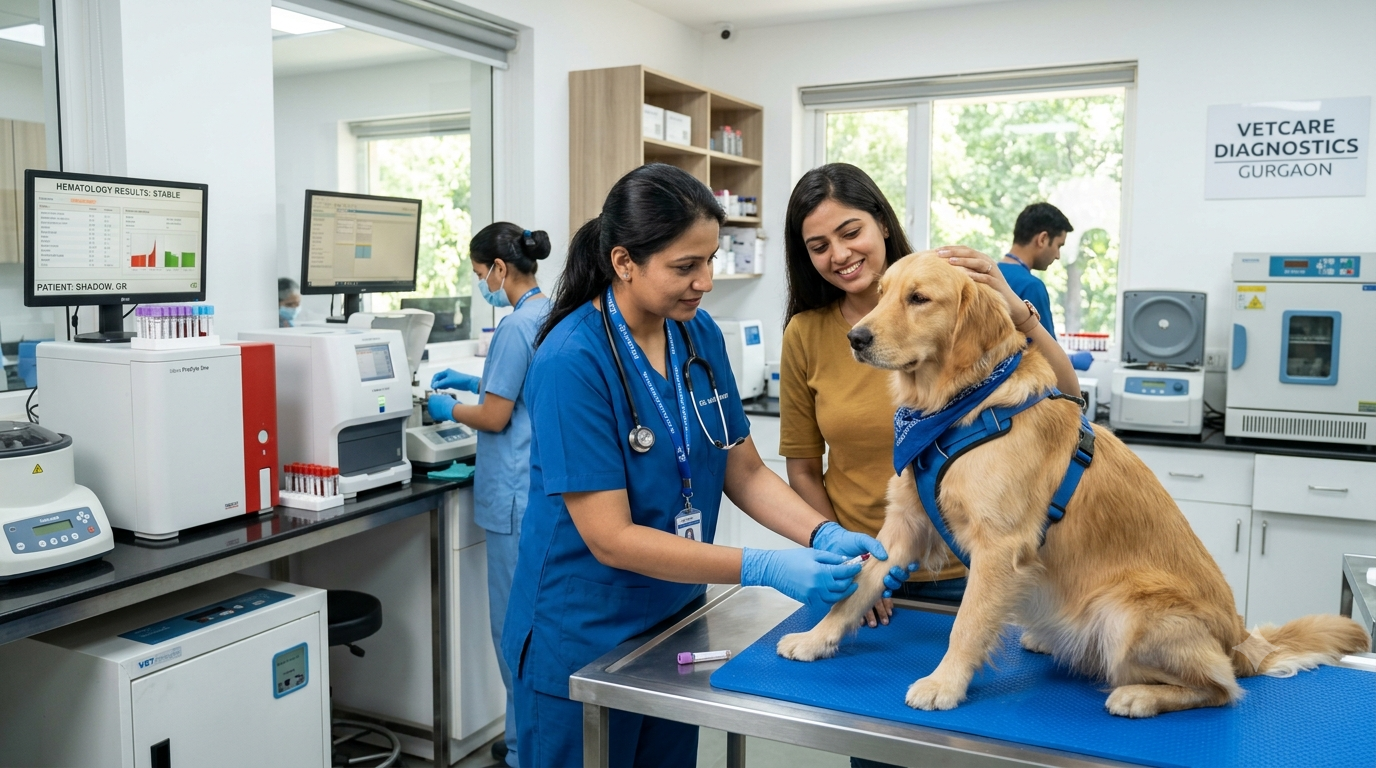
As a pet parent, ensuring your dog’s health is one of your biggest responsibilities. While regular vaccinations, nutritious food, and exercise help maintain overall well-being, they cannot reveal what is happening inside your dog’s body. Many serious illnesses such as kidney disease, liver disorders, diabetes, tick-borne infections, anaemia, and hormonal imbalances often develop silently before visible symptoms appear. This is where blood tests become an essential part of veterinary healthcare.
If your veterinarian has recommended a blood test for your dog, one of the first questions that may come to mind is, “How much does a dog blood test cost in Gurgaon?” The answer depends on several factors, including the type of blood test, the veterinary clinic, diagnostic laboratory, technology used, and whether additional investigations are required.
In Gurgaon, veterinary healthcare has advanced significantly over the past few years. Many clinics now offer in-house diagnostic laboratories, while others collaborate with specialized veterinary pathology labs to provide accurate and timely reports. From routine wellness screenings to advanced disease detection, blood testing has become an integral part of modern pet care.
This comprehensive 2026 guide explains everything you need to know about dog blood test costs in Gurgaon. Along with estimated prices, you’ll learn why blood tests are important, the different types available, what each test detects, factors affecting the overall cost, how the procedure works, and how to choose the right veterinary diagnostic facility for your pet.
Dog Blood Test Cost in Gurgaon (2026) – Quick Price Overview
Why Blood Tests Are Important for Dogs
Dogs cannot tell us when something feels wrong. In many cases, they continue eating, playing, and behaving normally even when an underlying medical condition is developing. Blood tests help veterinarians identify these hidden problems before they become severe.
Blood contains valuable information about your dog’s overall health. By analysing different blood components, veterinarians can assess how well vital organs are functioning, identify infections, detect inflammation, evaluate immune system activity, and monitor chronic diseases. Blood testing also plays a crucial role in preventive healthcare by identifying abnormalities before clinical symptoms appear.
Routine blood work is commonly recommended during annual health check-ups, before surgical procedures, when puppies begin vaccination schedules, during senior pet wellness examinations, and whenever a dog develops unexplained symptoms such as lethargy, vomiting, weight loss, excessive thirst, or loss of appetite.
Early diagnosis often results in simpler treatment, lower medical expenses, and significantly better long-term health outcomes.
| Disease | Can Blood Test Detect It? |
|---|---|
| Anaemia | ✔ |
| Diabetes | ✔ |
| Kidney Disease | ✔ |
| Liver Disease | ✔ |
| Tick Fever | ✔ |
| Thyroid Disorder | ✔ |
| Infection | ✔ |
| Dehydration | ✔ |
| Electrolyte Imbalance | ✔ |
| Immune Disorders | ✔ |
Dog Blood Test Cost in Gurgaon (2026)
The cost of blood tests varies depending on the type of investigation required. Basic screening tests are generally affordable, while comprehensive diagnostic panels involving multiple parameters naturally cost more.
A Complete Blood Count (CBC), one of the most frequently recommended investigations, generally costs between ₹500 and ₹900. Liver Function Tests usually range from ₹900 to ₹1,800, while Kidney Function Tests may cost anywhere between ₹800 and ₹1,600. Blood glucose testing is comparatively inexpensive and generally ranges from ₹250 to ₹600.
More specialised investigations such as thyroid profiles typically cost between ₹1,200 and ₹2,500. Tick fever panels, which help diagnose common vector-borne diseases affecting dogs, generally range from ₹1,500 to ₹3,500. Comprehensive wellness profiles that combine multiple blood investigations into a single package usually cost between ₹2,500 and ₹6,500 depending on the number of parameters included.
It is important to remember that these are approximate estimates. Actual pricing may differ depending on the clinic, laboratory equipment, emergency service requirements, and whether consultation charges are billed separately.
| Service | Estimated Cost |
|---|---|
| Vet Consultation | ₹500–1,500 |
| Blood Collection | ₹100–300 |
| CBC | ₹500–900 |
| CBC + LFT | ₹1,400–2,500 |
| CBC + LFT + KFT | ₹2,200–3,800 |
| Wellness Profile | ₹2,500–6,500 |
| Emergency Blood Test | ₹3,000–7,000 |
Why Blood Test Prices Vary Between Veterinary Clinics
Many pet owners notice that different veterinary hospitals quote different prices for similar blood tests. This variation is completely normal because several factors influence the final cost.
One of the biggest factors is the type of diagnostic equipment used by the clinic. Modern veterinary hospitals equipped with automated haematology and biochemistry analysers often provide faster and highly accurate results. Such facilities may charge slightly higher prices due to the investment in advanced technology.
Another important factor is whether testing is performed within the veterinary hospital or sent to an external veterinary pathology laboratory. In-house laboratories can usually provide reports much faster, especially during emergencies, while outsourced testing may involve additional laboratory processing charges.
The complexity of the investigation also affects pricing. A single blood glucose test requires relatively little laboratory processing compared to a comprehensive wellness profile that evaluates liver function, kidney function, blood cell counts, electrolyte balance, proteins, enzymes, and hormonal parameters simultaneously.
Emergency diagnostic services performed late at night, on weekends, or during public holidays may also include additional emergency charges.
Finally, veterinary consultation fees are generally separate from laboratory charges. Depending on the clinic and veterinarian’s experience, consultation fees in Gurgaon typically range between ₹500 and ₹1,500.

Common Types of Dog Blood Tests
Veterinarians recommend different blood investigations depending on your dog’s symptoms, medical history, age, and overall health condition.
The Complete Blood Count, commonly known as CBC, is usually the first investigation performed when a dog appears unwell. This test evaluates red blood cells, white blood cells, platelets, haemoglobin levels, and several other blood parameters. It helps diagnose anaemia, infections, inflammation, dehydration, immune disorders, and certain blood-related diseases.
Liver Function Tests assess the health of one of the body’s most important organs. The liver plays a crucial role in metabolism, detoxification, digestion, and nutrient storage. Abnormal liver enzyme levels can indicate infections, inflammation, liver disease, poisoning, or medication-related damage.
Kidney Function Tests evaluate how effectively the kidneys filter waste products from the bloodstream. Elevated creatinine and blood urea nitrogen levels often indicate declining kidney function. Since chronic kidney disease develops gradually, early blood testing allows treatment to begin before irreversible damage occurs.
Blood glucose testing is particularly important when diabetes mellitus is suspected. Dogs experiencing excessive thirst, frequent urination, weight loss despite eating normally, or unexplained weakness often require glucose evaluation. Regular blood sugar monitoring is also essential for diabetic dogs receiving insulin therapy.
Thyroid function testing helps diagnose hypothyroidism, one of the most common hormonal disorders affecting middle-aged and senior dogs. Symptoms may include unexplained weight gain, hair loss, dry skin, lethargy, and reduced activity levels.
Tick fever panels have become increasingly important for dogs living in urban environments like Gurgaon. Tick-borne diseases such as Ehrlichiosis, Babesiosis, and Anaplasmosis can cause fever, weakness, bleeding disorders, joint pain, and severe anaemia. Prompt blood testing enables early diagnosis and timely treatment.
Blood Tests Recommended for Puppies
Many new pet owners assume blood tests are only necessary when a dog becomes sick. In reality, puppies may also benefit from diagnostic screening, especially if they have been rescued, adopted from unknown backgrounds, or show signs of poor health.
Veterinarians may recommend blood testing before vaccination schedules begin if the puppy appears weak or underweight. Blood investigations can detect congenital disorders, infections, nutritional deficiencies, parasite-related anaemia, and immune system abnormalities that may affect growth and development.
Healthy puppies generally recover faster from illnesses when underlying conditions are identified early through laboratory testing.
Blood Tests for Adult Dogs
Adult dogs often undergo blood investigations during annual wellness examinations. Even if they appear perfectly healthy, routine screening can identify hidden diseases before symptoms become noticeable.
Many veterinary professionals recommend annual blood work for adult dogs because early diagnosis significantly improves treatment success. Monitoring organ function every year also provides valuable baseline information that can be compared during future health assessments.
Adult dogs receiving long-term medications for arthritis, epilepsy, skin disorders, or heart disease may require periodic blood testing to ensure medications are not affecting liver or kidney function
Blood Tests for Senior Dogs
As dogs grow older, the risk of developing chronic health conditions increases significantly. Many diseases associated with ageing, including kidney disease, liver disorders, diabetes, hormonal imbalances, heart disease, and certain cancers, may not produce obvious symptoms during their early stages. This is why veterinarians recommend routine blood screening for senior dogs, generally from seven years of age onwards.
Annual or biannual blood tests allow veterinarians to monitor changes in organ function before clinical signs become severe. Detecting a problem early often means treatment can begin sooner, improving both quality of life and long-term prognosis. Senior wellness screening is one of the most effective preventive healthcare measures a pet owner can invest in.
Signs Your Dog May Need a Blood Test
Blood tests are not only performed during annual check-ups. Veterinarians also recommend them whenever a dog develops unexplained symptoms that could indicate an underlying medical condition.
If your dog suddenly loses its appetite, becomes unusually tired, drinks excessive amounts of water, urinates more frequently, loses weight without any dietary changes, vomits repeatedly, develops persistent diarrhoea, or experiences unexplained fever, a blood test is often one of the first diagnostic steps.
Similarly, pale gums, yellow discoloration of the eyes or skin, difficulty breathing, seizures, persistent skin infections, excessive hair loss, or prolonged recovery after illness may also indicate the need for laboratory investigations.
Rather than treating symptoms alone, blood tests help identify the actual cause of illness, allowing veterinarians to develop an accurate treatment plan.
| Symptom | Urgency |
|---|---|
| Vomiting | High |
| Blood in Urine | High |
| Continuous Fever | High |
| Collapse | Emergency |
| Pale Gums | Emergency |
| Loss of Appetite | Moderate |
| Weight Loss | Moderate |
| Excessive Drinking | Moderate |
| Difficulty Breathing | Emergency |
How Is a Dog Blood Test Performed?
Many pet owners worry that blood sample collection may be painful or stressful for their dog. Fortunately, the procedure is quick, safe, and usually completed within a few minutes.
A veterinarian or trained veterinary technician first performs a physical examination to determine which investigations are required. Depending on the tests recommended, a small amount of blood is collected from a vein, most commonly located in the front leg or neck.
The collection process usually causes only minimal discomfort, similar to a routine vaccination. Most dogs tolerate the procedure well without sedation. However, nervous or aggressive pets may occasionally require gentle restraint to ensure both the animal and veterinary staff remain safe.
Once the sample has been collected, it is processed either in the clinic’s in-house laboratory or sent to a specialised veterinary diagnostic laboratory for detailed analysis.
Does My Dog Need to Fast Before a Blood Test?
Not every blood test requires fasting, but certain investigations produce more accurate results when the dog has not eaten for several hours.
Tests evaluating blood glucose, cholesterol, triglycerides, and some biochemical parameters may require fasting for eight to twelve hours. Water is generally allowed unless the veterinarian advises otherwise.
Emergency blood testing, however, is performed immediately regardless of whether the dog has eaten, since prompt diagnosis is often more important than fasting requirements.
Always follow your veterinarian’s instructions before bringing your dog for diagnostic testing.
How Long Does It Take to Receive Blood Test Reports?
The reporting time depends on the type of investigation and the laboratory performing the analysis.
Basic investigations such as Complete Blood Count or routine biochemistry are often completed within one to three hours if the clinic has an in-house laboratory.
More specialised tests, including hormone profiles, infectious disease panels, allergy testing, or advanced pathology investigations, may require one to three working days.
Emergency veterinary hospitals generally prioritise urgent blood tests, allowing veterinarians to begin treatment as quickly as possible.
Understanding Your Dog’s Blood Test Report
Receiving a blood test report filled with unfamiliar medical terminology can be overwhelming for many pet owners. However, interpreting these values requires professional expertise, as individual test results must always be evaluated together with your dog’s medical history, symptoms, physical examination findings, and overall health.
For example, elevated white blood cell counts may suggest infection or inflammation, while reduced red blood cell levels could indicate anaemia. Increased liver enzymes may point toward liver disease, medication effects, or toxin exposure, whereas abnormal kidney values may suggest dehydration or chronic kidney disease.
Rather than focusing on individual numbers, veterinarians assess the complete clinical picture before making a diagnosis. In some cases, additional imaging studies such as ultrasound or X-rays may also be recommended to confirm findings.
In-House Laboratory vs External Veterinary Laboratory
Many veterinary hospitals in Gurgaon now offer advanced in-house diagnostic laboratories capable of processing routine blood tests within a short time. These facilities are particularly valuable during emergencies, where rapid diagnosis can significantly improve treatment outcomes.
Other clinics partner with specialised veterinary pathology laboratories that perform more advanced investigations using sophisticated equipment. Although outsourced testing may take longer, it often allows access to highly specialised diagnostic services that may not be available within individual clinics.
Both options have their advantages, and veterinarians generally recommend the most appropriate laboratory based on the complexity of the investigation required.

Can Blood Tests Detect Serious Diseases Early?
One of the greatest benefits of routine blood screening is its ability to identify diseases before visible symptoms develop.
Blood tests frequently detect kidney disease, liver disorders, diabetes, hormonal imbalances, infections, inflammatory conditions, blood parasites, anaemia, electrolyte disturbances, and certain immune-mediated diseases during their earliest stages.
In many cases, dogs appear completely healthy despite underlying abnormalities. Early diagnosis allows treatment to begin before irreversible organ damage occurs, improving both survival rates and long-term quality of life.
Home Blood Sample Collection in Gurgaon
Several veterinary clinics now offer home blood sample collection services for pets that experience anxiety during travel or owners who are unable to visit the clinic.
During a home visit, a veterinarian or trained technician collects the blood sample using sterile equipment before transporting it safely to the diagnostic laboratory. Reports are generally shared digitally, and veterinarians discuss the results during a follow-up consultation.
Home collection services are particularly useful for senior dogs, recovering surgical patients, pets with mobility problems, and households managing multiple animals.
Preventive Health Screening Packages
Rather than ordering individual tests separately, many veterinarians recommend comprehensive preventive health packages that evaluate multiple aspects of your dog’s health in a single visit.
These packages often include a Complete Blood Count, liver function assessment, kidney function evaluation, blood glucose measurement, electrolyte analysis, protein levels, and other important biochemical markers.
Preventive screening helps establish a baseline for your dog’s health, making it easier to detect subtle changes during future examinations. It is especially beneficial for senior dogs and breeds predisposed to hereditary health conditions.
How to Choose the Right Veterinary Diagnostic Centre in Gurgaon
Choosing the right veterinary diagnostic facility is just as important as selecting the appropriate blood test. While cost is an important consideration, it should never be the only deciding factor.
Look for a veterinary clinic with experienced veterinarians who recommend investigations based on your dog’s symptoms rather than unnecessary testing. Modern diagnostic equipment, proper sample handling procedures, transparent pricing, and clear communication of results are all indicators of a reliable facility.
It is also helpful to choose a clinic that offers both routine and emergency diagnostic services, ensuring continuity of care if your dog requires urgent treatment in the future.
Reading genuine patient reviews, discussing turnaround times, and understanding whether testing is performed in-house or through a specialised laboratory can help you make an informed decision.

Is a Dog Blood Test Worth the Cost?
Many pet owners hesitate when they hear that diagnostic testing may cost a few thousand rupees. However, blood tests often save money in the long run by preventing delayed diagnosis and avoiding unnecessary treatments.
Instead of relying solely on symptoms, veterinarians use blood test results to identify the exact medical condition affecting your dog. This leads to more targeted treatment, faster recovery, fewer complications, and reduced overall healthcare expenses.
Considering the valuable information they provide, blood tests are one of the most worthwhile investments in your dog’s long-term health.
Final Thoughts
Blood testing has become an essential part of modern veterinary medicine, helping diagnose illnesses early, monitor ongoing treatment, and assess overall health throughout every stage of a dog’s life. Whether your pet requires a routine wellness examination, pre-surgical evaluation, emergency investigation, or monitoring for a chronic condition, timely blood testing provides valuable insights that cannot be obtained through physical examination alone.
While the dog blood test cost in Gurgaon varies depending on the type of investigation and veterinary facility, prioritising quality diagnostics over the lowest price is often the best decision. Accurate laboratory testing, experienced veterinary interpretation, and timely treatment can make a significant difference in your dog’s health and quality of life.
Regular preventive health check-ups, combined with appropriate diagnostic testing whenever recommended, allow pet owners to detect health problems early and provide their dogs with the best possible care for years to come.