Bringing home a puppy is one of the happiest moments in a pet lover’s life. From wagging tails and playful antics to unconditional love and companionship, a puppy quickly becomes an important member of the family. However, raising a puppy also comes with significant responsibilities. New dog owners often have many questions about feeding, vaccinations, training, grooming, healthcare, and creating a safe environment for their new companion. The first year of a puppy’s life is especially important because it lays the foundation for lifelong health, behavior, and happiness.
Whether you have adopted an Indian Pariah puppy or purchased a Labrador Retriever, Golden Retriever, Beagle, German Shepherd, Shih Tzu, or any other breed, proper care during the early months helps your puppy grow into a confident, healthy, and well-behaved adult dog. Puppies require consistent attention, balanced nutrition, preventive healthcare, socialization, and patient training. Every positive experience during puppyhood contributes to their physical and emotional development.
This Complete Puppy Care Guide for New Dog Owners covers everything you need to know about raising a healthy puppy, from preparing your home before arrival to feeding, training, healthcare, grooming, and building a lifelong bond with your furry friend.
Preparing Your Home Before Bringing Your Puppy Home
The days before your puppy arrives are the perfect time to prepare your home. Puppies are naturally curious and love exploring their surroundings, but they are also unaware of potential dangers. Creating a safe environment helps prevent accidents and allows your puppy to settle comfortably into its new home.
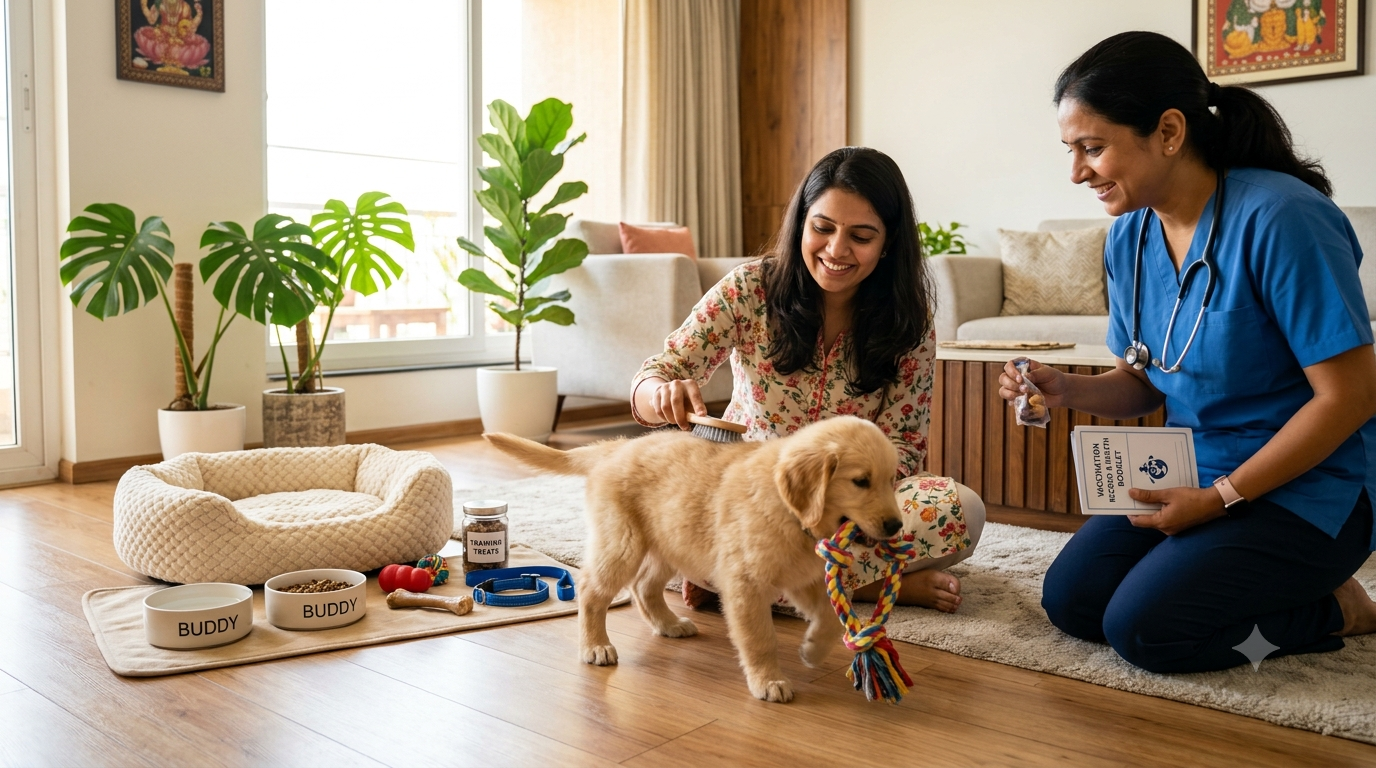
Start by choosing a quiet area where your puppy can rest without constant disturbances. A comfortable bed, clean water bowl, food bowl, chew toys, and soft blankets help your puppy feel secure during the transition. Electrical wires, cleaning products, medicines, sharp objects, and small household items that can be swallowed should be kept out of reach.
If you have a garden or balcony, ensure the area is securely fenced. Puppies can squeeze through surprisingly small gaps, making supervision essential during the first few weeks. Preparing your home in advance reduces stress for both you and your new pet.
1. The First Day at Home
The first day is often overwhelming for a young puppy. Everything is new, including the people, smells, sounds, and surroundings. Some puppies immediately begin exploring, while others may appear shy or nervous. Both reactions are perfectly normal.
Allow your puppy to explore the house gradually instead of giving unrestricted access to every room. Introduce family members calmly and avoid overwhelming your puppy with excessive excitement or too many visitors.
During the first night, your puppy may cry because it has been separated from its mother and littermates. Keeping the sleeping area close to family members often provides reassurance. Maintaining a calm and predictable routine helps puppies adjust more quickly to their new environment.
2. Choosing the Right Food for Your Puppy
Proper nutrition is one of the most important aspects of puppy care. Growing puppies require high-quality food that provides the right balance of protein, healthy fats, vitamins, minerals, and essential nutrients.
Choose a premium puppy food specifically formulated for your puppy’s age, breed size, and nutritional needs. Large-breed puppies often require specially balanced diets that support healthy bone and joint development, while small breeds may need food with higher energy density.
Avoid feeding table scraps or spicy human foods, as many ingredients commonly consumed by people can upset a puppy’s digestive system or even be toxic. Fresh drinking water should always be available throughout the day.
If you decide to change your puppy’s food, introduce the new diet gradually over several days to avoid digestive problems.
3. How Often Should You Feed Your Puppy?
Young puppies have small stomachs but high energy requirements, so they need frequent meals throughout the day. Most puppies between eight and twelve weeks of age benefit from four small meals daily. As they grow older, meal frequency gradually decreases.
By the age of four to six months, many puppies transition to three meals a day. Around six to twelve months, most breeds can comfortably eat two balanced meals daily, although giant breeds may follow slightly different feeding recommendations based on veterinary advice.
Following a consistent feeding schedule not only supports healthy digestion but also helps establish a daily routine that makes house training easier.
4. Puppy Vaccination Schedule
Vaccination is one of the most important investments you can make in your puppy’s health. Puppies are vulnerable to several serious diseases during their first few months because the temporary immunity received from their mother’s milk gradually decreases.
Most veterinarians recommend beginning vaccinations when puppies are approximately six to eight weeks old. Core vaccines protect against dangerous diseases such as canine parvovirus, distemper, hepatitis, parainfluenza, leptospirosis, and rabies.
Booster vaccinations are equally important because they strengthen immunity during the puppy’s early development. Missing scheduled vaccinations can leave your puppy susceptible to preventable illnesses. Always follow the vaccination schedule recommended by your veterinarian and keep a record of every vaccine administered.
5. Deworming and Parasite Prevention
Internal parasites are extremely common in young puppies. Worms can affect growth, digestion, appetite, and overall health if left untreated.
Most veterinarians recommend regular deworming beginning at an early age and continuing according to a scheduled program during the first year. Fleas and ticks should also be prevented through veterinarian-approved products because they can transmit serious diseases and cause skin irritation.
Routine parasite control plays an essential role in maintaining your puppy’s long-term health and comfort.
6. Finding a Trusted Veterinarian
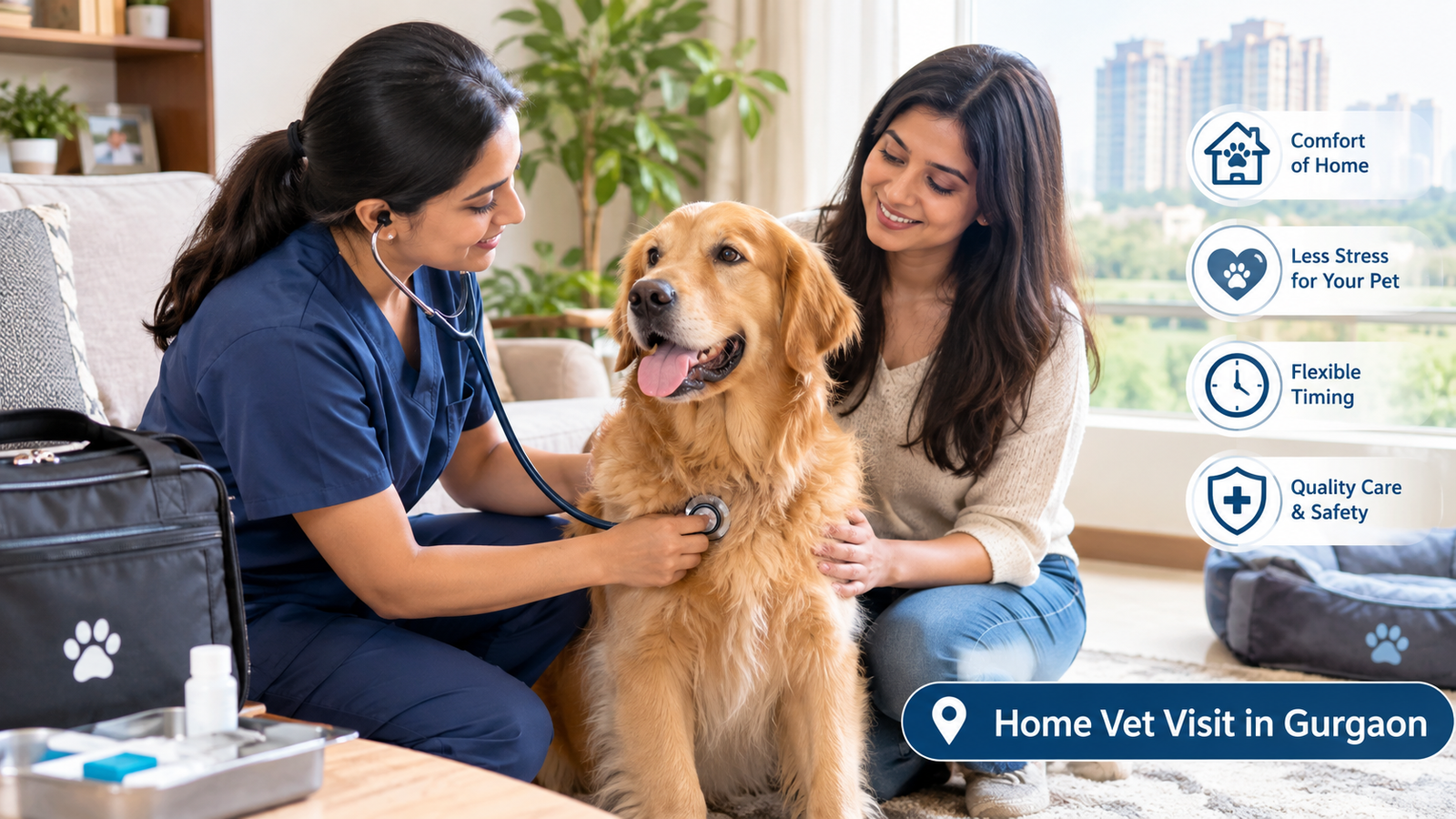
Every puppy should have a trusted veterinarian from the beginning. Your veterinarian becomes your partner in monitoring growth, providing vaccinations, diagnosing illnesses, recommending nutrition, and answering questions about your puppy’s development.
Schedule a complete health examination soon after bringing your puppy home. During this visit, the veterinarian will assess your puppy’s overall health, discuss preventive healthcare, explain vaccination schedules, and advise you on nutrition, deworming, grooming, and future medical care.
Building a long-term relationship with an experienced veterinarian ensures continuity of healthcare throughout your dog’s life.
7. House Training Your Puppy
House training is often one of the first challenges new dog owners face. Fortunately, puppies learn quickly when training is consistent and positive.
Take your puppy to the designated toilet area immediately after waking up, after meals, after play sessions, and before bedtime. Praise and reward successful toilet behavior immediately so your puppy associates the location with positive experiences.
Accidents will happen during the learning process. Avoid punishment, as it may create fear and confusion. Instead, remain patient and continue reinforcing good habits with consistency.
Most puppies become reliably house trained with time, routine, and positive reinforcement.
8. Socialization During Early Puppyhood
Socialization is one of the most important parts of raising a confident and friendly adult dog. Puppies should gradually experience different people, sounds, environments, and situations in a safe and controlled manner.
Positive exposure during the first few months helps reduce fear and anxiety later in life. Once your veterinarian confirms it is safe after vaccinations, introduce your puppy to friendly people, calm dogs, different surfaces, household noises, and short car rides.
Good socialization teaches puppies to adapt comfortably to new experiences and reduces the likelihood of behavioral problems as they mature.
9. Basic Training Should Start Early
Many people believe training begins when a dog becomes older, but puppies start learning from the moment they arrive home.
Simple commands such as “Sit,” “Stay,” “Come,” and “Leave It” can be introduced using treats, praise, and encouragement. Short training sessions of five to ten minutes help maintain your puppy’s attention while making learning enjoyable.
Positive reinforcement remains the most effective training method because it strengthens trust between owner and puppy while encouraging desirable behavior.
Avoid harsh punishment or physical corrections, as they can damage confidence and slow the learning process.
10. Exercise and Playtime
Puppies have plenty of energy, but their growing bones and joints also require protection. Moderate play sessions and short walks appropriate for your puppy’s age help develop strong muscles while preventing excessive strain.
Interactive games, puzzle toys, and supervised play stimulate both physical and mental development. Every breed has different exercise needs, so consult your veterinarian regarding appropriate activity levels.
Regular playtime also strengthens the bond between you and your puppy while reducing boredom and unwanted behaviors.
11. Grooming Your Puppy
Grooming is much more than keeping your puppy looking clean and attractive. It is an essential part of maintaining overall health and preventing skin problems, infections, and discomfort. Starting a grooming routine early helps your puppy become comfortable with being handled, making future grooming sessions much easier.
The frequency of grooming depends on your puppy’s breed and coat type. Short-haired breeds usually require brushing once or twice a week to remove loose hair and keep the coat healthy. Long-haired breeds need more frequent brushing to prevent tangles and matting.
Bathing should only be done when necessary using a veterinarian-approved puppy shampoo. Human shampoos should never be used because they can irritate a puppy’s sensitive skin. After every bath, dry your puppy thoroughly, especially during cooler weather.
Regular ear cleaning, nail trimming, and dental care are equally important. Checking your puppy’s ears for dirt, trimming nails before they become too long, and introducing tooth brushing at an early age all contribute to better long-term health.
12. Understanding Puppy Teething
Puppies begin teething when they are around three to four months old. During this stage, they naturally chew on objects to relieve discomfort as their adult teeth begin replacing their baby teeth.
Chewing is a normal part of development, but without appropriate toys, puppies may chew shoes, furniture, electrical cables, or household items.
Providing safe chew toys designed specifically for puppies helps satisfy this natural instinct while protecting your belongings. If your puppy attempts to chew inappropriate objects, calmly redirect its attention to an approved chew toy.
Avoid giving bones or objects that can splinter or break into small pieces, as these may cause choking or digestive injuries.
How Much Sleep Does a Puppy Need?
Many first-time owners are surprised by how much puppies sleep. Growing puppies generally need between 16 and 20 hours of sleep each day depending on their age and activity level.
Adequate rest is essential because much of a puppy’s physical growth and brain development occurs during sleep. Puppies should have a quiet, comfortable sleeping area where they can rest without constant disturbances.
Although playtime and exercise are important, avoid waking a sleeping puppy unnecessarily. A well-rested puppy is usually calmer, learns more effectively, and develops healthier behavior.
Understanding Your Puppy’s Behavior
Puppies communicate through body language, facial expressions, and vocalizations. Learning to understand these signals helps strengthen the relationship between you and your pet.
A wagging tail often indicates happiness, although body posture and facial expressions should also be considered. Relaxed ears, soft eyes, and a playful stance usually suggest comfort and confidence.
Fearful puppies may tuck their tails, avoid eye contact, or hide. Recognizing these signs allows owners to provide reassurance without forcing uncomfortable interactions.
Patience and gentle handling help puppies build trust while encouraging positive emotional development.
Common Health Problems in Puppies
Although puppies are generally energetic, they can sometimes develop health problems that require prompt veterinary attention.
Digestive upset, vomiting, diarrhea, coughing, skin infections, ear infections, parasites, and minor injuries are among the more common concerns seen during puppyhood. Changes in appetite, unusual tiredness, difficulty breathing, persistent vomiting, or bloody diarrhea should never be ignored.
Regular veterinary examinations allow early detection of health issues before they become serious. Prompt treatment usually results in faster recovery and reduces the risk of complications.
Protecting Your Puppy from Household Hazards
Your home contains many everyday items that can be dangerous for curious puppies.
Household cleaning products, medicines, insecticides, electrical cords, sharp objects, batteries, chocolate, onions, grapes, raisins, xylitol-containing foods, and certain houseplants should always remain out of your puppy’s reach.
Garbage bins should be securely covered because puppies often explore them out of curiosity. Small children’s toys, coins, and plastic objects can also become choking hazards.
Creating a puppy-safe environment greatly reduces the risk of preventable accidents.
Introducing Your Puppy to Other Pets
If you already have pets at home, introductions should be calm and gradual.
Allow initial meetings in a controlled environment while supervising all interactions. Avoid forcing immediate contact if either animal appears nervous. Positive experiences during early introductions help establish healthy relationships between pets.
Some puppies adjust within a few days, while others require several weeks to become comfortable. Patience is essential throughout this process.
Traveling with Your Puppy
Many families enjoy taking their dogs on trips, but young puppies require careful planning before traveling.
Use a secure travel crate or pet seat belt while driving. Carry sufficient drinking water, food, cleaning supplies, waste bags, medications if prescribed, and your puppy’s vaccination records.
Frequent breaks during longer journeys allow puppies to stretch, drink water, and relieve themselves. Never leave your puppy alone inside a parked vehicle, especially during warm weather, as temperatures can rise rapidly and become life-threatening.
Gradual exposure to short car rides during puppyhood also helps reduce travel anxiety later in life.
Building a Strong Bond with Your Puppy
A strong relationship does not develop overnight. It grows through daily care, consistency, trust, and positive interactions.
Spend quality time playing, training, walking, and simply relaxing with your puppy. Speak calmly, reward good behavior, and avoid frightening or punishing your pet.
Dogs thrive on routine and companionship. The more positive experiences your puppy shares with you, the stronger your lifelong bond will become.
Trust built during puppyhood often lasts throughout your dog’s life.
The Importance of Mental Stimulation
Physical exercise alone is not enough to raise a healthy and happy dog. Puppies also require mental stimulation to prevent boredom and encourage healthy brain development.
Interactive toys, puzzle feeders, simple obedience exercises, scent games, and learning new commands all help challenge your puppy’s mind.
Mental enrichment reduces destructive behaviors such as excessive chewing, barking, and digging while increasing confidence and problem-solving ability.
Short daily training sessions are often just as tiring as physical exercise.
Common Mistakes New Dog Owners Should Avoid
Many first-time owners unintentionally make mistakes during the early months.
Skipping vaccinations or delaying veterinary visits can expose puppies to preventable diseases. Overfeeding may contribute to unhealthy weight gain, while underfeeding can affect proper growth.
Inconsistent training often confuses puppies and slows learning. Allowing unwanted behaviors during puppyhood, such as jumping on people or biting during play, may lead to more serious behavioral problems later.
Some owners also socialize puppies too early before completing vaccinations or fail to expose them to new experiences during the critical socialization period. Finding the right balance with guidance from your veterinarian is essential.
Perhaps the biggest mistake is expecting immediate perfection. Puppies need time, patience, and consistent guidance to learn household rules.
Creating a Daily Routine
Dogs thrive on predictable routines.
Feeding, walks, toilet breaks, playtime, training sessions, and bedtime should occur at approximately the same times each day. Consistency helps puppies understand expectations while making house training and behavior management much easier.
A structured daily routine also reduces anxiety because puppies quickly learn what to expect throughout the day.
Growing Into Adulthood
The first year passes surprisingly quickly. During this period, your puppy will experience rapid physical growth, behavioral changes, and increasing independence.
Regular veterinary check-ups allow you to monitor healthy development and discuss important topics such as nutrition, neutering or spaying, dental care, exercise, and transitioning to adult food.
Every stage of growth presents new learning opportunities, and continued training throughout adolescence helps shape a well-mannered adult companion.
Frequently Asked Questions (FAQs)
Q1. What should I do on my puppy’s first day at home?
Ans: Give your puppy a quiet space, fresh water, nutritious food, and time to adjust gradually without overwhelming it.
Q2. When should I start training my puppy?
Ans: Training can begin as soon as your puppy comes home using simple commands and positive reinforcement.
Q3. How often should I take my puppy to the veterinarian?
Ans: Puppies should visit the veterinarian regularly for vaccinations, deworming, health check-ups, and growth monitoring during their first year.
Q4. How much sleep does a puppy need?
Ans: Most puppies need around 16 to 20 hours of sleep each day to support healthy growth and development.
Q5. What is the most important part of puppy care?
Ans: Proper nutrition, timely vaccinations, regular veterinary care, early socialization, consistent training, and plenty of love are the foundations of raising a healthy and happy puppy.
Conclusion
Raising a puppy is a rewarding journey filled with unforgettable moments, valuable lessons, and unconditional love. While the early months require patience, consistency, and dedication, the effort you invest during puppyhood has a lasting impact on your dog’s health, behavior, and overall quality of life.
Providing balanced nutrition, timely vaccinations, regular veterinary care, proper grooming, early socialization, positive reinforcement training, mental stimulation, and a safe environment gives your puppy the best possible start. Remember that every puppy learns at its own pace, and building trust takes time.
As a responsible pet parent, your love, care, and commitment will help your puppy grow into a confident, healthy, and loyal companion who will remain by your side for many happy years. The journey may include challenges, but the lifelong bond you create with your dog makes every moment worthwhile.