Your dog keeps scratching throughout the day. Your cat suddenly develops bald patches. Your pet’s ears smell unusual, or you notice red patches, scabs, or recurring skin infections that never seem to completely disappear.
Many pet owners initially assume these problems are caused by poor hygiene, seasonal changes, or fleas. Sometimes that may be true, but persistent skin problems are often signs of deeper issues that require professional veterinary attention.
Skin diseases are among the most common reasons dogs and cats visit veterinary hospitals. Conditions such as allergies, fungal infections, bacterial infections, parasites, hormonal disorders, autoimmune diseases, and nutritional deficiencies can all affect your pet’s skin and coat.
The challenge is that many skin problems look similar. A dog scratching constantly may have an allergy, a fungal infection, a parasite problem, or a bacterial infection. Treating only the visible symptoms without finding the actual cause often leads to repeated flare-ups.
This is where a veterinary dermatologist can help.
Pet dermatologists specialize in diagnosing and treating complex skin, ear, coat, and nail disorders in animals. With advanced diagnostic methods such as skin scrapings, fungal testing, allergy evaluation, cytology, biopsies, and laboratory investigations, they identify the underlying problem and create a treatment plan based on your pet’s specific condition.
Gurgaon has several multi-specialty veterinary hospitals and experienced veterinarians offering dermatology services for dogs and cats. These facilities provide everything from routine skin infection treatment to advanced management of chronic allergies and complicated dermatological disorders.
This guide explains when your pet needs a dermatologist, common skin conditions, diagnosis methods, treatment options, consultation costs, and how to choose the right veterinary skin specialist in Gurgaon.

What Is a Veterinary Dermatologist?
A veterinary dermatologist is a veterinarian who specializes in diagnosing and treating diseases affecting the skin, ears, coat, and nails of animals.
While general veterinarians can manage many common skin issues, dermatology cases often require specialized knowledge because the same symptoms can have multiple causes.
For example, constant itching in a dog may be caused by environmental allergies, food sensitivity, flea allergy dermatitis, yeast overgrowth, bacterial infection, or parasites. Without proper testing, it can be difficult to identify the exact trigger.
A veterinary dermatologist focuses on finding the reason behind the problem instead of only providing temporary relief.

Common areas managed by veterinary dermatologists include:
- Chronic itching and allergies
- Hair loss and coat problems
- Bacterial and fungal infections
- Ear infections
- Parasite-related skin diseases
- Autoimmune skin disorders
- Skin growths and unusual lesions
- Nail and paw-related conditions
The goal of veterinary dermatology is not only to improve the appearance of your pet’s skin but also to reduce discomfort and prevent recurring problems.
When Should You Visit a Pet Dermatologist in Gurgaon?
Skin problems often develop slowly, and many pet owners wait too long before seeking specialist advice.
Occasional scratching may not always be concerning, but certain symptoms indicate that your pet needs professional evaluation.
If your dog or cat is constantly scratching, licking paws excessively, chewing its skin, or rubbing its face against furniture, it may indicate an underlying dermatological problem.
Hair loss is another common warning sign. Small patches of missing fur may appear harmless initially, but unexplained bald areas can be linked to allergies, fungal infections, hormonal issues, or immune-related conditions.
Recurring ear infections should also not be ignored. Many pets repeatedly receive ear drops without addressing the underlying cause. Chronic ear problems are often connected to allergies or deeper skin conditions.

Early diagnosis can prevent minor skin issues from becoming chronic conditions that require long-term management.
Pet Dermatologist Consultation Cost in Gurgaon
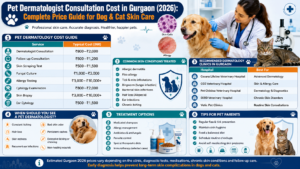
The cost of veterinary dermatology treatment in Gurgaon depends on several factors, including the complexity of the condition, diagnostic requirements, treatment duration, and the hospital or veterinarian consulted.
A general veterinary dermatology consultation may usually range between ₹500 and ₹1,500. However, specialist consultations, advanced diagnostic tests, and long-term treatment plans may increase the overall expense.
Additional costs may include:
- Skin scraping tests
- Fungal testing
- Ear cytology
- Blood investigations
- Allergy evaluation
- Skin biopsy
- Prescription medication
- Follow-up consultations
Chronic skin conditions often require multiple visits because improvement needs to be monitored over time.
Although diagnostic testing may increase the initial cost, it helps avoid repeated unsuccessful treatments and identifies the correct cause of the problem.
Best Pet Dermatologists and Veterinary Hospitals in Gurgaon
Gurgaon has developed into an important veterinary healthcare destination, with several multi-specialty hospitals offering dermatology services for dogs and cats.
When choosing a veterinary skin specialist, pet owners should consider not only the doctor’s experience but also the availability of diagnostic facilities, laboratory support, emergency care, and follow-up treatment.

1. CGS Veterinary Hospital
CGS Veterinary Hospital is one of the recognized veterinary healthcare facilities in Gurgaon providing multi-specialty pet care services, including dermatology-related treatment.
The hospital manages various skin conditions affecting dogs and cats, including allergies, infections, chronic itching, ear problems, and complicated dermatological cases.
With diagnostic facilities and specialist veterinary support, CGS Hospital focuses on identifying the underlying cause of skin problems rather than only managing symptoms.
The hospital also provides other veterinary services, allowing pets with multiple health concerns to receive comprehensive care under one roof.
2. SKRD Multi-speciality Veterinary Hospital
SKRD Multi-speciality Veterinary Hospital provides advanced veterinary care for various pet health conditions, including skin disorders, allergies, and ear-related problems.
The hospital offers diagnostic support, medical treatment, surgical care, and other veterinary services required for complete pet healthcare.
For pets suffering from recurring dermatological issues, access to diagnostics and experienced veterinarians can help create a more effective treatment approach.
3. Santosh Pet Clinic
Santosh Pet Clinic in Sector 46, Gurgaon, provides veterinary services including dermatology care for pets.
The clinic manages common skin problems such as allergies, infections, itching, and other coat-related issues.
Along with dermatology services, the clinic also provides general veterinary care, making it suitable for routine and ongoing pet health requirements.
Other Veterinary Clinics and Doctors in Gurgaon
Several veterinarians across Gurgaon also treat dermatological conditions as part of their general veterinary practice.
Doctors listed on veterinary platforms such as Practo manage common skin concerns including allergies, infections, parasite-related conditions, and ear problems.
For complex or recurring skin conditions, pet owners should look for veterinarians who offer diagnostic testing and long-term management plans.
How to Choose the Right Veterinary Dermatologist in Gurgaon
Finding the right specialist can make a major difference, especially when your pet has a chronic skin problem.
A good veterinary dermatologist should focus on diagnosis instead of repeatedly treating symptoms.

Before selecting a clinic or hospital, consider the following factors:
1. Experience With Dermatology Cases
Skin conditions can be complicated. A veterinarian who regularly handles dermatology cases may have better experience identifying difficult conditions.
2. Availability of Diagnostic Facilities
A clinic with access to skin testing, laboratory support, and microscopic examination can provide more accurate treatment decisions.
3. Complete Treatment Approach
The best care does not end after medication is prescribed.
Many dermatological problems require follow-up visits, lifestyle adjustments, diet changes, and preventive care.
4. Communication and Transparency
A good veterinarian should explain:
- What is causing the problem
- Which tests are required
- Available treatment options
- Expected recovery timeline
- Long-term prevention strategies
Clear communication helps pet owners make better healthcare decisions.
Common Skin Problems Treated by Veterinary Dermatologists in Gurgaon

Veterinary dermatologists treat a wide range of skin conditions affecting both dogs and cats.
1. Allergic Dermatitis in Dogs and Cats
Allergies are among the most common causes of chronic itching in pets.
Dogs may develop environmental allergies due to pollen, dust mites, grasses, or other allergens. Some pets also develop food allergies triggered by specific ingredients in their diet.
Allergic dermatitis usually causes symptoms such as itching, redness, paw licking, ear infections, and recurring skin infections.
Treatment focuses on managing the allergy rather than simply stopping the itching temporarily. Depending on the cause, veterinarians may recommend allergy management plans, dietary changes, medication, supplements, or long-term monitoring.
2. Flea Allergy Dermatitis
Some pets are extremely sensitive to flea saliva. Even a small number of flea bites can cause intense itching and skin irritation.
Many owners do not notice fleas because pets may groom themselves frequently. However, flea allergy dermatitis can continue even after the visible parasites disappear.
Proper flea prevention and veterinary-guided treatment are essential for controlling this condition.
3. Fungal Infections and Ringworm
Fungal infections, including ringworm, are common in dogs and cats.
Symptoms may include circular patches of hair loss, redness, scaling, and irritation. Some fungal infections can also spread between animals and humans, making early diagnosis important.
Veterinarians may recommend fungal testing before starting treatment because several skin conditions can appear similar.
4. Bacterial Skin Infections (Pyoderma)
Bacterial infections often develop when the skin barrier becomes damaged due to allergies, scratching, or other underlying problems.
Symptoms may include pustules, redness, crusts, wounds, and unpleasant odor.
Treating the infection alone may not be enough. A veterinarian usually investigates why the infection occurred in the first place to prevent recurrence.
5. Mange and Parasite-Related Skin Diseases
Mange occurs due to mites affecting the skin.
Conditions such as demodicosis and sarcoptic mange can cause severe itching, hair loss, inflammation, and discomfort.
Diagnosis usually requires microscopic examination of skin samples because symptoms can overlap with other diseases.
6. Yeast Infections
Yeast dermatitis commonly affects areas such as paws, ears, and skin folds.
Pets may develop a greasy coat, unpleasant odor, redness, and persistent itching.
Treatment usually involves controlling yeast overgrowth while addressing the underlying cause, such as allergies.
7. Chronic Ear Problems
Ear infections are closely linked with veterinary dermatology because many recurring ear problems are caused by allergies or skin-related conditions.
Symptoms include head shaking, ear scratching, redness, discharge, and odor.
A proper diagnosis often requires ear cytology to identify bacteria or yeast before treatment begins.
How Veterinary Dermatologists Diagnose Skin Problems
One of the biggest mistakes pet owners make is treating skin problems without identifying the actual cause. Many conditions have similar symptoms, which is why proper diagnosis plays an important role in successful treatment.
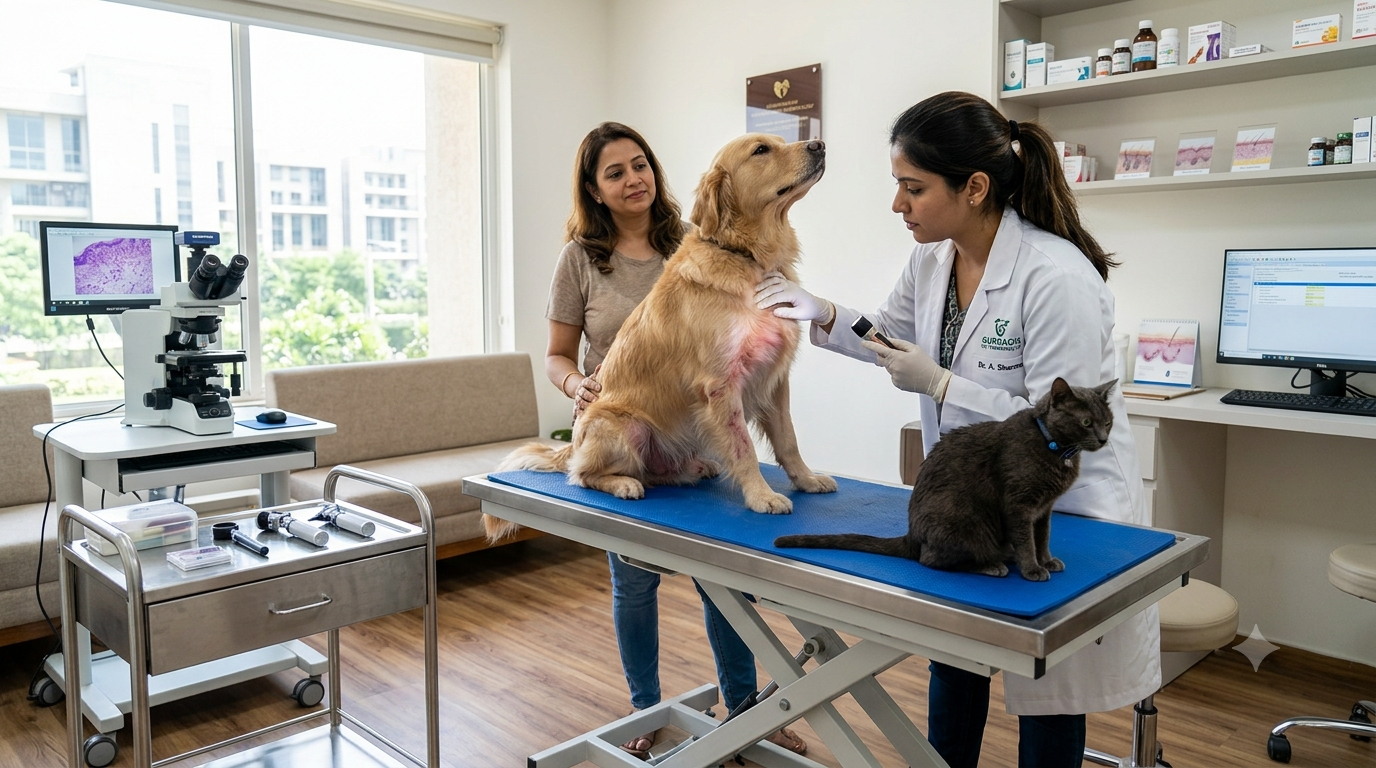
A veterinary dermatologist usually begins with a detailed consultation. The veterinarian will ask questions about your pet’s symptoms, diet, lifestyle, grooming routine, previous medications, parasite prevention history, and how long the problem has been present.
The physical examination includes checking the skin, coat, ears, paws, and affected areas. The veterinarian also evaluates the pattern of hair loss, skin irritation, redness, and other visible changes.

Depending on the condition, additional diagnostic tests may be recommended.
1. Skin Scraping Test
Skin scraping is commonly used to detect mites responsible for conditions such as mange. A small sample from the affected skin area is examined under a microscope to identify parasites.
2. Skin Cytology
Skin cytology helps detect bacteria, yeast, and inflammatory cells present on the skin. This test is useful for pets suffering from recurring infections because it helps veterinarians select appropriate treatment.
3. Ear Cytology
For pets with repeated ear infections, ear cytology helps determine whether the infection is caused by bacteria, yeast, or other organisms.
This prevents unnecessary medication and improves treatment accuracy.
4. Fungal Culture and Testing
Fungal infections such as ringworm can resemble other skin conditions. Fungal testing helps confirm whether a fungal infection is present before starting treatment.
5. Allergy Evaluation
Pets with chronic itching may require allergy assessment. Depending on the case, veterinarians may evaluate food-related triggers, environmental allergies, and other possible causes.
6. Skin Biopsy
A skin biopsy may be recommended for unusual lesions, chronic skin conditions, suspected autoimmune diseases, or cases that do not respond to standard treatment.
Advanced veterinary hospitals in Gurgaon may also provide laboratory facilities, imaging support, and specialist consultations to ensure accurate diagnosis.
Veterinary Dermatology Treatments Available in Gurgaon
Treatment for skin problems depends entirely on the underlying cause. There is no single medicine that works for every case because different conditions require different approaches.
A professional veterinary dermatologist creates a treatment plan based on your pet’s diagnosis, age, health condition, and severity of symptoms.

Allergy Management
Allergies are among the most challenging dermatological conditions because they often require long-term management.
Treatment may include allergy medications, prescription diets, medicated shampoos, supplements, environmental control, and regular monitoring.
In some cases, veterinarians may recommend specialized allergy management plans to reduce recurring symptoms.
Treatment for Bacterial Infections
Bacterial skin infections may require prescription medication, topical treatments, medicated shampoos, and management of the underlying cause.
If allergies or another health condition caused the infection, treating only the bacteria may result in repeated infections.
Treatment for Fungal Infections
Fungal infections generally require antifungal medication and proper hygiene management.
Veterinarians may also recommend cleaning the pet’s environment because certain fungal conditions can spread between animals and humans.
Parasite Control Treatment
Pets suffering from mange or flea-related skin problems require effective parasite management.
Treatment may include parasite-control medications, environmental cleaning, and preventive measures to reduce future infestations.
Ear Infection Management
Recurring ear infections require more than just ear drops.
A veterinarian may perform ear testing, identify the type of infection, clean the ear properly, and create a treatment plan to prevent recurrence.
Nutritional Support for Skin Health
Nutrition plays an important role in maintaining healthy skin and a shiny coat.
Some pets benefit from dietary adjustments or supplements containing essential fatty acids and other nutrients that support skin barrier function.
How to Prevent Skin Problems in Dogs and Cats
While not every skin condition can be prevented, regular care can significantly reduce the risk of many problems.
Regular grooming helps identify early signs of skin irritation, parasites, wounds, or abnormal changes.
Year-round flea and tick prevention is essential because parasites are a major cause of itching and skin problems.
A balanced diet supports healthy skin and coat quality. Pets with nutritional deficiencies may develop dry skin, poor coat condition, or increased shedding.
Bathing should always be done with veterinarian-recommended products. Human shampoos can disturb the natural skin barrier of pets and worsen irritation.
Regular veterinary checkups are also valuable because many skin conditions are easier to manage when detected early.

When Is a Pet Skin Problem an Emergency?
Most skin problems are not life-threatening, but some situations require immediate veterinary attention.
Seek urgent veterinary care if your pet experiences:
- Sudden facial swelling or signs of severe allergic reaction
- Large bleeding wounds or rapidly spreading skin lesions
- Severe pain associated with skin infections
- Sudden intense itching with distress
- Foul-smelling wounds or pus-filled infections
- Severe ear pain with continuous head shaking
- Rapid hair loss affecting large areas of the body
Quick treatment can prevent complications and reduce unnecessary suffering.
Final Thoughts
Skin problems can significantly affect your pet’s comfort, behavior, and overall quality of life. Constant itching, hair loss, recurring infections, and ear problems should never be considered normal.
A veterinary dermatologist helps identify the real cause behind these problems and provides targeted treatment instead of temporary solutions.
With experienced veterinarians, advanced diagnostics, and multi-specialty veterinary hospitals, Gurgaon offers reliable options for pet owners looking for dermatology care for dogs and cats.
Whether your pet is dealing with allergies, infections, parasites, or chronic skin conditions, early consultation can improve recovery chances and prevent long-term complications.
Healthy skin is not only about appearance. It is an important part of your pet’s overall health and happiness.