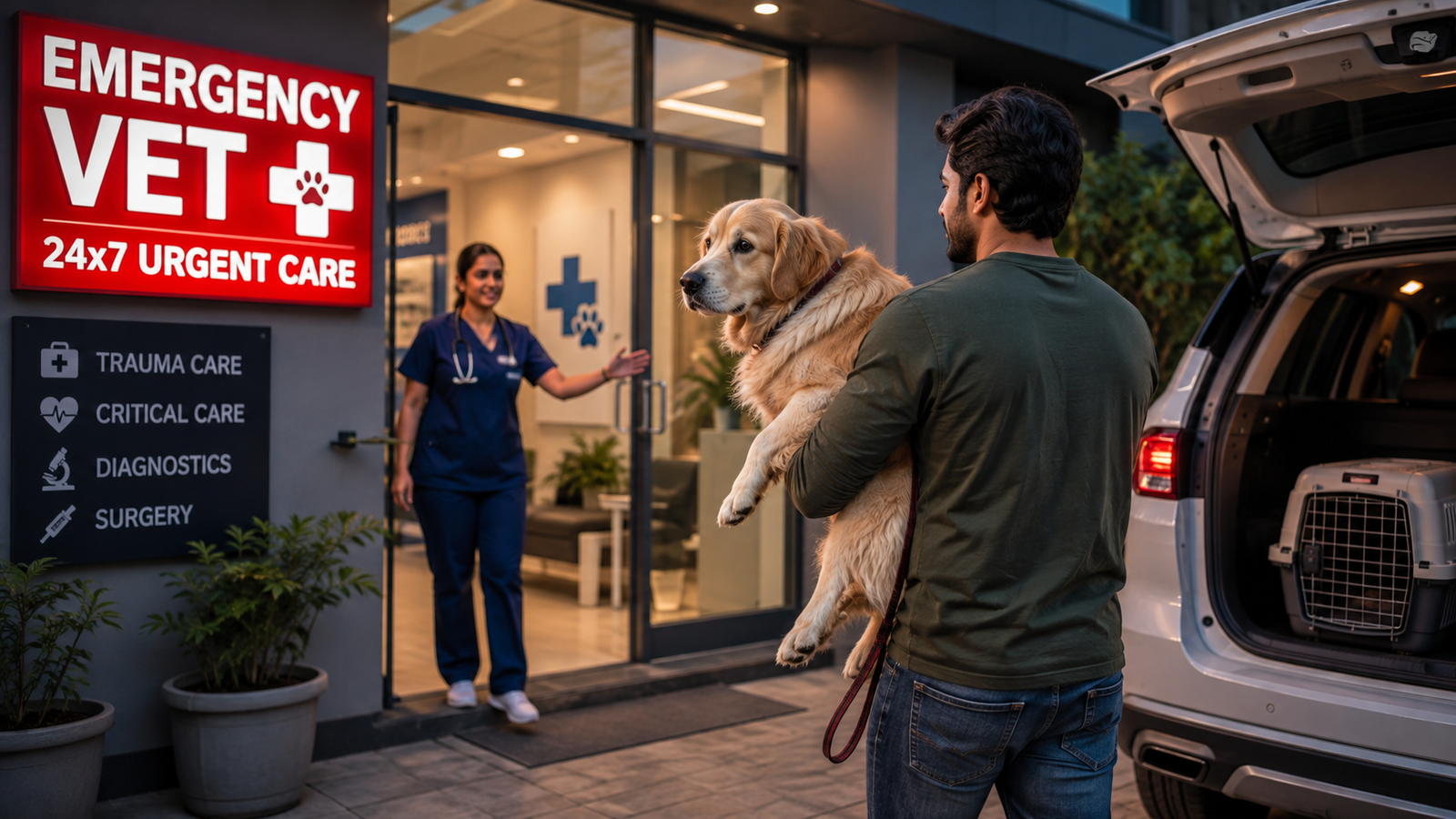
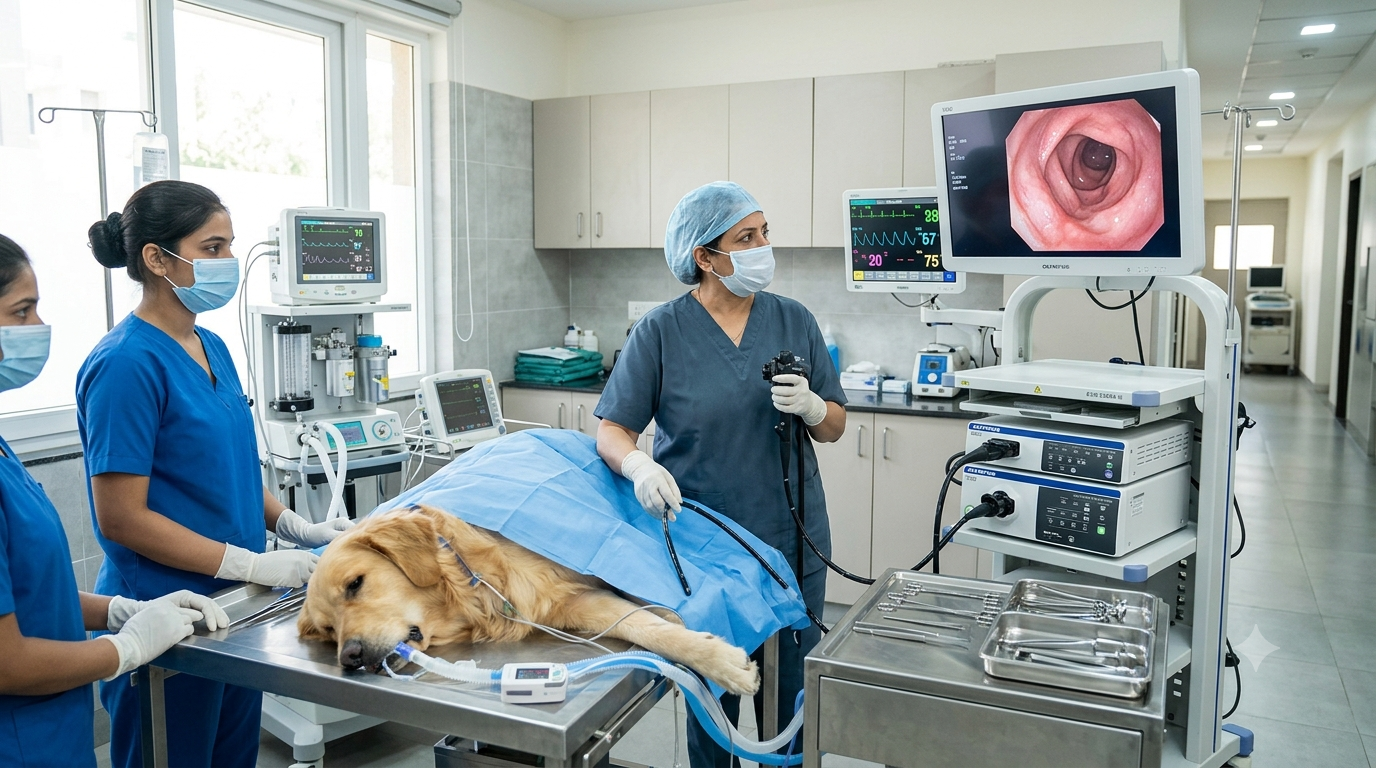
When your dog suddenly starts vomiting, refuses food, or struggles to swallow after chewing on a toy or bone, it can quickly become a frightening situation. Dogs are naturally curious animals and often explore the world with their mouths. Unfortunately, that curiosity sometimes leads them to swallow objects such as socks, toys, plastic pieces, bones, stones, corn cobs, fish hooks, or even clothing. While some foreign objects pass through the digestive system without causing problems, others can become lodged in the esophagus or stomach, creating a potentially life-threatening emergency.
Years ago, many of these cases required invasive abdominal surgery. Today, advances in veterinary medicine have made treatment much safer and less invasive. One of the most important developments is veterinary endoscopy—a procedure that allows veterinarians to examine and, in many cases, treat problems inside your dog’s digestive or respiratory tract using a thin, flexible camera without making large surgical incisions.
If your veterinarian recommends an endoscopy, one of the first questions that naturally comes to mind is, “How much does dog endoscopy cost in Gurgaon?” The answer depends on several factors, including why the procedure is needed, whether a foreign object needs to be removed, your dog’s size, anesthesia requirements, and the veterinary hospital you choose.
In Gurgaon, where advanced veterinary care continues to grow, several multi-specialty pet hospitals now offer modern diagnostic facilities, including endoscopy, digital imaging, intensive care, and minimally invasive procedures. Understanding how endoscopy works, what affects its cost, and when it is the preferred treatment option can help you make informed decisions if your pet ever requires this specialized procedure.
This comprehensive guide explains everything pet owners need to know about dog endoscopy cost in Gurgaon in 2026, including average pricing, factors affecting expenses, the procedure itself, recovery, risks, benefits, and how to choose the right veterinary hospital for your pet.

What Is Dog Endoscopy?
Dog endoscopy is a minimally invasive diagnostic and therapeutic procedure that enables veterinarians to examine the inside of your dog’s body using a long, flexible tube called an endoscope. The instrument contains a high-definition camera, a powerful light source, and specialized channels through which tiny medical instruments can be passed when necessary.
Unlike traditional surgery, endoscopy usually requires no large external incision. Instead, the endoscope is carefully inserted through natural openings such as the mouth, nose, or rectum, depending on the part of the body being examined.
During the procedure, live images are displayed on a monitor, allowing the veterinarian to inspect internal organs in real time. This direct visualization often provides much more detailed information than X-rays alone and can help diagnose conditions that may otherwise remain hidden.
In dogs, gastrointestinal endoscopy is the most commonly performed type. It allows veterinarians to examine the esophagus, stomach, and the upper portion of the small intestine for inflammation, ulcers, tumors, bleeding, foreign objects, or structural abnormalities. Endoscopy can also be used to examine the respiratory tract, nasal passages, colon, and urinary tract when clinically indicated.
Perhaps the greatest advantage of veterinary endoscopy is that it is not only a diagnostic tool but also a treatment option. If a swallowed object is found inside the stomach or esophagus, veterinarians can often remove it immediately using specialized retrieval instruments passed through the endoscope, eliminating the need for open surgery.

When Does a Dog Need an Endoscopy?
Veterinarians recommend endoscopy when they need a closer look at internal organs or when imaging tests suggest a condition that requires direct examination.
One of the most common reasons is the removal of swallowed foreign objects. Dogs frequently ingest items that are too large, sharp, or irregular to pass safely through the digestive tract. Objects such as socks, tennis balls, rubber toys, plastic fragments, rawhide chews, fish hooks, stones, underwear, bones, coins, or corn cobs can become lodged inside the esophagus or stomach, causing severe complications if left untreated.
Endoscopy is also commonly recommended for dogs experiencing chronic vomiting, persistent diarrhea, unexplained weight loss, loss of appetite, repeated regurgitation, excessive drooling, difficulty swallowing, blood in vomit, chronic coughing, or recurring respiratory infections. These symptoms may indicate inflammation, ulcers, polyps, tumors, or other gastrointestinal diseases that cannot always be confirmed through blood tests or X-rays alone.
In many cases, veterinarians use endoscopy to collect tiny tissue samples known as biopsies. These samples are sent to a laboratory where specialists examine them under a microscope to diagnose conditions such as inflammatory bowel disease (IBD), chronic gastritis, stomach ulcers, fungal infections, or certain cancers. Because biopsy samples are collected without open surgery, diagnosis becomes significantly less invasive while still providing valuable clinical information.

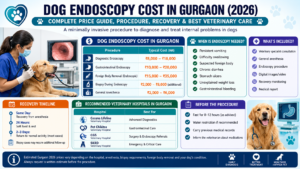
Dog Endoscopy Cost in Gurgaon (2026)
The cost of dog endoscopy in Gurgaon varies depending on the purpose of the procedure, the complexity of the case, and the facilities available at the veterinary hospital. A straightforward diagnostic examination generally costs less than an emergency procedure involving foreign body removal or multiple biopsy samples.
The following estimates represent the typical price range charged by many advanced veterinary hospitals in Gurgaon during 2026.
| Procedure | Estimated Cost (2026) |
| Diagnostic gastrointestinal endoscopy | ₹8,000 – ₹18,000 |
| Endoscopy with biopsy | ₹10,000 – ₹24,000 |
| Laboratory biopsy analysis | ₹2,000 – ₹6,000 |
| Endoscopic foreign body removal | ₹12,000 – ₹30,000 |
| Pre-anesthetic blood tests | ₹1,000 – ₹3,000 |
| X-rays or diagnostic imaging | ₹1,000 – ₹4,000 |
| Overnight hospitalization (if required) | ₹2,000 – ₹8,000 |
Although the total expense may initially appear significant, endoscopy is often more cost-effective than emergency abdominal surgery. Because the procedure usually involves less tissue trauma, shorter hospitalization, and quicker recovery, the overall treatment cost may actually be lower in suitable cases.
It is important to remember that these figures are approximate. Every dog is different, and veterinarians prepare individualized treatment estimates after examining the patient and reviewing diagnostic findings.
Why Do Endoscopy Costs Vary Between Veterinary Hospitals?
Many pet owners are surprised when different hospitals quote different prices for what appears to be the same procedure. In reality, several medical and operational factors influence the final bill.
One of the biggest factors is the sophistication of the equipment being used. Modern high-definition veterinary endoscopes provide clearer images, improved maneuverability, and better diagnostic accuracy than older systems. Hospitals that invest in advanced equipment often have higher operating costs, which may be reflected in their pricing.
The experience of the veterinary team also plays an important role. Endoscopy requires specialized training, especially when removing delicate foreign objects or obtaining biopsy samples from difficult locations. Hospitals with experienced surgeons or visiting specialists may charge higher professional fees, but that expertise can reduce the risk of complications and improve treatment outcomes.
Another important consideration is the level of anesthesia monitoring provided during the procedure. Advanced veterinary hospitals typically monitor heart rate, blood pressure, oxygen saturation, carbon dioxide levels, body temperature, and respiratory function throughout anesthesia. Comprehensive monitoring enhances patient safety but also contributes to the overall cost.
Emergency procedures performed outside regular consultation hours may also cost more than scheduled appointments. If your dog requires overnight observation, intravenous fluids, pain management, or intensive care, hospitalization charges will further increase the final bill.
Additionally, some dogs require blood work, X-rays, ultrasound examinations, or other diagnostic tests before anesthesia can be safely administered. These investigations are generally billed separately because they are tailored to the individual patient’s condition.
Overall, choosing the least expensive option is not always the best decision. The quality of equipment, experience of the veterinary team, anesthesia protocols, and emergency support are often just as important as the quoted price when your pet’s health is at stake.

What Is Included in the Endoscopy Cost?
Before scheduling the procedure, most veterinary hospitals provide an estimate outlining the expected expenses. Understanding what is included can help you avoid unexpected costs and compare hospitals more effectively.
A standard endoscopy package generally covers the veterinarian’s consultation, use of the endoscopy equipment, general anesthesia, monitoring during the procedure, sterile operation theatre charges, nursing care, and post-anesthesia recovery observation.
However, some services are frequently billed separately. These may include blood tests performed before anesthesia, X-rays or ultrasound imaging, biopsy collection and laboratory analysis, intravenous fluids, medications, overnight hospitalization, follow-up consultations, and prescription diets if your dog requires nutritional management after treatment.
Asking for a detailed written estimate beforehand is always advisable, particularly if your pet has underlying health conditions that may require additional monitoring or treatment.

How Is Dog Endoscopy Performed?
Once your veterinarian determines that endoscopy is the most appropriate option, the procedure follows a carefully planned process to ensure both accurate diagnosis and patient safety. Although every case is slightly different, most veterinary hospitals in Gurgaon follow a similar protocol.

1. Initial Consultation and Physical Examination
The process begins with a thorough physical examination and discussion of your dog’s symptoms. Your veterinarian will ask questions about when the symptoms started, whether your dog may have swallowed a foreign object, changes in appetite, vomiting episodes, bowel movements, previous medical history, and any medications your pet is currently taking.
Based on the examination, your veterinarian may recommend additional diagnostic tests before proceeding with anesthesia.
2. Pre-Anesthetic Diagnostic Tests
Before undergoing general anesthesia, your dog usually requires blood tests to evaluate liver function, kidney function, blood sugar levels, hydration status, and overall health. These tests help identify underlying medical conditions that could increase anesthesia risks.
Depending on the situation, additional imaging such as X-rays or ultrasound may also be performed. While imaging may identify many foreign objects, some materials like cloth, plastic, or rubber toys may not appear clearly on standard X-rays. In such cases, endoscopy provides direct visualization and often becomes the preferred diagnostic tool.
3. Fasting Before the Procedure
Food is typically withheld for eight to twelve hours before gastrointestinal endoscopy so that the stomach remains empty and the veterinarian has a clear view of the digestive tract. Water may be allowed until a few hours before anesthesia, but owners should always follow the specific fasting instructions provided by their veterinary hospital.
Proper fasting also reduces the risk of vomiting or aspiration while the dog is under anesthesia.
4. General Anesthesia
Unlike many human endoscopic procedures, dogs require general anesthesia to ensure they remain completely still throughout the examination. Modern anesthesia protocols are considered very safe when administered by experienced veterinary teams with appropriate monitoring equipment.
During the procedure, trained veterinary staff continuously monitor your dog’s heart rate, blood pressure, oxygen levels, breathing, temperature, and overall anesthetic depth to maintain maximum safety.
5. The Endoscopic Examination
Once your dog is fully anesthetized, the veterinarian gently inserts the flexible endoscope through the mouth, rectum, or another natural opening depending on the area being examined.
High-definition images are transmitted to a monitor in real time, allowing the veterinarian to carefully inspect the lining of the esophagus, stomach, intestines, or other organs. Any signs of inflammation, ulcers, bleeding, abnormal growths, foreign objects, or structural abnormalities can be evaluated immediately.
If necessary, tiny instruments passed through the endoscope can collect biopsy samples or retrieve swallowed objects without making surgical incisions.
Most procedures take between 30 and 90 minutes, although complex foreign body removals may require additional time.
Is Dog Endoscopy Safe?
One of the biggest concerns for pet owners is whether endoscopy is safe. Fortunately, veterinary endoscopy is considered one of the safest minimally invasive procedures available when performed by experienced veterinarians using modern equipment and proper anesthesia monitoring.
Because no large surgical incision is required, dogs usually experience significantly less pain than they would after traditional abdominal surgery. The risk of wound infection is also greatly reduced since there are no external surgical wounds to heal.
General anesthesia always carries some degree of risk, particularly in elderly pets or dogs with underlying heart, liver, or kidney disease. However, pre-anesthetic blood work, careful patient evaluation, and continuous monitoring throughout the procedure help minimize these risks considerably.
For healthy dogs, complications following endoscopy are uncommon, and most patients recover quickly within a day or two.
What Is the Success Rate of Dog Endoscopy?
The success of an endoscopic procedure depends largely on why it is being performed and how quickly veterinary care is sought.
For diagnostic examinations, endoscopy provides veterinarians with an excellent view of the digestive tract and often allows accurate diagnosis through direct visualization and biopsy collection.
When it comes to foreign body removal, endoscopy is highly successful if the object remains in the esophagus or stomach and has not yet moved deeper into the intestines. Soft toys, socks, pieces of cloth, rubber items, plastic fragments, bones, and similar objects can frequently be removed without surgery.
Early intervention is extremely important. If treatment is delayed, the object may travel into the intestines, where endoscopic retrieval may no longer be possible. In such situations, traditional surgery may become necessary.
Prompt veterinary attention therefore increases the likelihood that endoscopy alone can successfully resolve the problem.

What Happens If Endoscopy Cannot Remove the Object?
Although endoscopy is highly effective, it cannot solve every case.
Some foreign objects become lodged too deeply within the intestines to be reached safely by an endoscope. Others may be unusually large, have sharp edges, or cause perforation of the digestive tract, making surgical removal the safer option.
Occasionally, imaging performed before the procedure reveals that surgery is already necessary because of intestinal obstruction, tissue damage, or perforation.
In these situations, endoscopy still plays an important diagnostic role by helping veterinarians determine the exact location and severity of the problem before surgery is performed.
Rather than viewing endoscopy and surgery as competing treatments, they are often complementary tools that allow veterinarians to choose the safest and most effective approach for each individual patient.
Endoscopy vs Traditional Surgery: Which Is Better?
Pet owners often wonder whether endoscopy is always preferable to surgery. The answer depends entirely on the medical condition.
| Endoscopy | Traditional Surgery |
| No large surgical incision | Requires abdominal incision |
| Less post-procedure pain | More post-operative discomfort |
| Faster recovery | Longer healing period |
| Lower infection risk | Higher surgical wound risk |
| Usually same-day discharge | Hospitalization often required |
| Ideal for diagnosis and many stomach foreign bodies | Necessary for intestinal blockages, perforations, or advanced disease |
Whenever a condition can be safely managed through endoscopy, veterinarians generally prefer the minimally invasive approach because it reduces trauma, speeds recovery, and minimizes complications. However, surgery remains the best option for many complex or life-threatening conditions.
Benefits of Dog Endoscopy
Veterinary endoscopy has become increasingly popular because it combines accurate diagnosis with minimally invasive treatment.
One of its greatest advantages is that it allows veterinarians to see internal organs directly rather than relying solely on imaging studies. This improves diagnostic accuracy while helping guide appropriate treatment.
Another significant benefit is the ability to remove many swallowed foreign objects without performing major abdominal surgery. For pet owners, this often means reduced pain, fewer complications, shorter hospital stays, and quicker recovery for their dogs.
Because tissue biopsies can also be collected during the same procedure, multiple diagnostic steps can often be completed under a single anesthetic event. This not only improves efficiency but may also reduce the stress associated with repeated hospital visits.
In addition, most dogs return home on the same day and resume normal routines much sooner than they would after traditional surgery, making endoscopy an attractive option whenever it is medically appropriate.

Are There Any Risks or Complications?
Although veterinary endoscopy is considered very safe, no medical procedure is entirely free of risk.
Minor throat irritation can occasionally occur after upper gastrointestinal endoscopy because the flexible scope passes through the mouth and esophagus. Most dogs recover from this within a day.
Rare complications may include bleeding following biopsy collection, adverse reactions to anesthesia, accidental injury to delicate tissues, or unsuccessful retrieval of a foreign object. In exceptionally uncommon cases, perforation of the digestive tract may occur, requiring emergency surgery.
Fortunately, these complications are uncommon when experienced veterinarians perform the procedure using appropriate equipment and established safety protocols.
Following your veterinarian’s fasting instructions, medication recommendations, and post-procedure care guidelines further reduces the likelihood of complications and supports a smooth recovery.
Recovery After Dog Endoscopy
One of the biggest advantages of endoscopy is the relatively quick recovery compared with traditional surgery. Since there are no large incisions, most dogs experience minimal discomfort and can return home on the same day once the effects of anesthesia have worn off.
It is normal for dogs to appear slightly sleepy or less active for several hours after the procedure. Some may have mild throat irritation, especially if the endoscope was passed through the mouth, but this usually resolves within a day. Your veterinarian may advise feeding small portions of soft, easily digestible food for the first twenty-four hours before gradually returning to the regular diet.
If biopsies were collected or inflammation was detected, medications such as antibiotics, anti-inflammatory drugs, stomach protectants, or probiotics may be prescribed depending on the diagnosis. It is important to administer all medications exactly as directed and complete the full course, even if your dog appears to have recovered.
Most healthy dogs resume normal activity within one to two days. However, if your pet develops repeated vomiting, refuses food, experiences abdominal pain, becomes unusually lethargic, or has difficulty breathing after returning home, contact your veterinarian immediately for further evaluation.
How to Prepare Your Dog for an Endoscopy
Proper preparation plays an important role in ensuring a safe and successful procedure. Your veterinary team will provide detailed instructions based on your dog’s age, health, and the reason for the endoscopy.
Food is generally withheld for eight to twelve hours before the procedure so the stomach remains empty. This improves visibility during the examination and reduces the risk of aspiration during anesthesia. Water may be allowed until a few hours beforehand, but owners should always follow the hospital’s specific instructions.
Inform your veterinarian about all medications, supplements, or herbal products your dog is taking, as some may need to be temporarily stopped before anesthesia. You should also mention any previous reactions to anesthesia, chronic illnesses, allergies, or recent surgeries.
Bringing previous medical records, blood test reports, X-rays, or ultrasound findings can also help the veterinary team assess your dog’s condition more efficiently.

Choosing the Right Veterinary Hospital for Dog Endoscopy in Gurgaon
Not every veterinary clinic has in-house endoscopy facilities, making it important to choose a hospital equipped to perform advanced diagnostic procedures safely.
When evaluating a veterinary hospital, consider whether it has modern high-definition endoscopic equipment, experienced veterinarians trained in minimally invasive procedures, comprehensive anesthesia monitoring, digital diagnostic imaging, laboratory support, and emergency care services. Hospitals that provide intensive care facilities and post-procedure monitoring may be better equipped to manage complicated cases or dogs with underlying medical conditions.
It is also worth asking whether the procedure is performed by an in-house veterinary specialist or a visiting surgeon, whether biopsy samples are processed through accredited laboratories, and what type of follow-up care is included after the procedure.
Several well-known multi-specialty veterinary hospitals in Gurgaon offer advanced diagnostics and surgical care, including facilities capable of performing or arranging veterinary endoscopy. Before scheduling treatment, discuss the estimated cost, expected recovery, possible alternatives, and whether emergency surgical backup is available if endoscopy cannot resolve the problem.

When Should You Seek Immediate Veterinary Care?
Certain symptoms may indicate a medical emergency and should never be ignored. Prompt treatment can significantly improve the chances of successful endoscopic removal and reduce the likelihood of emergency surgery.
Seek immediate veterinary attention if your dog experiences sudden difficulty swallowing, repeated vomiting, persistent retching without producing vomit, excessive drooling, refusal to eat or drink, coughing immediately after swallowing an object, abdominal swelling, severe abdominal pain, blood in vomit, black or tarry stools, difficulty breathing, unusual weakness, or collapse.
If you actually witnessed your dog swallowing a foreign object, avoid attempting to induce vomiting or remove the object yourself unless specifically instructed by a veterinarian. Some objects, particularly sharp bones, fish hooks, batteries, or corrosive materials, can cause additional injury if handled improperly. Immediate professional evaluation offers the safest course of action.
Final Thoughts
Dog endoscopy has transformed the way veterinarians diagnose and treat many gastrointestinal and respiratory conditions. By allowing direct visualization of internal organs without the need for large surgical incisions, it offers a safer, less invasive alternative for many dogs suffering from digestive disorders or foreign body ingestion.
In Gurgaon, the cost of dog endoscopy typically ranges from ₹8,000 to ₹30,000, depending on the complexity of the procedure, whether biopsy collection or foreign body removal is required, the size of your dog, anesthesia requirements, and the facilities available at the veterinary hospital. While additional diagnostics or hospitalization may increase the total expense, endoscopy often proves to be more cost-effective than emergency surgery because it reduces recovery time, minimizes complications, and shortens hospital stays.
If your dog develops persistent vomiting, difficulty swallowing, chronic digestive problems, or is suspected of swallowing a foreign object, seeking veterinary care without delay can make a significant difference. Early diagnosis frequently allows minimally invasive treatment before the condition becomes more serious.
When choosing a veterinary hospital, look beyond pricing alone. Experienced veterinarians, modern endoscopic equipment, advanced anesthesia monitoring, comprehensive diagnostic facilities, and quality post-procedure care all contribute to safer treatment and better outcomes. Discuss the available options with your veterinarian, ask for a detailed treatment estimate, and ensure you understand the expected recovery plan before the procedure.
With timely medical attention and appropriate veterinary care, most dogs recover quickly after endoscopy and return to their normal, active lives within a short period, allowing both pets and their owners greater peace of mind.