
If you’re a pet parent in Gurgaon, there’s a good chance you’ve already heard about pet sterilization from your veterinarian or other dog and cat owners. It’s often recommended early, sometimes discussed during routine checkups, and occasionally even suggested when behavioral changes begin to appear.
But despite how common the procedure is, most pet owners still hesitate when it comes to actually making the decision.
Is it safe? Will it change my pet’s personality? How much does it cost? And when is the right time to do it?
These questions are normal because sterilization feels like a big step. In reality, it’s one of the most routine and widely performed veterinary procedures today. More importantly, it’s not just about preventing unwanted litters—it’s about protecting long-term health and improving quality of life.
Let’s break it down clearly so you can make a confident, informed decision.
Understanding What Pet Sterilization Actually Means

At its core, pet sterilization simply refers to a surgical procedure that prevents animals from reproducing. But within that definition, there are two different procedures depending on the pet’s gender.
For female pets, it’s called spaying. This involves removing the ovaries and often the uterus. Once the procedure is done, the pet no longer goes through heat cycles and cannot become pregnant.
For male pets, it’s called neutering. In this procedure, the testicles are removed, which prevents reproduction and significantly reduces hormone-driven behaviors.
While the medical steps differ, the purpose remains the same. It’s about controlling reproduction while also improving long-term health outcomes.
Most importantly, both procedures are performed under general anesthesia and are considered routine in modern veterinary practice.
Why Veterinarians Strongly Recommend Sterilization Today
There was a time when sterilization was mainly discussed in the context of controlling stray populations. That’s still relevant, but the conversation has shifted significantly over the years.
Today, veterinarians look at sterilization as preventive healthcare.
The reason is simple. Many serious health conditions in pets are linked to reproductive organs and hormones. These issues often develop quietly and only show symptoms when they become severe. By that time, treatment is usually more complicated and expensive.
Sterilization helps reduce those risks early. It also helps manage behaviors that are driven by hormonal cycles, which can be stressful for both pets and owners.
In cities like Gurgaon, where veterinary care is becoming more advanced and accessible, sterilization has become a standard recommendation rather than an optional discussion.
The Real Health Benefits That Make a Difference
When most people think about sterilization, they think about preventing pregnancy. But that’s only a small part of the picture.
The real value lies in long-term health protection.
In female pets, spaying dramatically reduces the risk of mammary tumors, especially when done early. It also eliminates the possibility of uterine infections like pyometra, which can become life-threatening if not treated in time.
In male pets, neutering removes the risk of testicular cancer and helps reduce prostate-related complications as they age.
What often surprises pet owners is how preventive this procedure really is. It doesn’t just treat problems—it helps prevent them from ever developing.

Over time, this can translate into fewer medical emergencies, lower veterinary costs, and a healthier, more comfortable life for the pet.
What Most Pet Owners Worry About (and the Reality)
One of the biggest reasons pet parents delay sterilization has nothing to do with the procedure itself. It’s fear of change.
Will my pet stop being playful? Will their personality change? Will they become lazy or different?
These concerns are understandable, but they are mostly based on misconceptions.
Sterilization does not change your pet’s core personality. A playful dog remains playful. A social cat remains social. The emotional bond you share does not change at all.
What does change are hormone-driven behaviors. You may notice reduced roaming in male pets or fewer heat-cycle disruptions in female pets. These changes often make pets easier to manage, not less active or affectionate.
In most cases, pet owners report that their pets actually become more settled after recovery, not less energetic.
Timing Matters More Than Most People Realize
There is no single “perfect age” that applies to all pets, and this is where many owners get confused.
Cats are often sterilized between four and six months of age, before they reach sexual maturity. This helps avoid early pregnancy risks and reduces hormonal stress.
Dogs require a more personalized approach. Smaller breeds are often ready around six months, while larger breeds may benefit from waiting longer due to bone and joint development.
This is why veterinarians rarely give a one-size-fits-all answer. Instead, they evaluate the pet’s breed, size, and overall health before recommending the right time.
Getting the timing right can make a meaningful difference in long-term health outcomes.

What Actually Happens During the Procedure
For many pet owners, the anxiety comes from not knowing what happens inside the clinic.
The process is actually very structured and controlled.
Before surgery begins, the veterinarian performs a full physical examination. In many cases, blood tests are also recommended to ensure the pet is fit for anesthesia.
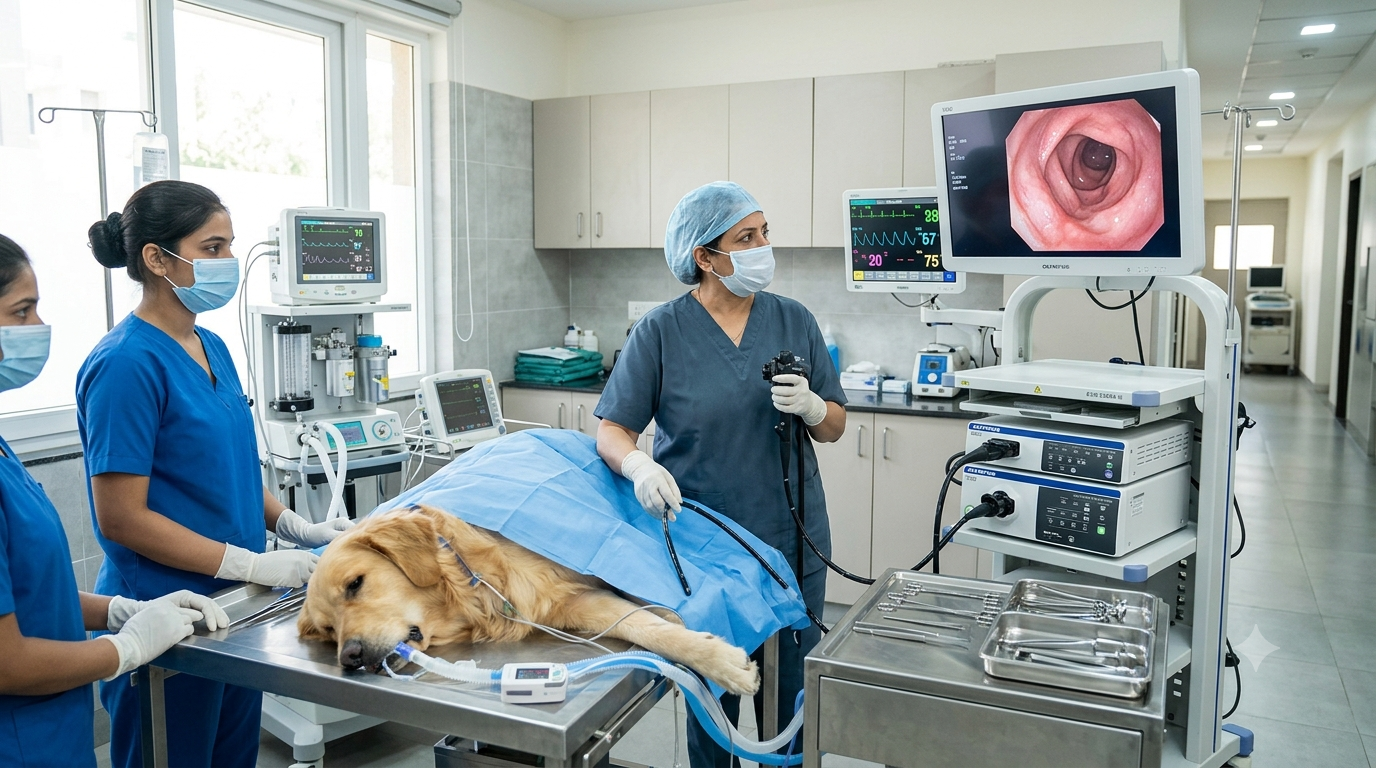
Once everything is cleared, the pet is placed under general anesthesia so they do not feel pain during the procedure. Throughout the surgery, vital signs like heart rate, oxygen levels, and temperature are closely monitored.
The procedure itself is performed in a sterile surgical environment and typically does not take very long.
Afterward, the pet is moved to a recovery area where they are monitored as they wake up. Most pets return home the same day with medications and clear aftercare instructions.
Understanding this process often removes a lot of unnecessary fear for pet owners.
Why Costs Differ So Much in Gurgaon

If you’ve checked multiple clinics, you’ve probably noticed that sterilization costs vary quite a bit.
This is completely normal.
The cost depends on several factors such as the pet’s size, age, and gender. Female surgeries are usually more expensive because they are more complex.
But that’s not the only factor.
The type of clinic, quality of surgical equipment, anesthesia protocols, and level of post-operative care all influence pricing. Some clinics also include blood tests, medication, and follow-up visits in their package, while others charge separately.
This is why the cheapest option is not always the best one. What matters more is safety, experience, and quality of care.
Recovery Is Simpler Than Most People Expect

Recovery is often the part pet owners worry about the most, but in reality, it is usually straightforward.
The first 24 hours are typically the most noticeable. Pets may feel sleepy or slightly off due to anesthesia. This is temporary and expected.
Within a couple of days, appetite and energy levels start returning. By the end of the first week, most pets are already behaving close to normal, although activity still needs to be controlled.
Full healing usually happens within 10 to 14 days, depending on the pet and how well post-surgery instructions are followed.
The most important part of recovery is preventing the pet from licking or irritating the surgical area. This is where most complications, if any, tend to happen.
The Myths That Still Confuse Pet Owners
Even today, sterilization is surrounded by outdated beliefs.
Some people believe female pets should have one litter before being spayed. There is no medical benefit to this, and in fact, early sterilization reduces health risks.
Others believe pets become lazy or gain weight after surgery. In reality, weight gain is linked to diet and exercise, not the procedure itself.
And perhaps the most common myth is that sterilization changes personality. It does not. It only reduces hormone-driven behaviors that are often temporary and stressful.
Once these myths are cleared, the decision becomes much easier for most pet owners.
Frequently Asked Questions (FAQs)
Q 1- Is pet sterilization safe for dogs and cats?
Answer- Yes, sterilization is considered a routine and safe veterinary procedure when performed under proper anesthesia and monitoring. Most pets recover without complications.
Q 2- How long does it take for a pet to recover after sterilization?
Answer- Most pets recover within 10 to 14 days. The first 48 hours may include mild sleepiness, but energy gradually returns.
Q 3- Will my pet gain weight after sterilization?
Answer- Sterilization itself does not cause weight gain. Weight changes are usually due to diet and reduced activity, which can be managed easily.
Q 4- Can I sterilize an older pet?
Answer- Yes, older pets can be sterilized, but they may require additional health checks before surgery to ensure they are fit for anesthesia.
Final Thoughts
Pet sterilization is not just a medical procedure. It’s a preventive decision that affects your pet’s long-term health, comfort, and quality of life.
In a city like Gurgaon, where veterinary facilities are modern and widely available, the procedure is safe, routine, and highly effective when done at the right time.
If you are unsure, the best step is always a consultation with your veterinarian. Every pet is different, and personalized advice makes all the difference.
At the end of the day, responsible pet care is not only about treating problems when they appear. It’s about preventing them before they start. Sterilization is one of the clearest examples of that philosophy.