Bringing a pet home for the first time is a life-changing experience. It brings excitement, companionship, and emotional bonding, but it also comes with responsibility. The first year of your pet’s life is the most important stage because it shapes their immunity, behavior, and long-term health.
Many first-time pet owners in India struggle with questions like when to visit a vet, what vaccinations are required, how to manage feeding routines, and what mistakes to avoid. This guide provides a complete, structured roadmap based on veterinary best practices and real-world pet care experience in India.
Why the First Year of Your Pet’s Life Is So Important
The first year is the foundation phase of your pet’s life. During this period, your pet develops immunity, adapts to a new environment, and learns essential behavior patterns.
In India, pets are exposed to health risks such as parvovirus, distemper, rabies, and tick-borne infections. These diseases are especially dangerous for young pets whose immune systems are still developing. This is why preventive care during the first year is not optional but essential.
A structured approach during this stage not only ensures better health but also reduces long-term medical expenses and behavioral issues.

The First Vet Visit: The Most Important Step After Bringing Your Pet Home
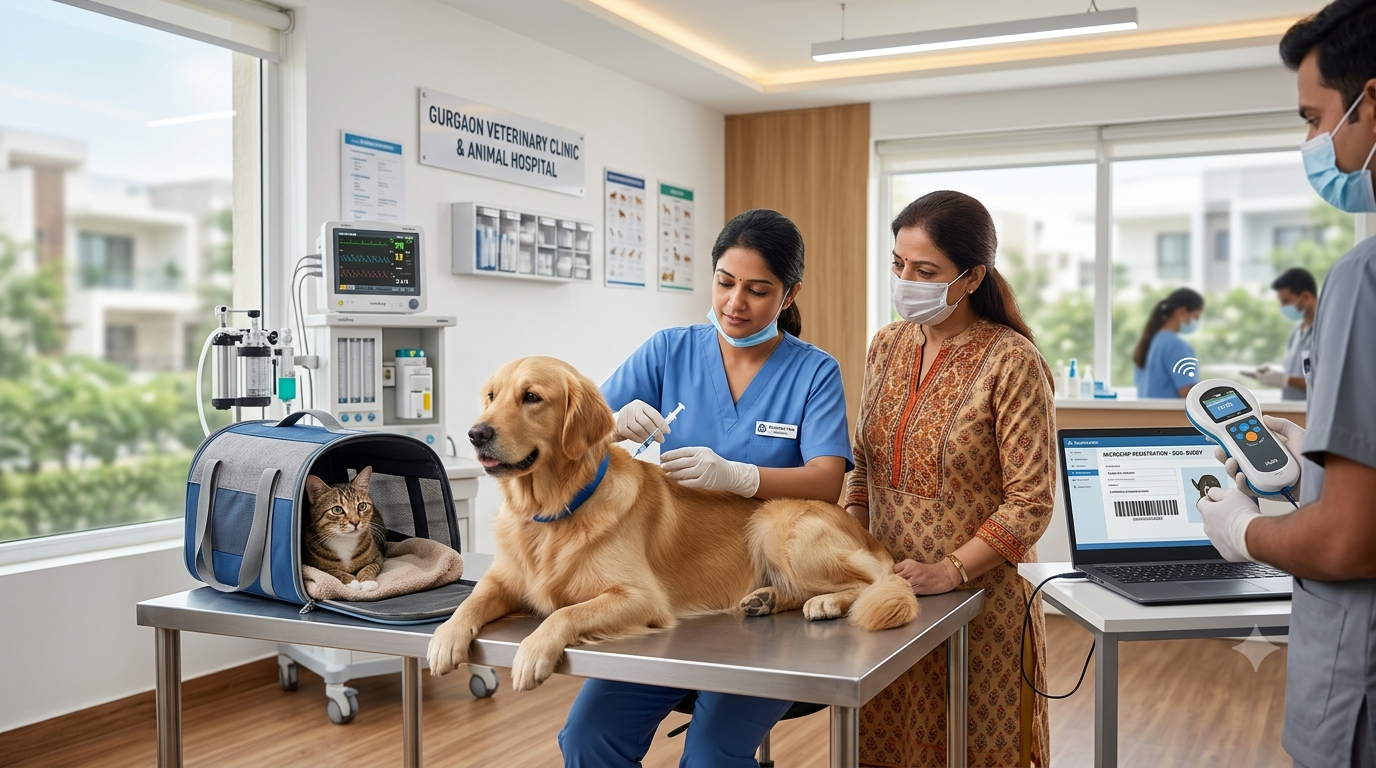
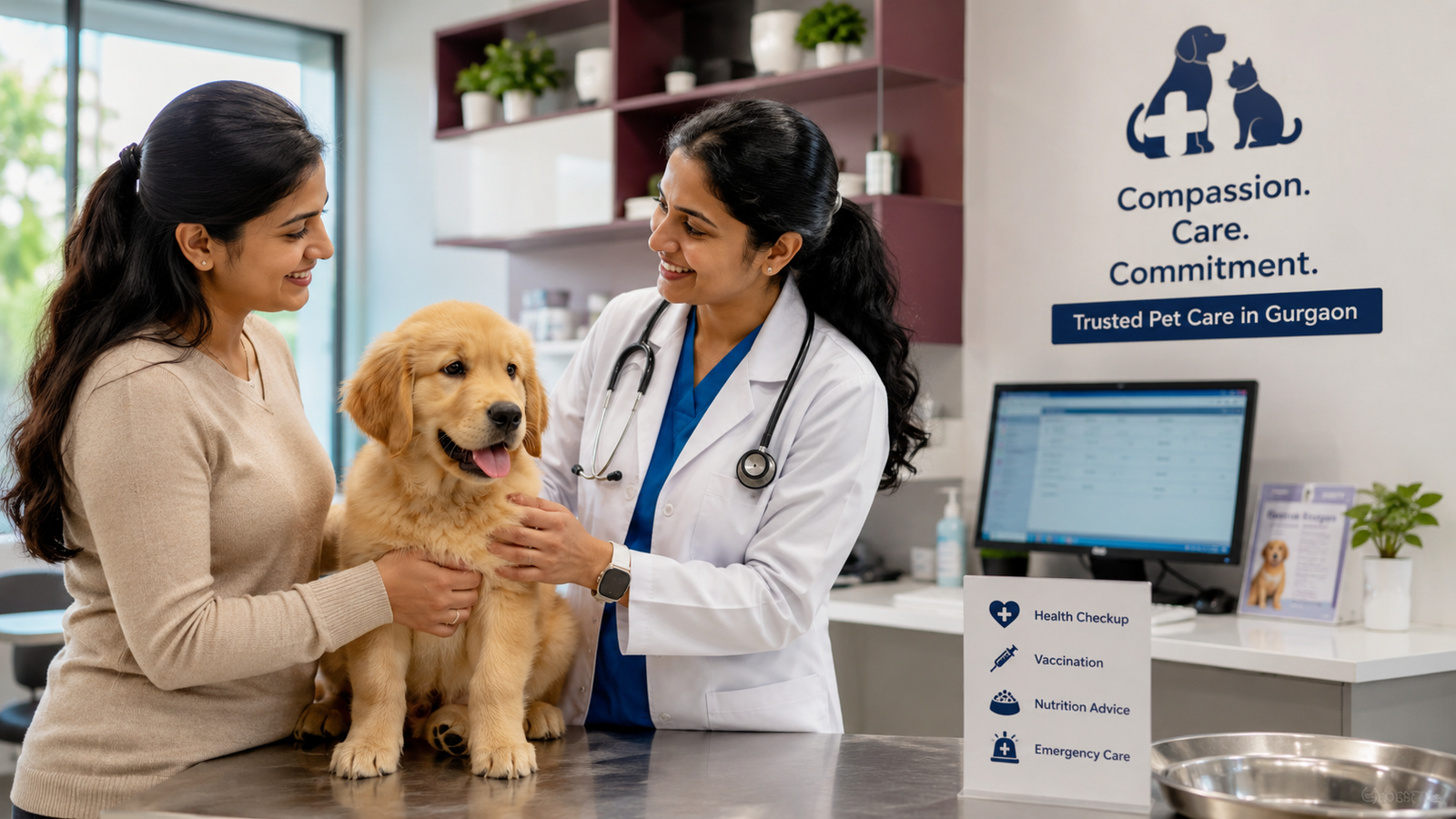
The first veterinary visit should ideally take place within three to seven days of bringing your pet home. This early consultation helps identify any hidden health issues and ensures your pet starts on a safe and healthy path.
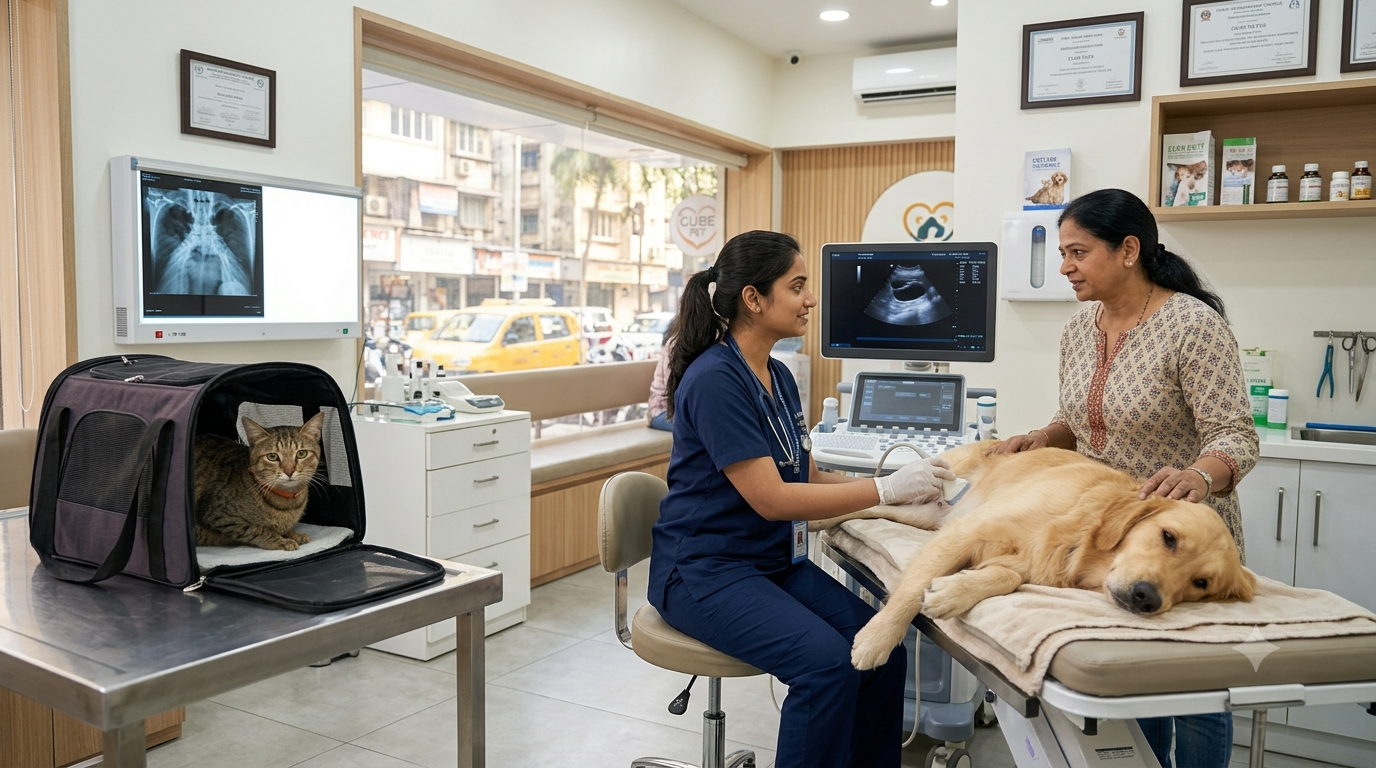
During this visit, the veterinarian performs a complete physical examination, checks for parasites or infections, evaluates weight and development, and creates a personalized care plan. The vet also guides you on vaccination schedules, deworming routines, and diet plans based on your pet’s age, breed, and health condition.
In cities like Gurgaon and across India, pet owners often search for “best pet clinic near me” or “vet consultation cost” only when symptoms appear. However, early preventive care is significantly more effective and safer than emergency treatment.

Understanding Your Pet’s First-Year Development Journey
Your pet’s first year can be divided into three important phases: adjustment, immunity building, and stabilization. Each phase plays a critical role in shaping your pet’s overall well-being.
The first phase focuses on helping your pet settle into a new environment. Consistency in feeding, sleeping, and daily routine is essential during this period.
The second phase is the most medically important stage, as it involves vaccinations and parasite control to build immunity against serious diseases.
The final phase focuses on stabilizing growth, behavior, and long-term health patterns, preparing your pet for adulthood.

Week 1: Settling Into a New Home
The first week is all about adjustment. Your pet is entering an unfamiliar environment and may feel anxious or stressed. The goal during this stage is to create a sense of safety and stability.
A calm environment, consistent feeding schedule, and minimal disturbance help your pet adapt quickly. A veterinary check-up during this week is highly recommended to ensure there are no underlying health concerns and to begin deworming if required.
This is also the right time to pet-proof your home by removing hazardous items such as wires, toxic plants, chemicals, and small objects that can be swallowed.
Months 1 to 3: Building Immunity and Protection

The first three months are the most critical phase in your pet’s health development. During this time, the immune system is still weak, making preventive care extremely important.
Veterinarians begin the core vaccination schedule during this stage, which protects against life-threatening diseases such as distemper, parvovirus, hepatitis, and parainfluenza in dogs. Rabies vaccination is also included based on the recommended schedule.
Deworming is performed regularly to eliminate internal parasites, while flea and tick prevention is necessary due to India’s climate conditions.
During this period, it is important to avoid exposing your pet to public parks, stray animals, or unclean environments until the vaccination cycle is complete. Even minor exposure can increase the risk of infection.
Months 4 to 6: Growth, Training, and Behavior Development
During this stage, your pet experiences rapid physical growth and begins developing behavioral patterns that will last a lifetime. This is the ideal time to introduce basic training and socialization.
Simple commands such as sit, stay, and leash walking should be introduced gradually. Positive reinforcement is more effective than strict discipline during this phase.
Nutrition also becomes more structured during this period. Depending on breed and size, pets may transition from starter food to growth-based diets recommended by veterinarians.
Regular vet check-ups help monitor weight gain, coat condition, and overall development. Booster vaccinations may also be required depending on the initial schedule.

Months 7 to 12: Stabilization and Long-Term Health Planning
By this stage, your pet begins transitioning into adulthood. Most core vaccinations are completed, and immunity is significantly stronger.
A comprehensive veterinary check-up is recommended to evaluate overall health, growth patterns, and dental condition. This is also the stage when discussions around spaying or neutering typically take place, depending on your pet’s breed and health condition.
Dental care becomes increasingly important during this phase, as plaque buildup and oral hygiene issues may begin to develop. Regular exercise also plays a key role in maintaining physical and mental health.
By the end of the first year, your pet should have a stable routine, complete vaccination coverage, and well-established behavior patterns.

Vaccination and Deworming: The Foundation of Pet Health in India
Vaccination is one of the most important aspects of responsible pet ownership. In India, vaccination schedules typically begin between six to eight weeks of age, followed by booster doses at specific intervals.
These vaccines protect against serious viral infections that can be life-threatening if left untreated. Rabies vaccination is especially important as it is widely recommended and contributes to public health safety.
Deworming is equally essential because internal parasites can affect digestion, nutrient absorption, and energy levels. Regular deworming ensures healthy growth and strengthens immunity.
Feeding Guidelines for First-Time Pet Owners
Proper nutrition plays a vital role in your pet’s growth and immunity. Puppies and kittens require age-specific diets that support development and energy needs.
Dogs typically require multiple meals during early months, gradually shifting to two meals per day as they grow. Cats require high-protein diets, and a combination of wet and dry food is often recommended.
Human food should be avoided as it contains spices, fats, and ingredients that are harmful to pets. Any dietary changes should always be made under veterinary guidance.
Pet-Proofing Your Home for Safety
Your home is your pet’s entire world, especially during the early months. Ensuring a safe environment is essential to prevent accidents and injuries.
Electrical wires, toxic plants, cleaning products, and small objects should be kept out of reach. A dedicated sleeping area and easy access to clean water help your pet feel secure and comfortable.
Common Mistakes First-Time Pet Owners Should Avoid

Many new pet parents unknowingly make mistakes that affect their pet’s health. Delaying the first vet visit, skipping vaccinations, inconsistent feeding, and early exposure to public environments are some of the most common errors.
Avoiding these mistakes can significantly improve your pet’s long-term health and behavior.
When to Visit a Vet Immediately
Certain symptoms require immediate veterinary attention. These include loss of appetite, vomiting, diarrhea, breathing difficulty, lethargy, or sudden behavioral changes.
Early diagnosis and treatment are crucial in preventing serious complications.
Estimated Pet Care Costs in India
Pet care costs vary depending on location, clinic type, and medical needs. Basic expenses typically include consultation fees, vaccinations, deworming, and routine check-ups.
Preventive care is always more cost-effective than emergency treatment, making regular veterinary visits a valuable investment in your pet’s health.

Final Thoughts
The first year of your pet’s life is the most important stage in building lifelong health, behavior, and emotional bonding. A structured approach that includes timely vet visits, vaccinations, proper nutrition, and consistent care ensures a healthy and happy companion.
Responsible pet ownership is not about perfection but consistency and awareness. With the right care, your pet can grow into a strong, healthy, and well-adjusted member of your family.
Frequently Asked Questions (FAQ)
1. When should I take my new pet to the vet for the first time?
ANSWER: You should take your pet to a vet within 3 to 7 days of bringing them home for a full health check and care plan.
2. How often should puppies be vaccinated in India?
ANSWER: Puppies typically receive vaccinations every 2–4 weeks during the initial months until the primary cycle is completed, as advised by a veterinarian.
3. Is deworming necessary for indoor pets?
ANSWER: Yes, even indoor pets can be exposed to parasites through food, shoes, or environment, making deworming essential.
4. What is the most important care step for first-time pet owners?
ANSWER: The first vet visit and completing the full vaccination schedule are the most critical steps.