Dogs have a way of becoming family.
They greet us at the door after a long day, sit beside us when we’re feeling down, and somehow know exactly when we need companionship. Because they play such an important role in our lives, few things are more frightening than seeing them suddenly become sick or injured.
The problem is that dogs can’t tell us what’s wrong.
Unlike humans, they can’t explain where it hurts or describe how they’re feeling. In fact, many dogs instinctively hide pain and illness until a condition becomes serious. That’s why pet owners often find themselves asking the same question:
“Is this something that can wait, or do I need to see a veterinarian right now?”
The answer isn’t always obvious.
A single episode of vomiting might be harmless. On the other hand, difficulty breathing, a swollen abdomen, or sudden collapse can become life-threatening within hours.
Knowing how to recognize the warning signs of a true veterinary emergency can make all the difference. Early intervention often means simpler treatment, lower medical costs, and most importantly, a better chance of recovery.
In this guide, we’ll walk through the most important signs that your dog needs immediate veterinary attention and explain why acting quickly matters.
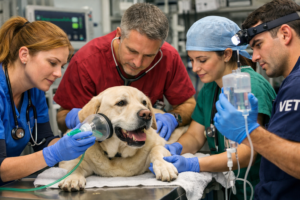 Why Dog Owners Often Miss the Signs of an Emergency
One of the biggest misconceptions about canine health is that serious illnesses always look dramatic.
In reality, many emergencies begin with subtle changes that are easy to overlook.A dog that suddenly becomes quieter than usual may be experiencing pain. A dog that refuses a favorite treat might be developing a gastrointestinal problem. Restlessness, pacing, hiding, or unusual behavior can sometimes be the first indicators that something isn’t right.
Veterinarians frequently see cases where owners assumed symptoms would improve on their own, only to discover that an underlying condition had become much more severe.
That’s not because pet owners are careless.
It’s because recognizing a true emergency isn’t always easy.The key is understanding which symptoms require immediate action and which ones deserve close monitoring.
Let’s start with the signs that should never be ignored.
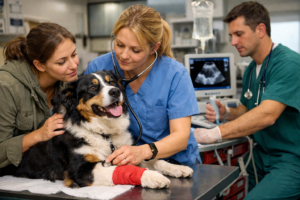
When “Waiting Until Tomorrow” Can Be Dangerous
Most minor health issues can safely wait for a scheduled veterinary appointment.A mild skin irritation, occasional sneezing, or temporary decrease in appetite may not require emergency treatment.
However, certain conditions can deteriorate surprisingly fast.Breathing difficulties can quickly reduce oxygen levels throughout the body. Gastric dilatation-volvulus (GDV), commonly known as bloat, can cut off blood flow to vital organs. Poisoning may begin damaging the liver, kidneys, or nervous system long before visible symptoms appear.In situations like these, every hour matters.
That’s why veterinarians often recommend a simple rule: if your dog’s ability to breathe, stand, urinate, eat, or remain conscious is affected, emergency veterinary care should be strongly considered.
The 15 Warning Signs Every Dog Owner Should Know
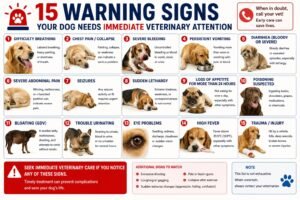
1. Difficulty Breathing
Few symptoms are as serious as breathing problems.
A dog struggling to breathe may pant excessively, breathe rapidly, stretch its neck forward, wheeze, or appear unable to get comfortable. Some dogs may stand with their elbows positioned away from their body in an effort to expand their chest and get more air.
Breathing difficulties can be caused by heart disease, pneumonia, allergic reactions, airway obstructions, heatstroke, or trauma.Because oxygen is essential for every organ in the body, delaying treatment can quickly become dangerous.
2. A Swollen or Distended Abdomen
A bloated stomach may seem like a digestive issue, but in some cases it can signal one of the most dangerous emergencies in veterinary medicine.
Gastric Dilatation-Volvulus (GDV), or bloat, occurs when the stomach fills with gas and twists. Once this happens, blood flow becomes restricted and organs begin to suffer.
Dogs with bloat often pace, drool excessively, appear restless, and repeatedly attempt to vomit without producing anything.Without immediate treatment, the condition can become fatal within hours.
3. Sudden Collapse or Loss of Consciousness
A dog that collapses unexpectedly should always be examined immediately.Collapse can result from heart disease, internal bleeding, severe infections, poisoning, neurological disorders, or heatstroke.
Even if your dog appears to recover after a few minutes, the underlying cause may still be life-threatening.
4. Seizures
Watching your dog experience a seizure can be terrifying.
Seizures may involve muscle twitching, uncontrolled movements, drooling, loss of consciousness, or paddling motions of the legs.
While some dogs live with managed seizure disorders, a first-time seizure, prolonged seizure, or multiple seizures occurring close together requires urgent veterinary evaluation.
5. Repeated Vomiting
Many dogs vomit occasionally.However, repeated vomiting is a different story.
Frequent vomiting can lead to dehydration and may indicate poisoning, intestinal obstruction, pancreatitis, infection, or organ dysfunction.
If blood is present or your dog becomes lethargic, immediate medical attention is recommended.
6. Severe Diarrhea
Persistent diarrhea can quickly become dangerous, particularly in puppies, senior dogs, and pets with existing health conditions.
Severe diarrhea can result in dehydration, electrolyte imbalances, and weakness. Bloody diarrhea is especially concerning and may indicate infection, parasites, poisoning, or hemorrhagic gastroenteritis.
7. Pale, White, Blue, or Gray Gums
Healthy dog gums are typically pink. Changes in gum color can indicate serious problems including blood loss, shock, oxygen deprivation, heart disease, or poisoning.
Blue or gray gums are particularly alarming because they often indicate inadequate oxygen circulation.
8. Inability to Urinate
Many pet owners don’t realize that urinary blockages are emergencies.
If your dog repeatedly attempts to urinate but produces little or no urine, immediate veterinary care is necessary.
Left untreated, urinary obstructions can cause kidney damage, severe pain, and life-threatening complications.
9. Severe Bleeding
Minor cuts are usually manageable, but uncontrolled bleeding is not.
Significant blood loss can quickly lead to shock.
If your dog is bleeding heavily, apply gentle pressure with a clean cloth while arranging emergency transportation to the veterinary clinic.
10. Poisoning or Toxic Ingestion
Dogs explore the world with their mouths, which unfortunately puts them at risk of consuming harmful substances.
Chocolate, grapes, raisins, xylitol, certain medications, cleaning products, rodenticides, and antifreeze are common causes of poisoning.One of the biggest mistakes owners make is waiting for symptoms to develop. Some toxins begin causing internal damage immediately.
If you suspect ingestion of a toxic substance, contact a veterinarian right away.
Some Emergencies Don’t Look Like Emergencies
This is where many pet owners get caught off guard.
Not every emergency involves dramatic symptoms. Sometimes the signs are surprisingly subtle.
A dog that suddenly becomes withdrawn, stops eating, or behaves unusually may be experiencing a serious medical issue that’s not immediately visible.
That’s why the remaining warning signs deserve just as much attention.
11. Extreme Lethargy
Every dog has lazy days.
But if your normally active dog suddenly seems unable or unwilling to move, something more serious may be happening.
Extreme lethargy can indicate infections, anemia, poisoning, internal bleeding, heart disease, or metabolic disorders.
12. Sudden Behavioral Changes
Behavior changes often provide important clues about your dog’s health.
A normally friendly dog that becomes aggressive, confused, anxious, or withdrawn may be experiencing pain, neurological issues, or systemic illness.
When these changes occur suddenly, veterinary evaluation is recommended.
13. Heatstroke
Heatstroke is one of the most common warm-weather emergencies.
Dogs cannot cool themselves as efficiently as humans and can overheat rapidly, especially during Indian summers. Excessive panting, drooling, weakness, vomiting, disorientation, and collapse are all warning signs. Without prompt treatment, heatstroke can become fatal.
14. Choking or Airway Obstruction
A dog that suddenly begins gagging, pawing at its mouth, or struggling to breathe may have an object lodged in its throat.
Because oxygen deprivation occurs quickly, choking should always be treated as an emergency.
15. Refusing Food for More Than 24 Hours
Most dogs love food.
When a dog refuses meals for an extended period, it’s often a sign that something isn’t right.
Loss of appetite can be associated with infections, gastrointestinal disease, liver disorders, kidney disease, pain, dental problems, or other serious medical conditions.
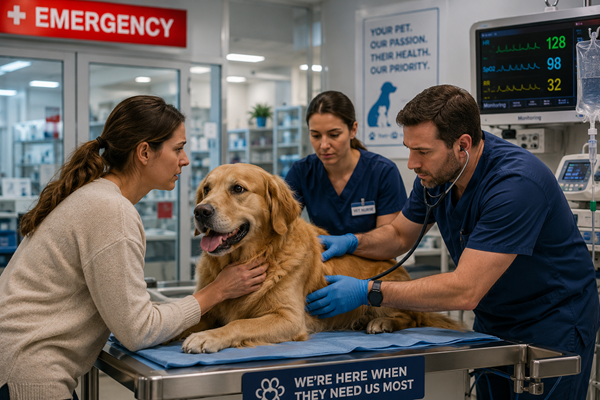
What Should You Do During a Pet Emergency?
When emergencies happen, panic is understandable.
However, remaining calm helps you make better decisions and can even reduce your dog’s stress. Call your veterinary clinic before leaving so the medical team can prepare for your arrival. If poisoning is suspected, bring any packaging or information related to the substance involved.
Avoid giving human medications unless specifically instructed by a veterinarian. Many common medications that are safe for people can be dangerous for dogs.
Most importantly, focus on getting professional medical assistance as quickly as possible.
How to Be Prepared Before an Emergency Happens
No pet owner expects an emergency.
That’s exactly why preparation matters.
Keep your veterinarian’s phone number easily accessible. Know the location of the nearest emergency animal hospital. Store vaccination records and medical history in a place that’s easy to access.
Having a basic pet first-aid kit can also be helpful during unexpected situations.
A few minutes of preparation today can save valuable time during a crisis.
Final Thoughts
Medical emergencies are every dog owner’s worst nightmare.
The good news is that recognizing the warning signs early can significantly improve your dog’s chances of recovery.
Difficulty breathing, seizures, poisoning, collapse, severe bleeding, bloat, and sudden behavioral changes should never be ignored. While some symptoms may ultimately turn out to be minor, it’s always safer to seek veterinary advice than to wait and hope the problem resolves on its own.
You know your dog better than anyone else.
If something feels wrong, trust your instincts.
Acting quickly could save your pet’s life.
Frequently Asked Questions
Q1- How do I know if my dog’s condition is an emergency?
ANSWER- If your dog is struggling to breathe, collapsing, experiencing seizures, unable to urinate, suffering severe bleeding, or showing signs of poisoning, seek immediate veterinary care.
Q2- Can I wait until morning to take my dog to the vet?
ANSWER- Some conditions can wait, but symptoms such as breathing difficulties, severe trauma, poisoning, seizures, or collapse should never be delayed.
Q3- What are the first signs of bloat in dogs?
ANSWER- Restlessness, excessive drooling, abdominal swelling, pacing, and repeated unsuccessful attempts to vomit are common early signs.
Q4- Can heatstroke kill a dog?
ANSWER- Yes. Heatstroke is a life-threatening emergency that can cause organ failure if not treated promptly.
Q5- What should I do if my dog eats something toxic?
ANSWER- Contact a veterinarian immediately, even if your dog appears normal. Early treatment often leads to the best outcome.