Bringing a pet home feels exciting in the beginning — the tiny paws, playful energy, and those first moments of bonding.
But after the excitement settles, most new pet owners realize something important: pets need much more than food and toys.
They need routine, patience, attention, healthcare, emotional support, and most importantly, consistency.
Whether you recently adopted a puppy, kitten, or another furry companion, this guide covers practical and realistic pet care tips that actually help in day-to-day life. We’ve written this article in a simple, human-friendly way so first-time pet owners can easily follow it without feeling overwhelmed.
If you’re searching for beginner pet care tips, dog care advice, kitten care routines, or how to keep your pet healthy and happy, this guide is for you.
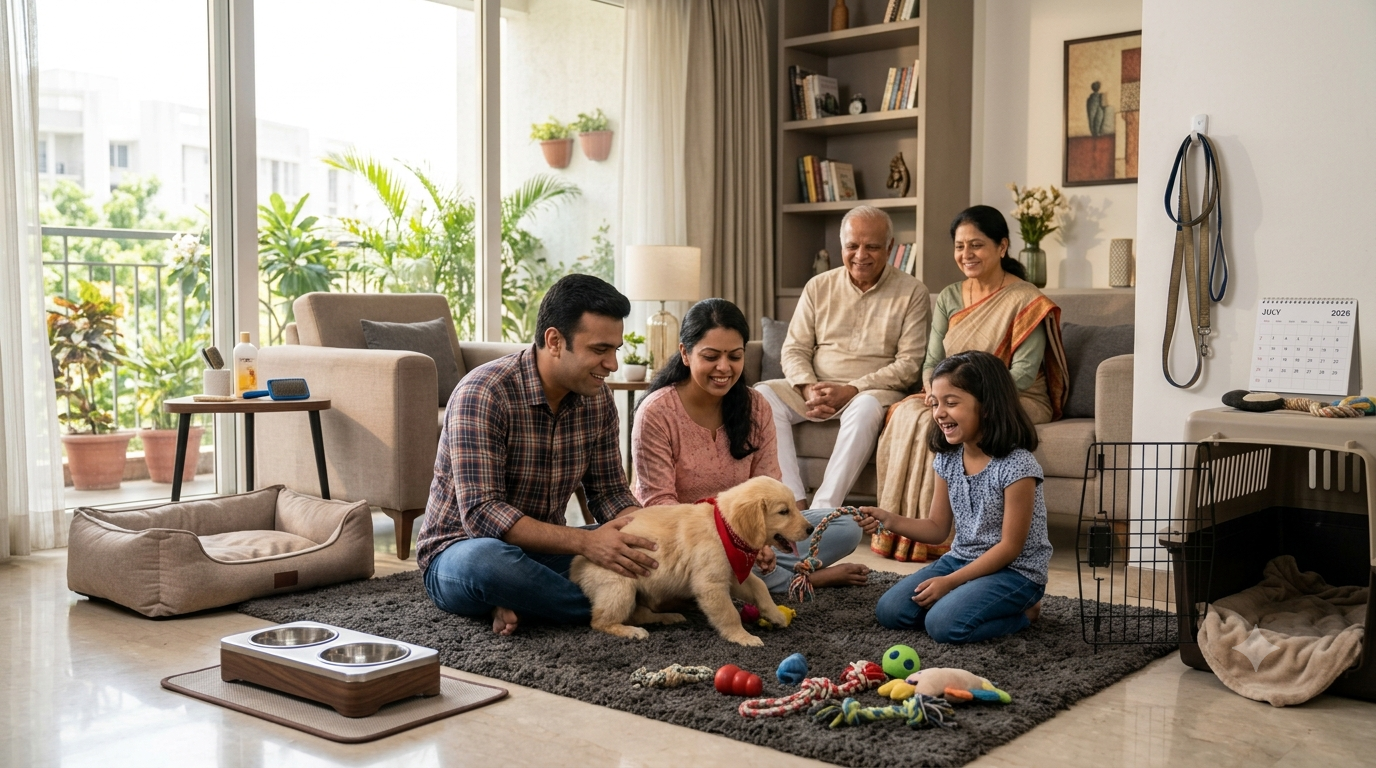
[IMAGE PLACEHOLDER: Happy new pet owner with puppy at home]
1. Don’t Buy a Pet Impulsively
One of the biggest mistakes new owners make is choosing a pet based only on appearance or trends.
A Husky may look beautiful on Instagram, but they require heavy exercise and grooming. Similarly, some cat breeds are more independent while others constantly seek attention.
Before getting a pet, ask yourself:
• How much time can I realistically give daily?
• Can I manage grooming and medical costs?
• Is my home suitable for an active pet?
• Do I travel frequently?
Choosing the right pet according to your lifestyle makes everything easier later.
2. Set Up a Comfortable Space Before They Arrive
Pets feel anxious in a new environment. A dedicated corner helps them feel safe faster.
Keep these basics ready:
• Comfortable bed
• Food and water bowls
• Pet food
• Toys
• Collar and leash
• Litter box (for cats)
Also remove:
• Exposed wires
• Toxic plants
• Sharp objects
• Chocolates and medicines
A calm environment during the first few days makes a huge difference in your pet’s behavior.
3. Don’t Ignore the Importance of Routine
Pets thrive on consistency.
Feeding them at random times, irregular walks, or inconsistent sleep schedules can confuse them and even create behavioral issues.
Try to maintain:
• Fixed meal timings
• Daily walk schedule
• Toilet routine
• Playtime
• Sleep schedule
Dogs especially learn faster when life becomes predictable.
4. Feeding Your Pet Properly Matters More Than Expensive Toys
A lot of first-time owners spend heavily on accessories but ignore nutrition.
Good-quality pet food improves:
• Energy levels
• Digestion
• Skin and coat health
• Immunity
• Overall growth
Avoid feeding too much human food. Some foods are actually dangerous for pets.
Foods to avoid:
• Chocolate
• Grapes
• Onions
• Garlic
• Excess sugar
• Caffeine
Always provide fresh water throughout the day.
Popular pet food brands include Royal Canin, Farmina, Pedigree, and Whiskas.
[IMAGE PLACEHOLDER: Relevant image for section – 4. Feeding Your Pet Properly Matters More Than Expensive Toys]
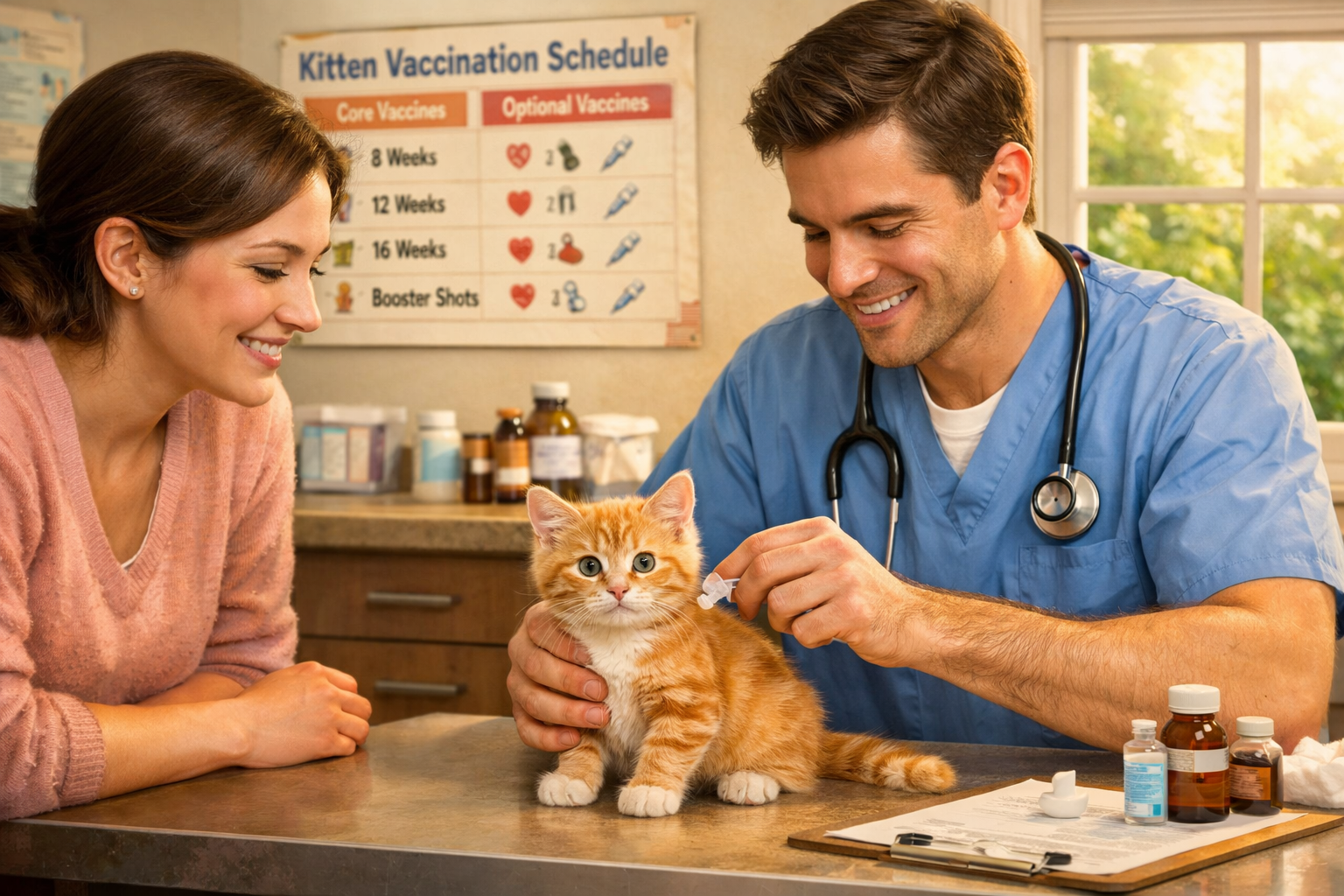
5. Vaccinations and Vet Visits Are Non-Negotiable
Even if your pet looks healthy, regular veterinary checkups are extremely important.
Routine vet visits help with:
• Vaccinations
• Deworming
• Flea and tick prevention
• Dental health
• Early disease detection
Many serious illnesses can be prevented with timely vaccinations.
If you’re looking for professional pet healthcare support in Gurgaon, keep your vet’s contact saved for emergencies and regular consultations.
6. Training Starts From Day One
Most pet owners wait too long before starting training.
The truth is, pets begin learning from the first day itself.
Start with simple things:
• Name recognition
• Sit command
• Toilet training
• Leash walking
• Basic boundaries
Use positive reinforcement instead of shouting.
Small rewards and praise work far better than punishment.
7. Socialization Is Extremely Important
A poorly socialized pet often becomes fearful or aggressive later.
Slowly expose your pet to:
• New people
• Different sounds
• Outdoor environments
• Other pets
This helps them become more confident and emotionally balanced.
The early months are the most important for puppy and kitten social development.
8. Exercise Isn’t Optional
Lack of exercise causes:
• Weight gain
• Anxiety
• Hyperactivity
• Destructive behavior
Daily walks and active play improve both physical and mental health.
Some easy activities include:
• Fetch games
• Running
• Tug toys
• Interactive cat toys
• Sniffing games
Even indoor pets need stimulation.
[IMAGE PLACEHOLDER: Relevant image for section – 8. Exercise Isn’t Optional]
9. Grooming Is About Health, Not Just Looks
Regular grooming prevents several health problems.
Basic grooming includes:
• Brushing fur
• Nail trimming
• Ear cleaning
• Bathing when needed
• Dental hygiene
Long-haired breeds especially require regular coat maintenance.
If you notice excessive scratching, hair fall, or skin redness, consult a vet immediately.
10. Learn to Understand Your Pet’s Emotions
Pets communicate through body language.
Signs your pet may be stressed:
• Hiding
• Aggression
• Excessive barking or meowing
• Loss of appetite
• Tail tucked down
New pets need time to adjust.
Many owners expect instant bonding, but trust develops slowly through patience and consistency.
11. Mental Stimulation Is Often Ignored
A bored pet can become destructive.
Mental stimulation helps reduce anxiety and improves behavior.
Simple ideas:
• Puzzle toys
• Training sessions
• Treat games
• Hide-and-seek
• Interactive feeding toys
Mental exercise is just as important as physical exercise.
12. Be Patient During the Adjustment Phase
Every pet adjusts differently.
Some become comfortable within days while others take weeks.
A helpful concept many vets follow is the 3-3-3 rule:
• First 3 days: overwhelmed
• First 3 weeks: adjusting
• First 3 months: building trust
Patience matters more than perfection.
Frequently Asked Questions
What are the most important pet care tips for beginners?
Focus on nutrition, regular vet visits, exercise, grooming, routine, and proper training from the beginning.
How often should I take my pet to the vet?
Healthy pets should ideally visit the vet at least once a year, while puppies and kittens may require more frequent checkups.
What foods should pets avoid?
Avoid chocolate, grapes, onions, garlic, caffeine, and processed sugary foods.
How can I reduce anxiety in a new pet?
Maintain a calm environment, avoid overwhelming situations, and follow a consistent daily routine.
How much exercise does a dog need daily?
Depending on breed and age, most dogs require at least 30 minutes to 2 hours of daily activity.
Final Thoughts
Becoming a pet owner changes your daily life in many beautiful ways.
There will be messy days, unexpected vet visits, chewed-up furniture, and sleepless nights — but there will also be loyalty, comfort, and companionship that’s hard to describe.
The goal isn’t to become a perfect pet parent overnight.
The goal is to stay consistent, patient, and caring.
With proper nutrition, healthcare, training, and emotional bonding, your pet will become a happy and healthy part of your family for years to come.
For professional veterinary care and pet wellness support, visit Vets in Gurgaon: https://vetsingurgaon.com