When your pet needs surgery, every decision suddenly feels more important.
A dog that has torn a cruciate ligament can barely walk. A cat that has swallowed a sewing needle needs immediate intervention. A pet diagnosed with a tumor may require surgery to improve both quality of life and long-term health. In these situations, choosing the right veterinary surgeon isn’t simply about finding the nearest clinic—it’s about placing your pet in the hands of a professional with the experience, facilities, and surgical expertise to deliver the best possible outcome.
Over the last few years, Gurgaon has emerged as one of India’s leading destinations for advanced veterinary care. Alongside neighborhood pet clinics, the city now has several multi-specialty animal hospitals equipped with modern operation theatres, digital radiology, ultrasound, in-house laboratories, orthopedic surgery, minimally invasive procedures, intensive care units (ICUs), and post-operative rehabilitation services. This means many conditions that previously required referral to larger metropolitan centers can now be treated locally.
However, not every veterinary clinic performs advanced surgeries. Some focus primarily on preventive healthcare, vaccinations, and routine consultations, while others are designed to manage complex orthopedic procedures, emergency abdominal operations, tumor removal, fracture fixation, neurological cases, and minimally invasive diagnostics.
For pet owners, the challenge isn’t simply finding a veterinary surgeon in Gurgaon. It’s identifying one with the right experience, appropriate infrastructure, and a treatment approach that matches their pet’s medical condition.
This guide explains what veterinary surgeons do, how they differ from general veterinarians, what surgeries they commonly perform, how to choose the right specialist, and highlights some of the most trusted veterinary surgeons and surgical hospitals in Gurgaon based on experience, facilities, reputation, and range of services.

What Does a Veterinary Surgeon Do?
Many pet owners assume every veterinarian performs all types of surgeries. In reality, veterinary medicine includes different areas of expertise.
A general veterinarian typically manages preventive healthcare, vaccinations, routine illnesses, nutritional advice, parasite control, skin diseases, ear infections, and minor procedures. They play a vital role in keeping pets healthy throughout their lives.
A veterinary surgeon, on the other hand, is responsible for diagnosing and treating conditions that require operative intervention. These procedures often involve advanced anesthesia, specialized surgical equipment, intensive monitoring, and comprehensive post-operative care.
Veterinary surgeons regularly perform orthopedic procedures, abdominal surgeries, soft tissue operations, emergency trauma surgery, tumor removal, reproductive surgeries, dental surgery, and minimally invasive procedures such as endoscopy. Many also work closely with diagnostic imaging specialists, anesthetists, rehabilitation therapists, and critical care teams to provide complete treatment from diagnosis through recovery.
This collaborative approach is particularly important for complicated cases where surgery is only one part of the overall treatment plan.
Why Choosing the Right Veterinary Surgeon Matters
Surgery involves much more than the operation itself. Every successful procedure begins with an accurate diagnosis, careful planning, safe anesthesia, and meticulous post-operative monitoring.
An experienced veterinary surgeon evaluates your pet’s overall health before recommending surgery. Blood tests, digital X-rays, ultrasound examinations, or other diagnostic investigations help determine whether surgery is necessary and identify any underlying conditions that may influence anesthesia or recovery.
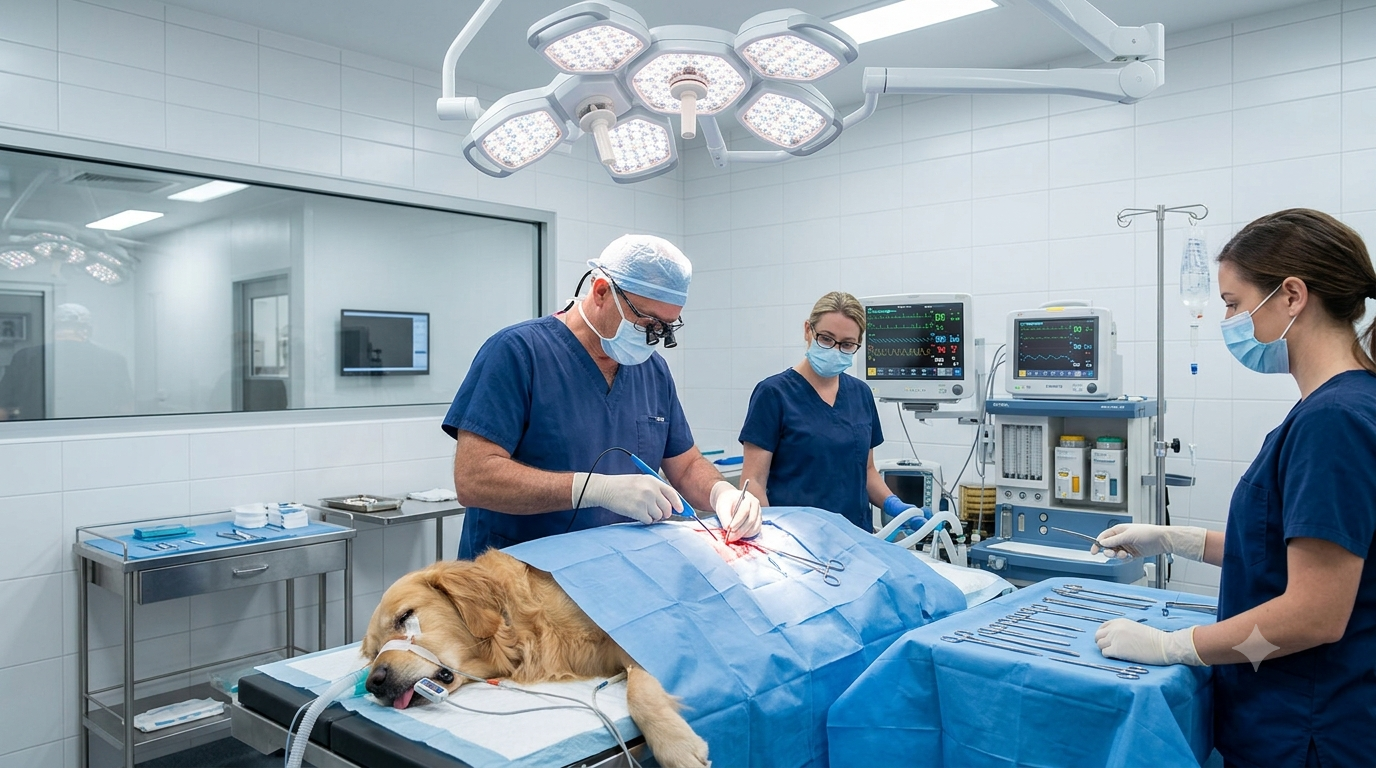
Modern surgical hospitals also use advanced monitoring equipment throughout the procedure. Heart rate, oxygen saturation, blood pressure, body temperature, and breathing are continuously monitored while trained veterinary teams manage anesthesia and pain control.
After surgery, proper pain management, hospitalization, wound care, nutritional support, and rehabilitation all contribute to a smoother recovery.

What Makes an Excellent Veterinary Surgeon?
Experience remains one of the most important considerations, but it should never be the only factor.
A good veterinary surgeon combines clinical knowledge with sound judgment, excellent communication, and access to modern medical infrastructure. They should be comfortable performing both routine and complex procedures while explaining treatment options clearly and honestly.
Hospitals equipped with digital radiology, ultrasound, in-house pathology laboratories, sterile operation theatres, intensive care units, advanced anesthesia monitoring, and emergency services are generally better prepared to manage unexpected complications if they arise.
Equally important is communication. The best surgeons take time to explain the diagnosis, discuss available treatment options, outline potential risks, estimate recovery timelines, and provide transparent cost estimates before surgery begins.
Rather than making unrealistic promises, experienced surgeons focus on helping pet owners make informed decisions based on their pet’s individual medical needs.

Common Types of Veterinary Surgery
Veterinary surgeons perform a wide range of procedures depending on the species, age, and medical condition of the patient.
Orthopedic surgery is among the most specialized areas and includes fracture repair, cruciate ligament surgery (including TPLO procedures), hip surgery, joint stabilization, and treatment for developmental orthopedic disorders.
Soft tissue surgery covers procedures involving internal organs and body tissues. These include foreign body removal, intestinal surgery, bladder stone removal, cesarean sections, spleen surgery, liver procedures, hernia repair, wound reconstruction, and emergency abdominal operations.
Tumor removal is another important area of veterinary surgery. Depending on the diagnosis, surgeons may remove skin masses, mammary tumors, oral growths, or internal tumors while working closely with pathology laboratories to guide further treatment.
Dental surgery has also become increasingly common. Procedures such as tooth extractions, treatment of fractured teeth, oral tumor removal, and management of advanced dental disease often require general anesthesia and specialized equipment.
Many referral hospitals now also perform minimally invasive procedures such as gastrointestinal endoscopy, allowing veterinarians to diagnose digestive disorders or remove swallowed foreign objects without making large surgical incisions. This can reduce pain, shorten recovery time, and decrease the length of hospitalization for suitable cases.
In addition, some advanced centers now offer laparoscopic procedures for selected conditions, further reducing surgical trauma and improving patient comfort.

1. SKRD Multi-speciality Veterinary Hospital
Among the well-established veterinary hospitals in Gurgaon, SKRD Multi-speciality Veterinary Hospital has earned a strong reputation for managing both routine and advanced surgical cases. The hospital is known for its multidisciplinary approach, combining experienced veterinary surgeons with modern diagnostic facilities, intensive care support, and comprehensive post-operative management.
The surgical team regularly performs orthopedic procedures, soft tissue surgeries, emergency operations, tumor removal, wound reconstruction, reproductive surgeries, and fracture management. Patients also benefit from digital imaging, laboratory diagnostics, anesthesia monitoring, hospitalization, and critical care facilities that help ensure safer surgical outcomes.
For pet owners whose animals require more than routine treatment, hospitals like SKRD offer the advantage of having diagnostics, surgery, recovery, and follow-up care available under one roof.
2. Dr. Bijender Ruhil – Dr. Ruhil’s Pet Clinic
With more than two decades of clinical experience, Dr. Bijender Ruhil has become one of Gurgaon’s familiar names in veterinary medicine. His practice handles preventive healthcare alongside surgical management, making it a preferred option for pet owners looking for continuity of care.
Routine soft tissue surgeries, wound repair, sterilization procedures, lump removal, and various general surgical interventions are commonly performed. Many pet owners appreciate the clinic’s emphasis on explaining treatment options clearly before recommending surgery, allowing families to make informed decisions based on their pet’s condition.
3. Dr. Anuj Synghal – Pet Care & Surgery
With several decades of veterinary experience, Dr. Anuj Synghal is regarded by many pet owners as one of Gurgaon’s experienced veterinary surgeons for both routine and complicated surgical cases.
The clinic manages orthopedic conditions, abdominal surgeries, emergency procedures, reproductive surgeries, and soft tissue operations while also providing routine veterinary care. The combination of clinical experience and individualized patient management has helped build long-term trust among many local pet owners.
4. Cessna Lifeline Veterinary Hospital
Cessna Lifeline Veterinary Hospital has developed into one of Gurgaon’s leading referral centres for advanced veterinary medicine and surgery.
The hospital provides comprehensive surgical care supported by sophisticated diagnostics, digital radiology, ultrasound, pathology services, intensive care units, and experienced emergency teams. Orthopedic surgery, gastrointestinal surgery, tumor removal, soft tissue procedures, and emergency operations are routinely performed for dogs, cats, and other companion animals.
Many veterinarians also refer challenging medical and surgical cases to multi-specialty hospitals like Cessna when specialist evaluation or advanced surgical facilities are required.
5. CGS Veterinary Hospital
CGS Veterinary Hospital has established itself as a comprehensive referral hospital offering surgery alongside advanced rehabilitation and diagnostic services.
Its multidisciplinary approach allows pets to receive consultation, imaging, surgery, hospitalization, physiotherapy, hydrotherapy, rehabilitation, and follow-up treatment within the same facility. This integrated model is particularly beneficial for orthopedic patients that require structured rehabilitation after surgery.
The hospital performs fracture repair, ligament surgery, tumor removal, abdominal procedures, endoscopy, emergency surgery, and various complex medical interventions.
6. Élite Vets Advanced Petcare
Élite Vets Advanced Petcare is one of Gurgaon’s modern multi-specialty veterinary hospitals offering advanced surgical and medical care for companion animals.
The hospital provides specialty services across orthopedic surgery, neurology, oncology, ophthalmology, dentistry, intensive care, physiotherapy, advanced imaging, and emergency medicine. This broad clinical infrastructure enables pets with complex medical conditions to receive coordinated treatment from diagnosis through recovery.
Its emphasis on advanced diagnostics and multidisciplinary care makes it a valuable option for complicated referral cases requiring specialist evaluation.
7. Vetic Pet Clinics
Vetic has rapidly expanded across Gurugram with multiple clinics providing standardized veterinary services supported by modern technology and digital medical records.
While many branches focus on preventive healthcare and routine consultations, several centres also offer surgical procedures including sterilization, dental surgery, wound repair, soft tissue surgery, diagnostics, hospitalization, and emergency treatment.
For many pet owners, the convenience of multiple locations combined with structured appointment systems makes Vetic a practical choice for both routine and surgical veterinary care.
Common Veterinary Surgery Costs in Gurgaon (2026)
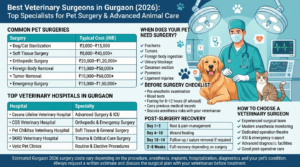
One of the first questions pet owners ask after hearing that surgery is needed is, “How much will it cost?”
The answer depends on several factors, including the type of surgery, your pet’s size, anesthesia requirements, hospitalization, diagnostic testing, medications, and post-operative care. Complex orthopedic procedures naturally cost more than routine sterilization surgeries because they require specialized implants, longer operating times, advanced equipment, and extended rehabilitation.
As a general estimate, routine spay or neuter surgeries in Gurgaon often range from ₹4,000 to ₹12,000, depending on the hospital and the pet’s size. Soft tissue procedures such as lump removal, wound reconstruction, or hernia repair generally range between ₹8,000 and ₹25,000.
Emergency abdominal surgeries, including foreign body removal or intestinal obstruction surgery, may cost ₹20,000 to ₹60,000 or more, particularly if intensive care or prolonged hospitalization is required.
Orthopedic procedures such as fracture fixation or TPLO surgery for cruciate ligament injuries can range from ₹35,000 to over ₹1,20,000, depending on the complexity of the case, implants used, and rehabilitation needs.
Most hospitals also charge separately for blood tests, digital X-rays, ultrasound examinations, anesthesia, medications, hospitalization, pathology, and follow-up consultations. Requesting a detailed written estimate before surgery helps pet owners understand the complete treatment cost and avoid unexpected expenses.
What Happens Before Surgery?
Successful surgery begins long before your pet enters the operating theatre.
The first step is a comprehensive consultation, during which the veterinary surgeon performs a physical examination and reviews your pet’s medical history. Depending on the condition, diagnostic investigations such as blood tests, digital X-rays, ultrasound scans, or other imaging studies may be recommended to confirm the diagnosis and assess overall health.
These tests are especially important before general anesthesia because they help identify underlying liver, kidney, heart, or metabolic conditions that could influence anesthetic safety or surgical planning.
Once surgery has been recommended, the veterinarian explains the diagnosis, treatment options, expected outcome, possible risks, estimated recovery period, and overall cost. This discussion allows pet owners to make informed decisions while preparing both emotionally and financially.
Before the procedure, pets are usually required to fast for several hours to reduce the risk of complications during anesthesia. Your veterinarian will also advise whether any regular medications should be continued or temporarily discontinued before surgery.

Modern Anesthesia Makes Surgery Safer
For many pet owners, anesthesia is often more worrying than the surgery itself. Fortunately, advances in veterinary anesthesia have made modern surgical procedures considerably safer than they were even a decade ago.
Before anesthesia begins, your pet undergoes a thorough assessment to determine the safest anesthetic protocol based on age, breed, weight, medical history, and laboratory results.
During surgery, trained veterinary professionals continuously monitor heart rate, breathing, blood pressure, oxygen saturation, body temperature, and anesthetic depth using specialized monitoring equipment. Intravenous fluids, oxygen support, pain medications, and emergency drugs remain readily available throughout the procedure.
This level of monitoring allows the surgical team to respond immediately if any changes occur, helping maintain patient stability from the beginning of surgery until recovery.
What Happens on the Day of Surgery?
Understanding the surgical process can help reduce anxiety and prepare you for what to expect when your pet is admitted to the hospital.
Most veterinary hospitals ask owners to bring their pets in the morning after the recommended fasting period. Upon arrival, the veterinary team performs a final physical examination, reviews the medical history, confirms the planned procedure, and answers any remaining questions before obtaining surgical consent.
A small intravenous catheter is usually placed to administer fluids, medications, and anesthesia safely. Once your pet is comfortably anesthetized, the surgical area is clipped, cleaned thoroughly, and prepared under sterile conditions to minimize the risk of infection.
Throughout the operation, trained veterinary professionals continuously monitor your pet’s heart rate, breathing, oxygen levels, blood pressure, body temperature, and anesthetic depth using advanced monitoring equipment.
After surgery, your pet is transferred to a recovery area where the veterinary team closely observes the return to consciousness, manages pain, and ensures that vital signs remain stable before discharge or hospitalization.
For more complex procedures, overnight monitoring may be recommended to provide additional pain management, intravenous fluids, and immediate medical attention if required.
Recovery After Veterinary Surgery
The operation itself is only one part of successful treatment. Proper post-operative care plays an equally important role in helping pets heal safely and comfortably.
Recovery time varies depending on the procedure performed. Routine surgeries such as sterilization often allow pets to return to normal activities within a couple of weeks, while orthopedic procedures may require several weeks or even months of carefully managed rehabilitation.
Most surgeons prescribe pain medications, antibiotics where necessary, and detailed home-care instructions before discharge. Pet owners should administer medications exactly as directed and avoid discontinuing them without consulting the veterinarian.
Incisions should be inspected daily for redness, swelling, discharge, or excessive licking. Elizabethan collars or recovery suits are often recommended to prevent pets from chewing or scratching the surgical site.
Restricted exercise is equally important. Running, jumping, climbing stairs, or rough play too soon after surgery can delay healing or even damage the surgical repair.
Follow-up appointments allow the surgeon to assess wound healing, remove sutures when appropriate, evaluate recovery, and gradually approve increased activity levels.

Rehabilitation Can Speed Up Recovery
For many orthopedic and neurological patients, rehabilitation does not end when the stitches are removed.
Modern veterinary hospitals increasingly recommend physiotherapy, hydrotherapy, therapeutic exercises, and structured rehabilitation programs to rebuild muscle strength, improve joint mobility, and restore normal movement after surgery.
Hydrotherapy has become particularly valuable because it allows dogs to exercise while placing significantly less stress on healing joints and bones. The buoyancy of water supports body weight while providing gentle resistance that strengthens muscles and improves flexibility.
Your veterinary surgeon will recommend rehabilitation only when your pet has healed sufficiently and is medically ready to begin controlled exercise.
Signs Your Pet May Need Emergency Surgery
While some surgical procedures are planned well in advance, others require immediate veterinary attention.
Contact a veterinary hospital without delay if your pet develops persistent vomiting after swallowing an object, severe abdominal swelling, difficulty breathing, fractures following trauma, uncontrolled bleeding, inability to urinate, sudden paralysis, deep bite wounds, or collapse.
Rapidly growing tumors, severe eye injuries, infected uterus (pyometra), intestinal obstruction, and gastric dilatation-volvulus (GDV or bloat) are also emergencies that often require immediate surgical intervention.
Delaying treatment in these situations can significantly reduce the chances of a successful recovery. Early diagnosis and prompt surgery frequently improve both survival rates and long-term outcomes.
Questions Every Pet Owner Should Ask Before Surgery
Choosing surgery is a major decision, and understanding the treatment plan can give you greater confidence throughout the process.
Ask your veterinary surgeon about the exact diagnosis, whether non-surgical alternatives are available, the expected success rate, possible complications, anesthesia protocol, estimated recovery timeline, hospitalization requirements, and the total cost of treatment, including medications and follow-up visits.
It is also helpful to discuss activity restrictions after surgery, nutritional recommendations, rehabilitation options, and the warning signs that should prompt an immediate return to the hospital.
An experienced surgeon will welcome these questions and explain the procedure in language that is easy to understand, helping you make informed decisions for your pet.

How to Choose the Best Veterinary Surgeon in Gurgaon
With numerous veterinary hospitals now offering surgical services, selecting the right surgeon involves looking beyond consultation fees or online ratings.
Experience with the specific procedure your pet requires should be one of the first considerations. A surgeon who regularly performs orthopedic repairs, abdominal surgery, or complex soft tissue procedures is often better equipped to manage unexpected challenges during the operation.
Hospital infrastructure is equally important. Dedicated operation theatres, digital X-ray, ultrasound, in-house laboratory facilities, advanced anesthesia monitoring, intensive care units, and emergency support all contribute to safer surgical outcomes.
For complicated cases, choosing a multi-specialty hospital that offers surgery, diagnostics, physiotherapy, hydrotherapy, rehabilitation, and critical care under one roof can simplify treatment and provide better continuity of care.
Reading verified patient reviews, seeking recommendations from your regular veterinarian, and scheduling a consultation before committing to surgery can also help you evaluate the surgeon’s communication style, treatment philosophy, and overall approach to patient care.
Ultimately, the best veterinary surgeon is not simply the one with the highest ratings but the one whose experience, facilities, and treatment plan best match your pet’s individual medical needs.

Final Thoughts
Finding the best veterinary surgeon in Gurgaon involves much more than comparing consultation fees or choosing the closest clinic. Surgical expertise, modern hospital infrastructure, anesthesia safety, emergency preparedness, advanced diagnostics, and compassionate post-operative care all play an essential role in achieving the best possible outcome for your pet.
Whether your dog requires cruciate ligament repair, your cat needs emergency abdominal surgery, or your pet is scheduled for a routine sterilization procedure, Gurgaon is home to several highly experienced veterinary surgeons and multi-specialty hospitals capable of providing advanced medical and surgical care.
Taking the time to understand your pet’s condition, asking the right questions, and choosing a hospital with experienced surgeons and comprehensive facilities can make a significant difference in recovery, comfort, and long-term health. With timely intervention and proper post-operative care, many pets recover successfully and return to their normal, active lives.
For pet owners, surgery can feel overwhelming. However, working closely with a trusted veterinary surgeon and following the recommended treatment and rehabilitation plan gives your companion the best opportunity for a safe procedure, a smooth recovery, and many more healthy years ahead.