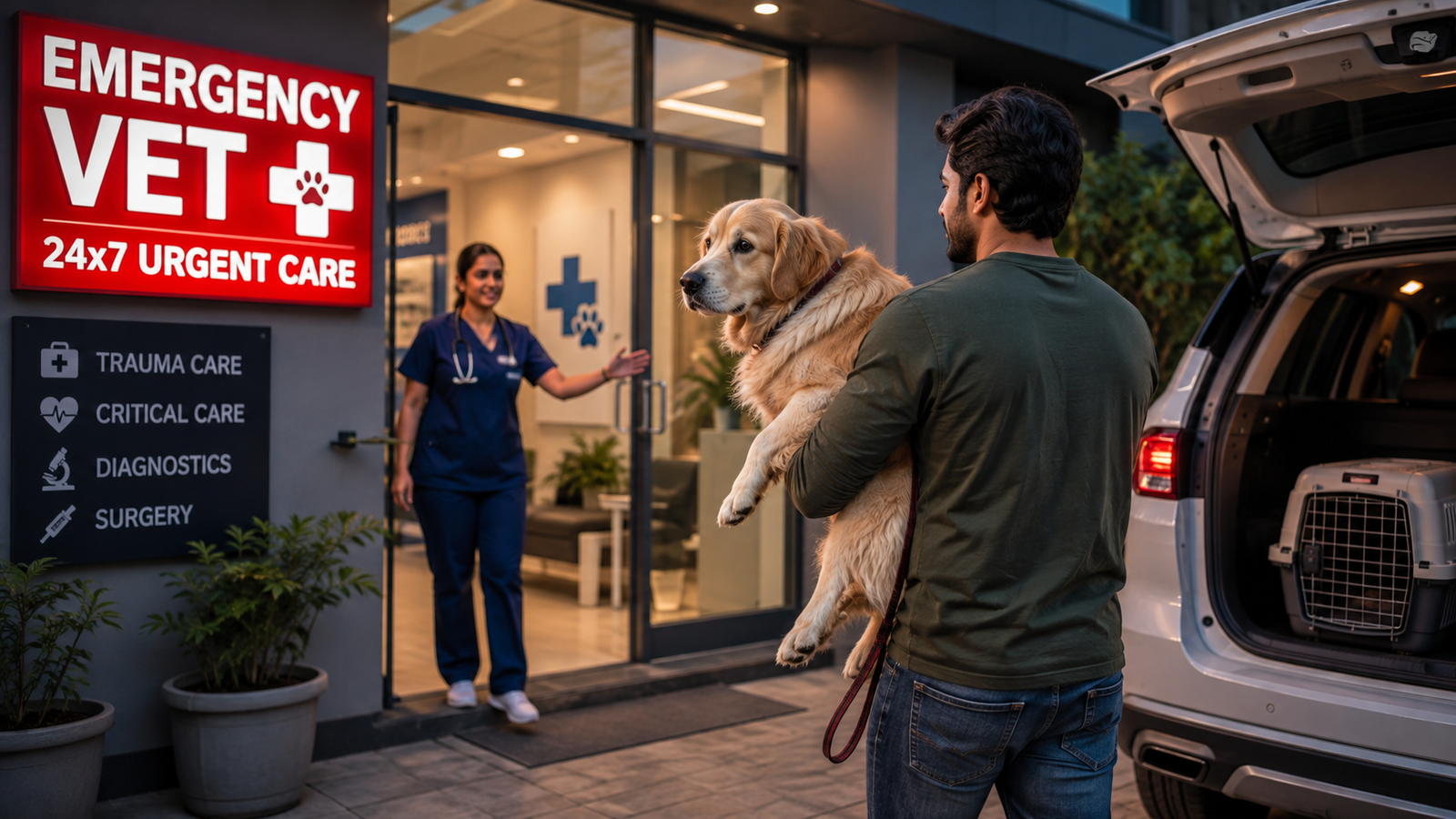
Pet emergencies rarely come with a warning.
One moment your dog is happily chasing a ball in the park, and the next, they’re limping, struggling to breathe, vomiting repeatedly, or showing signs that something is seriously wrong. In those moments, panic is natural. However, what often determines the outcome isn’t how worried you are—it’s how quickly and correctly you respond.
As pet ownership continues to grow across Gurgaon, so does the need for accessible and reliable emergency veterinary care. From heat stroke during the city’s scorching summers to road accidents, poisoning incidents, and sudden medical emergencies, veterinarians across Gurgaon handle a wide range of critical cases every day.
Understanding how emergency veterinary services work, what conditions require immediate attention, and how to prepare before a crisis occurs can help you make informed decisions when every minute matters.
Why Emergency Veterinary Care Is Different From a Regular Vet Visit
Most pet owners are familiar with routine veterinary appointments. Vaccinations, annual health checkups, dental care, and wellness consultations are usually planned in advance. Emergency veterinary care is entirely different.
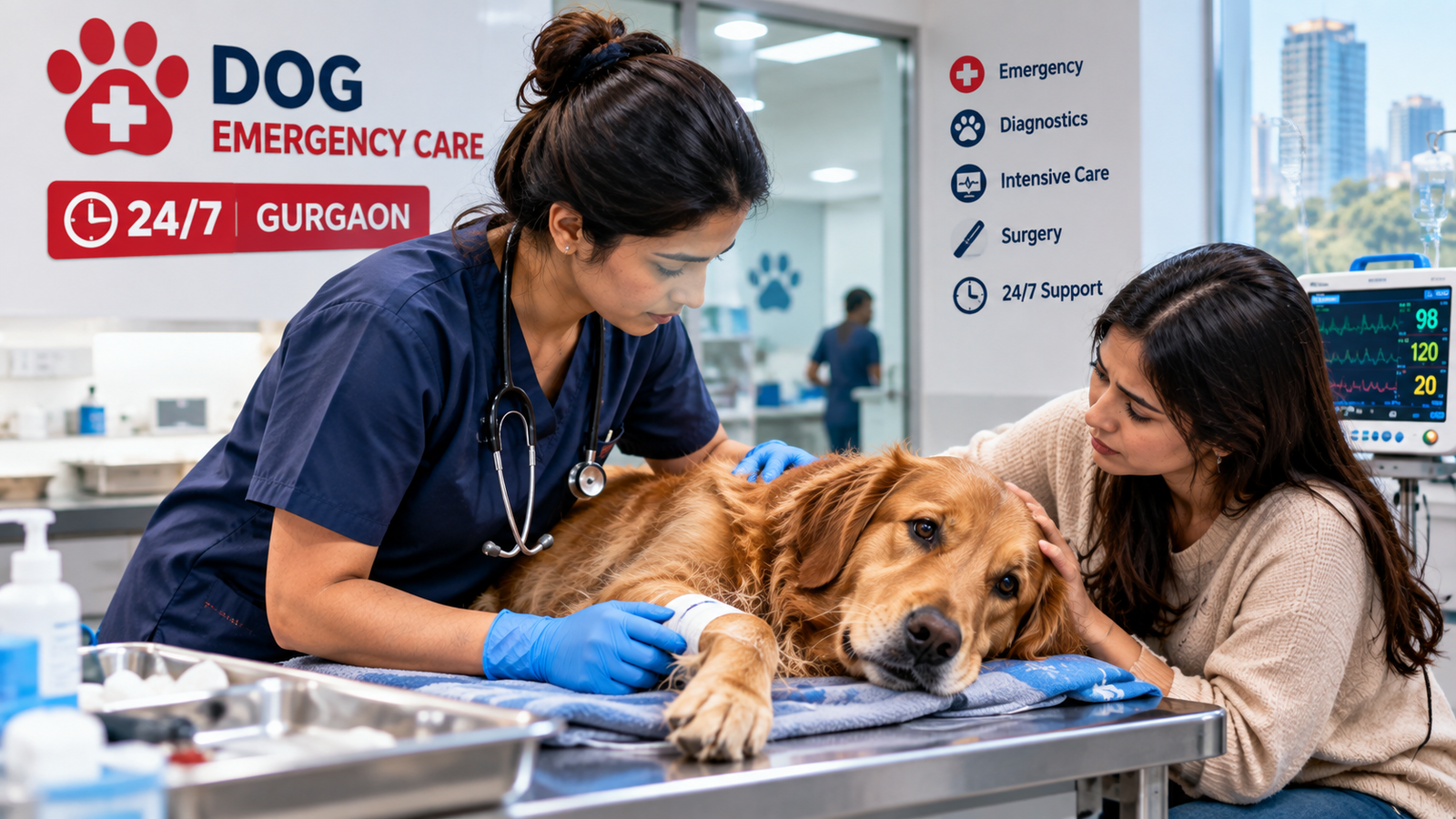
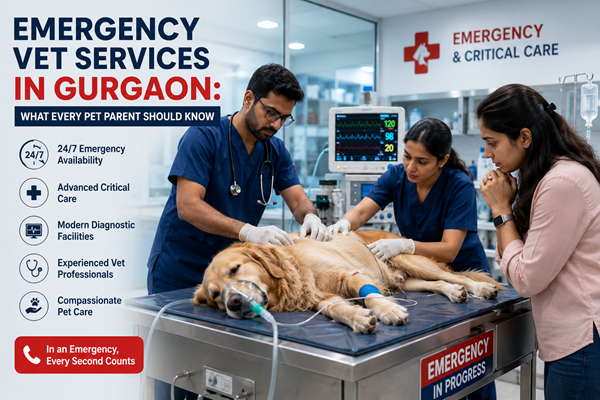
When a pet arrives at an emergency clinic, veterinarians focus first on stabilization rather than diagnosis. If a dog is struggling to breathe or a cat has suffered a traumatic injury, the veterinary team may immediately administer oxygen, intravenous fluids, pain relief, or emergency medications before conducting detailed tests.
This process, often referred to as triage, helps determine which patients require immediate life-saving intervention. Just like human emergency rooms, veterinary emergency hospitals prioritize the most critical cases first.
Because emergencies can occur at any hour, many advanced veterinary facilities invest in specialized equipment, diagnostic laboratories, surgical suites, hospitalization wards, and trained emergency teams capable of handling complex situations around the clock.
The Most Common Pet Emergencies Seen in Gurgaon
Living in a fast-growing urban city like Gurgaon presents unique challenges for pets and their owners.
Road traffic, construction activity, changing weather patterns, and dense residential communities all contribute to a variety of emergency situations that veterinarians encounter regularly.
Road accidents remain one of the most common reasons pets require urgent medical attention. Even when external injuries appear minor, internal bleeding, fractures, organ damage, or shock may not be immediately visible. This is why veterinary evaluation is essential after any significant trauma.
Poisoning incidents are another frequent concern. Curious pets often explore their environment using their mouths, which can expose them to harmful substances such as chocolate, household cleaners, medications, pesticides, rodenticides, and toxic plants. Many pet owners mistakenly attempt home remedies before consulting a veterinarian, potentially worsening the situation.
Respiratory distress is another emergency that should never be ignored. Difficulty breathing can be caused by allergies, infections, heart disease, heat stroke, trauma, or airway obstruction. Any pet showing signs of labored breathing should receive immediate veterinary care.

Gurgaon Summers and the Rising Risk of Heat Stroke
One emergency condition that deserves special attention in Gurgaon is heat stroke.
Summer temperatures frequently exceed 40°C, creating potentially dangerous conditions for pets. Dogs are particularly vulnerable because they regulate body temperature differently than humans. Flat-faced breeds such as Pugs, Bulldogs, French Bulldogs, and Shih Tzus are at even greater risk.
Heat stroke often develops faster than many pet parents realize. A short walk during peak afternoon temperatures or prolonged exposure to a poorly ventilated area can quickly lead to overheating.
Early symptoms may include excessive panting, drooling, restlessness, and weakness. As the condition progresses, pets may experience vomiting, collapse, seizures, and organ failure.
The good news is that heat stroke is largely preventable. Avoiding outdoor activities during the hottest hours of the day, ensuring constant access to fresh water, and providing adequate shade can significantly reduce the risk.
Tick-Borne Diseases Are More Common Than Many Pet Owners Think
Ticks are not just an annoyance—they can transmit serious diseases that sometimes become life-threatening if left untreated.
Veterinarians in Gurgaon frequently diagnose tick-borne illnesses such as Ehrlichiosis and Babesiosis. These diseases affect the blood and immune system and can progress rapidly without proper treatment.
The challenge is that symptoms often begin subtly. A pet may appear tired, eat less than usual, or develop a mild fever. Because these signs can resemble many other illnesses, owners sometimes delay seeking veterinary care.
Over time, however, tick-borne diseases can lead to anemia, bleeding disorders, weakness, and severe complications requiring hospitalization.
Routine tick prevention, regular grooming, and veterinary checkups remain the most effective ways to protect pets from these potentially dangerous conditions.
What Actually Happens Inside an Emergency Veterinary Hospital?
Many pet parents imagine that emergency treatment begins with a diagnosis. In reality, stabilization comes first.
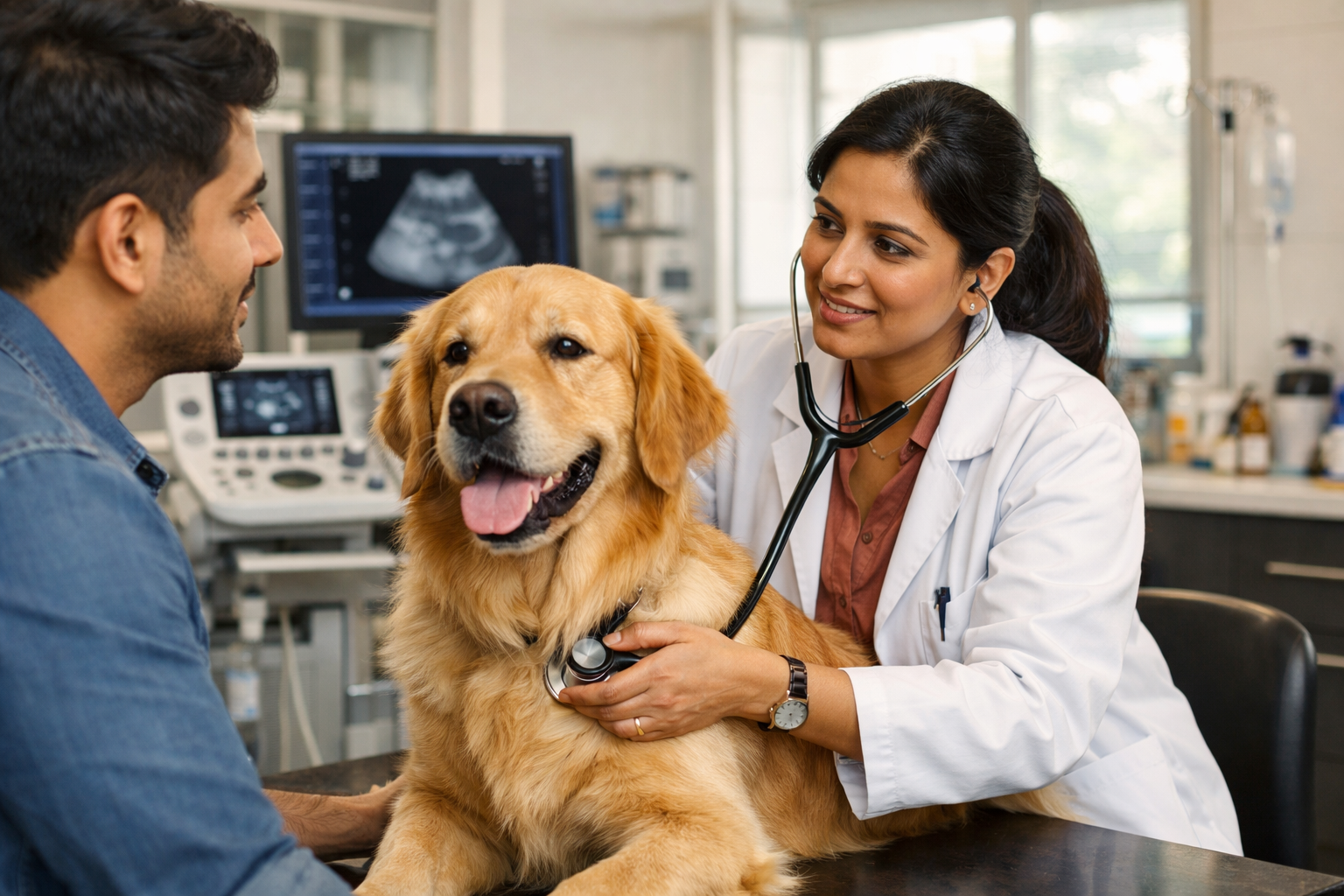
When a critically ill pet arrives at a veterinary hospital, the medical team immediately assesses vital signs, including breathing, heart rate, temperature, and blood circulation.
Depending on the situation, emergency treatment may involve oxygen therapy, intravenous fluids, pain management, wound care, blood testing, or emergency medications.
Once the pet is stable enough, veterinarians can perform diagnostic procedures such as X-rays, ultrasounds, ECG monitoring, and laboratory testing to determine the underlying cause of the problem.
Advanced veterinary hospitals in Gurgaon increasingly offer sophisticated diagnostic capabilities that allow veterinarians to make faster and more accurate treatment decisions. This can be particularly important in cases involving trauma, poisoning, internal bleeding, or organ dysfunction.

When Does a Pet Need Hospitalization or Intensive Care?
Not every emergency ends once the immediate crisis has been addressed.
Some conditions require ongoing monitoring and treatment over several hours or even days. Severe infections, major surgeries, poisoning cases, trauma injuries, respiratory conditions, and neurological disorders often require hospitalization.
Veterinary intensive care units provide continuous monitoring of vital signs and allow medical teams to respond quickly if complications arise.
For many pet parents, hearing that their pet needs hospitalization can feel overwhelming. However, intensive monitoring often plays a crucial role in recovery and can significantly improve outcomes for critically ill animals.
As veterinary medicine continues to advance, more hospitals in Gurgaon now offer specialized critical care services that were once available only in larger metropolitan centers.

How to Choose the Right Emergency Vet in Gurgaon
Most pet owners don’t start researching emergency hospitals until they actually need one. Unfortunately, that approach can waste valuable time during a crisis.
A better strategy is to identify emergency care providers before an emergency occurs.
Look for facilities that offer experienced veterinarians, diagnostic capabilities, surgical services, hospitalization options, and access to emergency treatment when needed. Location also matters. During a medical emergency, reducing travel time can make a meaningful difference.
It’s also worth understanding the difference between a general veterinary clinic and a multi-specialty pet hospital. While both play important roles, larger hospitals may be better equipped to handle complex emergencies involving surgery, intensive care, advanced diagnostics, or specialist consultations.
Resources such as VetsInGurgaon.com can help pet parents compare veterinary providers and identify suitable options across different areas of Gurgaon.

Creating a Pet Emergency Plan Could Save Valuable Time
One of the simplest yet most effective things a pet parent can do is create a pet emergency plan.
Think of it as the equivalent of having emergency contacts saved in your phone.
Keep veterinary contact information easily accessible. Store vaccination records, medical history, medication details, and insurance information in one location. Ensure all family members know which veterinary hospitals to contact and how to transport the pet safely.
It may seem unnecessary when your pet is healthy, but preparation often reduces stress and improves decision-making during emergencies.
Many experienced pet owners also maintain a small emergency kit containing bandages, gauze, antiseptic solution, medical records, and other essential supplies.

The Biggest Mistakes Pet Owners Make During Emergencies
In stressful situations, even responsible pet parents can make mistakes.
One of the most common is waiting too long. Hoping symptoms will improve overnight may seem reasonable, but delays can sometimes transform a manageable condition into a life-threatening emergency.
Another mistake is relying exclusively on internet searches rather than professional veterinary advice. While online information can be helpful, it cannot replace a proper examination by a trained veterinarian.
Administering human medications without veterinary guidance is another frequent problem. Many drugs that are safe for humans can be extremely dangerous for pets.
Whenever you’re uncertain about your pet’s condition, contacting a veterinarian is always the safest option.
Final Thoughts
No pet parent wants to face an emergency, but preparedness can make all the difference.
From heat stroke and poisoning to trauma, respiratory distress, and tick-borne diseases, emergencies can happen when least expected. Understanding the warning signs, knowing where to seek help, and acting quickly can significantly improve your pet’s chances of recovery.
The best time to prepare for an emergency is before one occurs. Research local veterinary providers, save emergency contact numbers, and familiarize yourself with available services in your area.
Because when every minute counts, preparation today could help protect your pet tomorrow.
Frequently Asked Questions
Q1: How do I know if my pet needs emergency veterinary care?
ANSWER: If your pet is having difficulty breathing, experiencing seizures, severe bleeding, collapse, poisoning, trauma, or inability to urinate, seek veterinary care immediately.
Q2: Are emergency vet services available in Gurgaon at night?
ANSWER: Many veterinary hospitals offer extended-hour or emergency services, but availability varies. It’s always wise to keep contact information for multiple providers.
Q3: What should I do if my pet accidentally eats something toxic?
ANSWER: Contact a veterinarian immediately. Avoid home remedies unless specifically advised by a veterinary professional.
Q4: Are heat stroke cases common in Gurgaon?
ANSWER: Yes. During peak summer months, heat stroke is one of the most common emergency conditions seen by veterinarians in Gurgaon.
Q5: Can tick bites become life-threatening?
ANSWER: Yes. Tick-borne diseases such as Ehrlichiosis and Babesiosis can cause serious complications if left untreated.