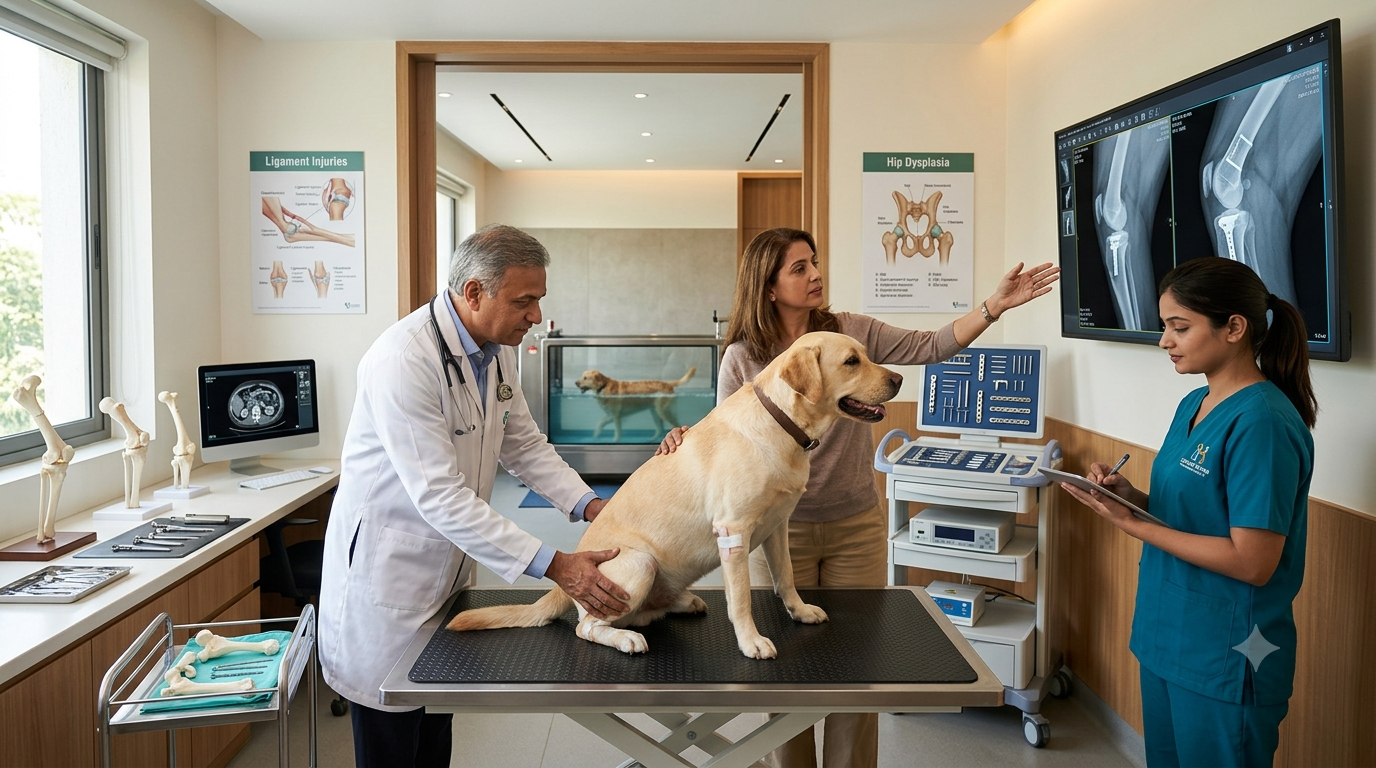

Bringing home a pet is a dream for many animal lovers. Whether you have always wanted a playful Labrador, an affectionate Golden Retriever, an energetic Beagle, or a cuddly Persian cat, the excitement of welcoming a furry companion into your life is truly special. Pets quickly become part of the family, offering unconditional love, companionship, and emotional support. However, while the decision may seem simple at first, bringing a pet home is one of the biggest responsibilities a family can undertake.
Many people make the mistake of adopting or purchasing a pet without discussing the decision with their family. Some believe that a cute puppy or kitten will instantly win everyone’s heart. Others assume they can manage all the responsibilities themselves without needing anyone else’s support. Unfortunately, reality is often very different. A pet affects every person living in the household, regardless of who originally wanted it.
A dog needs daily walks, regular meals, training, veterinary visits, grooming, exercise, and companionship. Cats also require routine healthcare, litter maintenance, mental stimulation, and affection. If family members are not prepared for these responsibilities, disagreements may arise, creating an unhealthy environment for both the pet and the household.
Before you bring a pet home, it is important to have an honest conversation with every family member. Everyone should understand the long-term commitment, financial responsibilities, lifestyle adjustments, and emotional investment that come with pet ownership. When a family makes the decision together, pets are far more likely to enjoy a safe, stable, and loving home for the rest of their lives.
1. A Pet Is a Family Responsibility, Not an Individual Decision
One of the biggest misconceptions among first-time pet owners is believing that only the person adopting the pet will be responsible for its care. In reality, every member of the household becomes involved in one way or another. Even if you promise to handle feeding, walking, and cleaning, there will inevitably be days when work, travel, illness, or personal commitments prevent you from doing everything yourself.
During those times, another family member may need to feed the pet, take it outside, administer medication, or accompany it to a veterinary appointment. If they never agreed to these responsibilities, frustration and resentment can develop quickly.
Pets are highly sensitive to their surroundings. They can sense tension, loud arguments, and changes in routine. A home where family members constantly disagree about the pet’s presence is not the ideal environment for any animal. Obtaining everyone’s approval before adoption creates a positive atmosphere where the pet feels welcomed rather than tolerated.
2. Pets Live for Many Years
Bringing home a puppy or kitten is not a short-term commitment. Dogs often live between 10 and 15 years, while many cats can live 15 to 20 years or even longer with proper care. During these years, your pet will depend entirely on your family for food, healthcare, shelter, exercise, affection, and companionship.
Many people focus only on the excitement of the first few weeks. Puppies are adorable, kittens are playful, and everyone enjoys taking photographs and introducing them to friends. However, as months pass, responsibilities increase. Pets grow larger, require more training, develop healthcare needs, and continue relying on their owners every single day.
Before bringing a pet home, your family should discuss whether everyone is prepared to make this long-term commitment. A pet should never become unwanted simply because its novelty has faded.
3. Financial Planning Is Essential Before Adopting a Pet
Owning a pet involves much more than purchasing food each month. Veterinary care alone represents a significant lifelong investment. Routine vaccinations, annual health check-ups, deworming, flea and tick prevention, sterilization procedures, blood tests, dental cleaning, medications, and emergency treatments all contribute to the overall cost of responsible pet ownership.
Besides medical expenses, families should also plan for recurring costs such as premium pet food, grooming appointments, accessories, training classes, boarding during travel, and unexpected emergencies. Preparing a realistic budget before adoption helps ensure that financial concerns never compromise your pet’s well-being.
Having a family discussion about finances before bringing a pet home helps avoid future disagreements. Everyone should understand the expected expenses and be comfortable supporting the pet throughout its life rather than only during its first few months.
4. Every Family Member Should Feel Comfortable Around Animals
Not everyone grows up around pets. While one family member may absolutely love dogs, another may have fears based on previous experiences. Some people may feel uncomfortable around large breeds, while others simply prefer not to have animals inside the house.
These feelings deserve respect. Ignoring them can create unnecessary stress for everyone involved, including the pet.
Discussing pet adoption beforehand allows each family member to express concerns openly. In many cases, these concerns can be addressed through proper planning, selecting an appropriate breed, or gradually introducing the pet into the household. Honest communication helps ensure that the pet enters a welcoming environment rather than becoming the center of conflict.
5. Allergies Can Change Everything
One of the most overlooked aspects of pet ownership is allergies. Pet dander, fur, saliva, and even certain grooming products can trigger allergic reactions in sensitive individuals. Symptoms may include sneezing, itchy eyes, coughing, breathing difficulties, or skin irritation.
Unfortunately, many families discover these allergies only after bringing the pet home. This often results in heartbreaking decisions to surrender or rehome the animal.
Before adopting a pet, consider whether anyone in your household has asthma or known allergies. If there is uncertainty, spending time with friends’ pets or consulting a healthcare professional beforehand can help prevent emotional and practical difficulties later.
6. Your Lifestyle Should Match Your Pet’s Needs
Every pet has different exercise requirements, energy levels, and personality traits. Some breeds require several hours of physical activity each day, while others are content with shorter walks and indoor playtime.
If everyone in the family works long hours and the house remains empty most of the day, adopting an extremely active dog may not be the best decision. Likewise, families who enjoy outdoor adventures may find great companionship in energetic breeds that love hiking and exercise.
Choosing a pet that matches your family’s daily routine helps prevent behavioral issues such as boredom, anxiety, destructive chewing, excessive barking, or depression. A thoughtful decision made collectively allows both the family and the pet to enjoy a happier and healthier relationship.
7. Prepare Your Home Before Bringing a Pet Home
Once your family has agreed to welcome a pet, the next step is preparing your home for its arrival. A new environment can be overwhelming for animals, especially puppies and kittens that are adjusting to unfamiliar surroundings. Creating a safe and comfortable space before they arrive helps reduce stress and allows them to settle in more quickly.
Remove any hazardous items such as exposed electrical wires, cleaning chemicals, medications, poisonous plants, and small objects that could be swallowed. Decide where your pet will sleep, eat, and rest. Having these arrangements ready before your pet enters the house creates a smooth transition and reduces confusion during the first few days.
A well-prepared home also makes it easier for family members to establish routines from the beginning. Consistency helps pets feel secure and encourages good behavior from an early stage.
8. Choose the Right Pet for Your Family
Not every pet is suitable for every household. Choosing the right companion depends on your family’s lifestyle, available space, work schedule, and previous experience with animals.
An active family that enjoys spending time outdoors may be comfortable caring for energetic breeds that require regular exercise. On the other hand, families with busy work schedules may prefer a pet that is relatively independent and easier to manage throughout the day.
Before making your final decision, spend time researching different breeds, their temperament, grooming needs, exercise requirements, common health conditions, and average lifespan. A pet that matches your family’s lifestyle is more likely to become a happy and well-adjusted member of the household.
9. Understand the Daily Responsibilities
Owning a pet involves responsibilities that continue every single day, regardless of holidays, weekends, or personal commitments. Unlike many hobbies or interests, pet care cannot be postponed when life becomes busy.
Dogs require daily walks, exercise, feeding, grooming, training, and social interaction. Cats also require regular feeding, litter box maintenance, grooming, and mental stimulation through play. Regular veterinary visits, vaccinations, parasite prevention, and health monitoring are equally important throughout their lives.
Before bringing a pet home, every family member should understand these daily responsibilities. Even if one person takes primary responsibility, others should be prepared to help whenever necessary.
10. Find a Trusted Veterinary Clinic in Advance
Responsible pet ownership begins with preventive healthcare. Instead of searching for a veterinarian after your pet becomes sick, identify a trusted veterinary clinic before bringing your new companion home.
Schedule an initial health examination soon after adoption. Your veterinarian will evaluate your pet’s overall health, recommend vaccination schedules, discuss deworming, nutrition, parasite prevention, and answer any questions you may have as a first-time pet owner.
Having an established relationship with a nearby veterinary clinic also ensures faster access to medical care during emergencies. This preparation provides peace of mind for the entire family.
11. Never Bring a Pet Home as a Surprise Gift
Many people believe surprising someone with a puppy or kitten is a thoughtful gesture. While the intention may be good, pets should never be treated as surprise gifts.
Unlike toys or gadgets, pets have emotions, physical needs, and long-term care requirements. The recipient may not have enough time, financial resources, or suitable living arrangements to care for an animal properly. They may also have allergies or simply not be ready for the responsibility.
Instead of surprising someone with a pet, discuss the idea openly and allow them to participate in choosing the right companion. This approach results in a happier experience for both the family and the pet.
12. Avoid Emotional or Impulsive Decisions
Many pet adoptions happen because someone falls in love with an adorable puppy displayed at a pet store or shared on social media. Although emotional connections are natural, adopting a pet should always involve careful planning rather than impulse.
Take time to discuss the decision with your family, calculate long-term expenses, research breeds, locate a reliable veterinarian, and prepare your home. Waiting a few days before making the final decision often helps families evaluate whether they are truly ready for pet ownership.
Remember that pets depend entirely on their owners for their well-being. Thoughtful planning demonstrates responsibility and greatly improves the chances of providing a lifelong home.
13. Teach Children to Respect Animals
Children often become excited when a new pet arrives, but they also need guidance on how to interact respectfully with animals. Parents should teach children that pets experience emotions such as happiness, fear, anxiety, and discomfort.
Children should understand that pulling tails, disturbing pets while eating, waking them during sleep, or handling them roughly can cause stress and even lead to defensive behavior. Gentle interaction helps build trust between children and pets while reducing the risk of accidents.
When children participate responsibly in pet care, they also develop empathy, patience, discipline, and compassion—qualities that benefit them throughout life.
14. Think About Future Life Changes
Life rarely remains the same for many years. Career opportunities, transfers, marriage, higher education, childbirth, or relocation may significantly change your family’s daily routine.
Before adopting a pet, ask yourself whether your family will still be able to provide proper care during these changes. If someone needs to move to another city or country, what arrangements will be made for the pet? If work schedules become busier, who will continue providing daily exercise and companionship?
Considering future possibilities helps families make responsible decisions and prevents pets from being abandoned during major life transitions.
15. Consider Adoption Before Buying
Thousands of healthy and loving dogs and cats live in animal shelters and rescue organizations, waiting for permanent homes. Many of these animals have already received vaccinations, health examinations, and sterilization procedures before adoption.
Choosing adoption not only gives an animal a second chance but also supports responsible animal welfare. Shelter staff often help families select pets that match their lifestyle and provide guidance for successful integration into the home.
Adoption reminds us that every animal deserves love, care, and a safe place to live, regardless of its background.
Common Mistakes First-Time Pet Owners Make
Many first-time pet owners unintentionally make mistakes because they underestimate the responsibilities involved. Some purchase a pet simply because it is fashionable, while others choose a breed without researching its exercise requirements or temperament. These decisions often create difficulties later.
Another common mistake is delaying veterinary visits until the pet becomes sick. Preventive healthcare is always more effective and less expensive than treating advanced illnesses. Skipping vaccinations, ignoring parasite control, or feeding poor-quality food can affect a pet’s long-term health.
Some families also assume training is unnecessary. In reality, early socialization and positive reinforcement training help pets develop good behavior and strengthen their relationship with the family. Investing time in training during the first few months can prevent many behavioral issues later.
Building a Lifetime Bond with Your Pet
A pet is much more than an animal living in your home. It becomes a loyal companion that shares everyday moments with your family. From celebrating birthdays and festivals to comforting you during difficult times, pets become deeply connected to the people who care for them.
This lifelong bond develops through consistent love, patience, proper healthcare, regular exercise, and positive interactions. Families that make the decision together are more likely to share responsibilities, enjoy memorable experiences, and provide a stable environment where pets can thrive.
The happiness that pets bring into a household is immeasurable, but it begins with responsible planning and thoughtful decision-making.
Conclusion
Bringing a pet home is one of the most rewarding decisions you can make, but it should never happen without your family’s permission and support. Every pet deserves a home where it is genuinely welcomed, cared for, and loved by everyone in the household. Open discussions about responsibilities, finances, living arrangements, healthcare, and long-term commitment help prevent misunderstandings and ensure the pet receives the care it deserves.
Before adopting or purchasing a dog, cat, or any other companion animal, take the time to involve every member of your family in the decision-making process. A pet is not a temporary source of entertainment but a lifelong companion that depends on its family for everything.
When everyone agrees and works together, pet ownership becomes a joyful experience filled with unforgettable memories, stronger family bonds, and countless moments of unconditional love. Responsible pet ownership begins long before the day you bring your new companion home—it begins with communication, planning, and a shared commitment to giving your pet the happy, healthy life it deserves.