
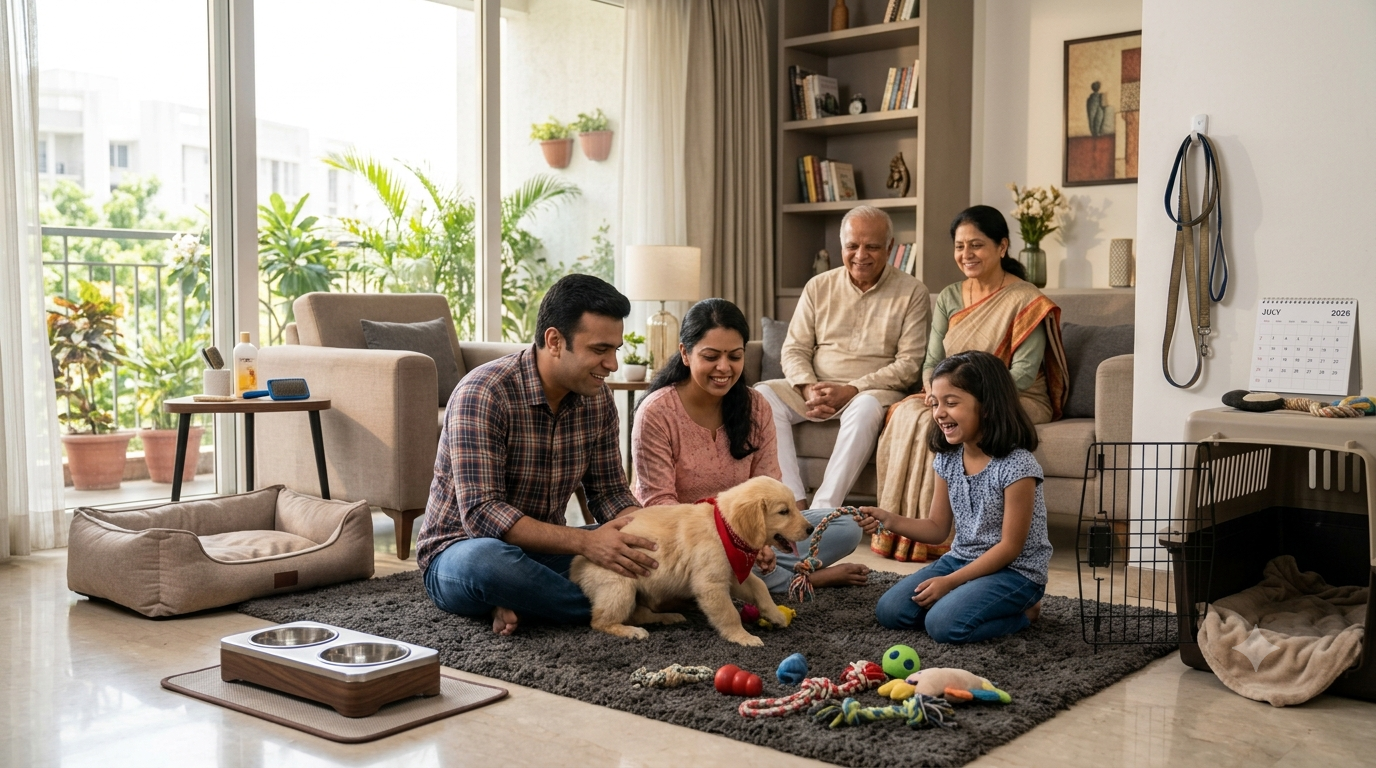
Bringing a dog home is one of the most rewarding decisions you can make, but it is also one of the biggest responsibilities you will ever undertake. A dog is much more than a pet—it becomes a loyal companion, a family member, and a lifelong friend. Before you welcome a puppy or an adult dog into your home, it is important to understand that dog ownership requires careful planning, financial commitment, patience, and consistent care.
Many people choose a dog because they are inspired by social media, movies, or a particular breed’s appearance. Unfortunately, impulse decisions often lead to challenges when owners realize how much time, effort, and money are required to raise a happy and healthy dog. Responsible pet ownership begins long before adoption or purchase. By preparing your family, home, and lifestyle in advance, you can ensure your new companion enjoys a safe, loving, and stable environment.
1. Make Sure Your Entire Family Agrees
Before bringing a dog home, discuss the decision with every member of your household. A dog affects everyone’s daily routine, from feeding and walking to cleaning and veterinary visits. If someone in the family is uncomfortable with having a pet, it is better to address those concerns before adoption.
When everyone supports the decision, responsibilities become easier to share, and your dog receives more consistent love and attention. A welcoming family environment also helps your new pet adjust more quickly to its new home.
2. Choose a Dog That Matches Your Lifestyle
Every dog breed has unique characteristics, energy levels, grooming needs, and exercise requirements. Choosing a dog based only on appearance can lead to disappointment if the breed’s needs do not match your daily routine.
Active breeds such as Border Collies, Belgian Malinois, and Siberian Huskies require several hours of exercise and mental stimulation every day. On the other hand, breeds like Shih Tzus, Pugs, or Cavalier King Charles Spaniels generally adapt better to apartment living and less demanding exercise routines.
Spend time researching different breeds before making your decision. A dog whose personality fits your lifestyle is more likely to become a happy and well-adjusted companion.
3. Understand the Long-Term Commitment
Owning a dog is not a temporary responsibility. Depending on the breed, dogs can live anywhere from 10 to 16 years or even longer. Throughout their lives, they depend entirely on their owners for food, healthcare, exercise, grooming, training, and emotional support.
Before adopting a dog, consider how your future plans may affect your ability to care for it. Career changes, relocation, marriage, children, or frequent travel should all be taken into account. A responsible owner plans for every stage of a dog’s life rather than focusing only on the excitement of bringing a puppy home.
4. Evaluate Your Financial Readiness
Many first-time owners underestimate the lifetime cost of owning a dog. Beyond the initial purchase or adoption fee, regular expenses include high-quality food, vaccinations, deworming, grooming, toys, accessories, veterinary consultations, parasite prevention, training, and emergency medical treatment.
Unexpected illnesses or accidents can result in substantial veterinary expenses. Planning your budget in advance ensures that your dog’s healthcare and overall well-being are never compromised because of financial limitations.
5. Ensure Your Home Is Suitable
Your home should provide a comfortable and secure environment for your dog. Large breeds generally require more space to move around, while smaller breeds often adapt well to apartments. If you live in a gated community or apartment complex, check whether pets are allowed and understand any society rules regarding pet ownership.
Take time to puppy-proof your home by securing electrical wires, removing toxic plants, storing cleaning products safely, and blocking access to dangerous areas. A safe environment reduces the risk of accidents during your dog’s first few weeks at home.
6. Consider the Time Required Every Day
Dogs require daily attention regardless of your work schedule or personal commitments. Feeding, walking, exercise, playtime, grooming, and training all become part of your daily routine.
Puppies require even more supervision during their early months because they are learning house training, social skills, and basic commands. If your family spends most of the day away from home, consider whether someone will be available to care for the dog or whether you should delay adoption until your schedule becomes more flexible.
7. Research the Breed’s Exercise Needs
Exercise is essential for a dog’s physical and mental health. Some breeds are content with two short walks each day, while others require vigorous activity, running, hiking, or advanced training sessions.
Dogs that do not receive enough exercise often develop behavioral problems such as excessive barking, destructive chewing, digging, or anxiety. Before choosing a breed, make sure you can consistently provide the level of activity it requires.
8. Think About Grooming Requirements
Different breeds have different grooming needs. Long-haired breeds require regular brushing and professional grooming to prevent matting, while short-haired dogs generally require less maintenance.
Some breeds shed heavily throughout the year, while others need routine trimming every few weeks. Understanding grooming requirements beforehand helps you prepare both financially and practically for your dog’s care.
9. Find a Trusted Veterinarian
Before your dog arrives home, identify a reputable veterinary clinic or animal hospital nearby. Your dog will need vaccinations, deworming, regular health check-ups, parasite prevention, and emergency care whenever necessary.
Having a trusted veterinarian already selected provides peace of mind and ensures your pet receives immediate medical attention if any health concerns arise.
10. Prepare Essential Supplies in Advance
Your dog’s first day at home will be much smoother if you have already purchased the necessary supplies. Comfortable bedding, quality food, food and water bowls, a collar, leash, identification tag, toys, grooming tools, waste bags, and a crate or carrier should all be ready before your new companion arrives.
Preparing everything in advance allows your dog to settle into its new surroundings without unnecessary stress.
11. Start Training from Day One
Training should begin as soon as your dog enters your home. Establishing routines early helps your pet understand household rules and expectations. Positive reinforcement, consistency, and patience are the keys to successful training.
Basic commands such as sit, stay, come, and leave it not only improve behavior but also contribute to your dog’s safety in everyday situations.
12. Be Ready for Veterinary Emergencies
No pet owner wants to think about emergencies, but accidents and illnesses can happen unexpectedly. Learn to recognize signs such as vomiting, diarrhea, difficulty breathing, excessive lethargy, seizures, or sudden loss of appetite.
Knowing where the nearest 24-hour veterinary hospital is located can save valuable time during a medical emergency.
13. Understand the Importance of Socialization
Proper socialization during puppyhood helps dogs become confident and well-behaved adults. Introducing your dog gradually to new people, sounds, places, and friendly animals reduces fear and anxiety later in life.
A well-socialized dog is generally calmer, more adaptable, and easier to manage in different environments.
14. Think Beyond the Puppy Stage
Many people adore puppies but overlook the responsibilities that come with adult dogs. Puppies eventually grow larger, become stronger, and require ongoing healthcare, exercise, and training for many years.
Responsible ownership means committing to your dog’s entire life rather than only enjoying its early months.
15. Adopt Responsibly Instead of Following Trends
Certain breeds become popular because of celebrities or social media influencers. However, popularity should never determine which dog you bring home.
Choose a dog whose temperament, size, activity level, and care requirements match your family’s lifestyle. You may also consider adopting from a reputable animal shelter or rescue organization, where many loving dogs are waiting for permanent homes.
Conclusion
Bringing a dog home is a lifelong commitment that should never be made on impulse. Careful planning, honest discussions with your family, financial preparation, and understanding your future dog’s needs are essential steps toward responsible pet ownership. When you choose the right breed, prepare your home, establish a healthcare plan, and dedicate time to training and companionship, you create the foundation for a happy and healthy relationship.
A well-cared-for dog rewards its family with unconditional love, loyalty, and companionship for many years. By considering these important factors before adoption, you ensure that your new furry friend enjoys the safe, loving, and forever home every dog deserves.