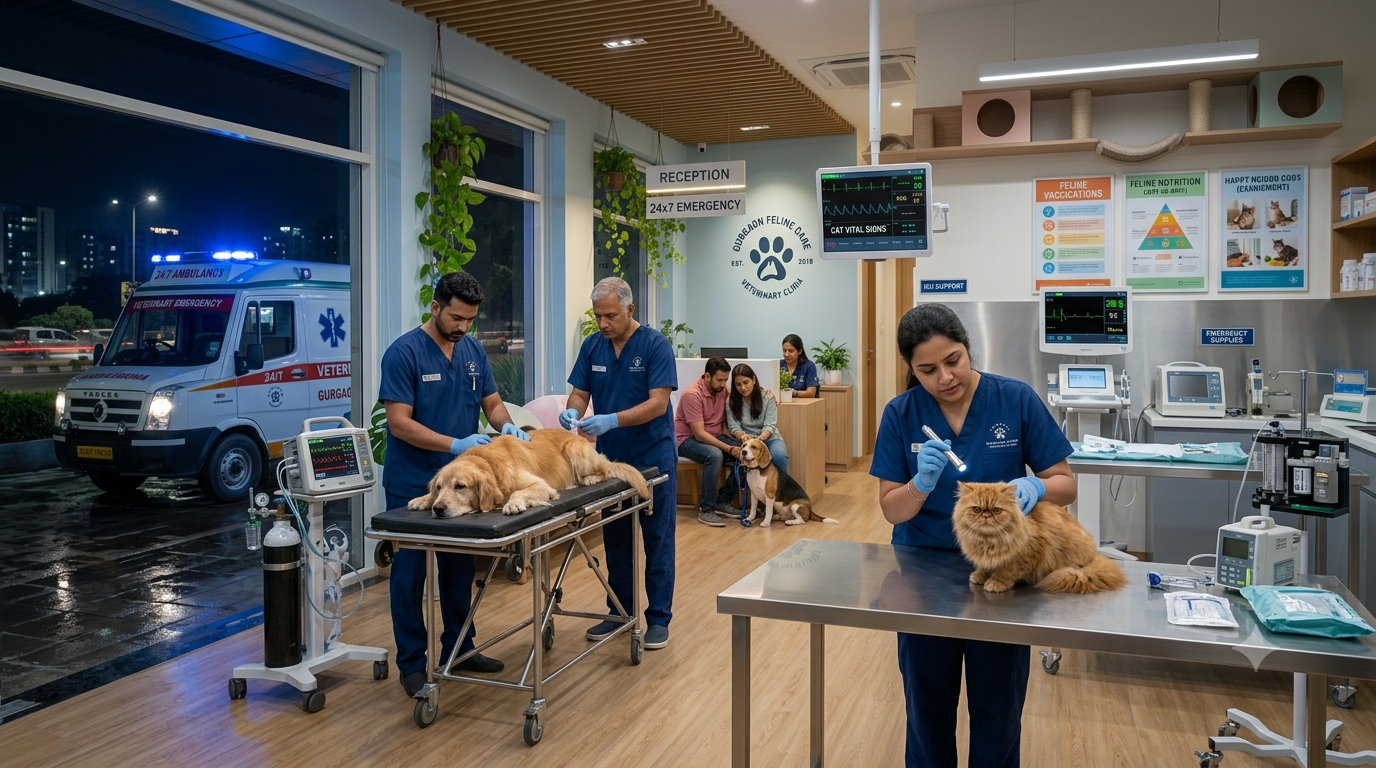
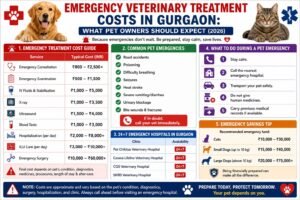
One of the biggest concerns during an emergency is the cost of treatment. While every case is different, understanding the potential expenses can help pet owners make informed decisions without unnecessary delays.
A basic emergency consultation at a 24×7 veterinary hospital in Gurgaon typically costs more than a routine daytime consultation because of after-hours staffing and immediate care requirements. Additional costs depend on the severity of the condition and the diagnostic procedures required.

For example, blood tests, digital X-rays, ultrasound scans, ECG monitoring, intravenous fluid therapy, oxygen support, hospitalization, emergency surgery, anesthesia, medications, and intensive care are billed separately. Complex procedures involving orthopedic surgery, abdominal surgery, or critical care may significantly increase the total cost.
Rather than focusing solely on consultation charges, pet owners should prioritize the quality of emergency care, availability of advanced equipment, and the experience of the veterinary team. Early diagnosis often reduces both treatment costs and recovery time by preventing complications from becoming more serious.
Emergency Vet Treatment Costs in Gurgaon
1. CGS Hospital
CGS Hospital is widely regarded as one of Gurgaon’s leading multi-specialty veterinary hospitals and is a preferred choice for emergency pet care. The hospital is equipped with modern diagnostic facilities, experienced veterinarians, advanced operation theatres, and intensive care units capable of treating critical medical conditions.
Emergency services include trauma management, poisoning treatment, respiratory emergencies,
2. DCC Animal Hospital
DCC Animal Hospital is one of the most advanced veterinary hospitals serving Gurgaon and is well known for handling complex emergency cases. The hospital combines experienced veterinary specialists with modern technology, making it a preferred destination for pet owners seeking immediate medical attention.
The emergency department is equipped to manage road accident injuries, fractures, internal bleeding, poisoning, severe infections, heatstroke, neurological emergencies, respiratory distress, urinary blockages, and post-operative complications. Advanced diagnostic facilities, including digital X-rays, ultrasound, laboratory testing, ECG, and intensive monitoring, allow doctors to make quick and accurate decisions.
Emergency consultation fees generally range between ₹800 and ₹1,200, while treatment costs vary depending on the complexity of the case. The hospital’s organized emergency response system, experienced ICU team, and compassionate approach receive consistently positive reviews from pet owners.
3. Vetic Pet Clinic and Hospital
Vetic has rapidly expanded across major Indian cities, including Gurgaon, and several of its centers provide extended emergency support along with advanced veterinary care. The hospital focuses on combining modern infrastructure with technology-driven healthcare, allowing pet owners to book appointments digitally while also receiving emergency assistance when required.
The veterinary team manages emergency illnesses such as gastrointestinal emergencies, high fever, allergic reactions, trauma, breathing difficulties, dehydration, seizures, and accidental poisoning. In addition to emergency care, Vetic offers laboratory diagnostics, imaging services, vaccinations, surgery, physiotherapy, grooming, and pharmacy services.
Consultation fees generally begin around ₹600. Customers often appreciate the clean environment, professional staff, and smooth appointment process, while emergency cases benefit from access to advanced diagnostic facilities.
4. Pet Chikitsa Veterinary Hospital
Pet Chikitsa has become a trusted choice for many Gurgaon pet owners because it offers quality veterinary care at comparatively affordable prices. Although many families initially visit the hospital for routine vaccinations and preventive healthcare, it also handles urgent medical cases requiring immediate veterinary attention.
The hospital treats trauma cases, severe infections, vomiting, dehydration, skin emergencies, reproductive complications, and surgical emergencies. Diagnostic testing, pathology services, and hospitalization facilities allow veterinarians to monitor recovering patients closely.
Emergency consultation fees generally start around ₹500, making it one of the more budget-friendly options in the city. Reviews frequently mention approachable doctors, transparent communication, and caring staff who patiently explain treatment plans to pet owners.
5. Crown Veterinary Services
Crown Veterinary Services has earned a loyal client base through personalized veterinary care and experienced doctors. While it primarily operates as a multi-specialty veterinary clinic, the team also assists with emergency situations and provides prompt medical intervention whenever possible.
Emergency services include wound management, poisoning treatment, emergency stabilization, fracture assessment, dehydration therapy, infections, and urgent medical consultations. The clinic also provides routine surgeries, vaccinations, dental procedures, and preventive healthcare.
Consultation fees generally range from ₹500 to ₹800. Many customers value the friendly atmosphere and the doctors’ willingness to explain every stage of treatment, especially during stressful emergencies.
6. Cessna Lifeline Veterinary Hospital
Cessna Lifeline Veterinary Hospital has developed a strong reputation for advanced veterinary medicine and emergency critical care. The hospital serves pet owners across Gurgaon and Delhi NCR with specialized treatment supported by experienced veterinary professionals.
The hospital is equipped to manage serious trauma, orthopedic injuries, poisoning, respiratory emergencies, neurological disorders, emergency surgeries, ICU admissions, and advanced diagnostic investigations. Its multidisciplinary approach enables specialists to work together on complicated cases that require immediate intervention.
Consultation fees typically begin around ₹700, while emergency treatment costs depend on diagnostics and hospitalization requirements. Pet owners often appreciate the hospital’s experienced specialists and comprehensive medical facilities.
7. CP Vet Hospital
CP Vet Hospital is another well-known name among Gurgaon pet owners seeking emergency veterinary care. The hospital provides comprehensive treatment for dogs, cats, rabbits, and other companion animals.
Emergency services include accident management, fracture stabilization, wound care, poisoning treatment, emergency surgeries, oxygen therapy, intensive monitoring, and critical care support. Routine services such as vaccinations, preventive healthcare, diagnostics, and surgeries are also available.
Consultation charges generally start around ₹600. Customer reviews commonly highlight the doctors’ calm approach during emergencies and their commitment to explaining treatment options clearly.
8. SKRD Veterinary Hospital
SKRD Veterinary Hospital has become increasingly popular for offering affordable veterinary services without compromising on quality. The hospital handles both scheduled appointments and emergency medical cases involving companion animals.
The veterinary team treats injuries, infections, digestive emergencies, dehydration, urinary disorders, poisoning, and reproductive complications. Diagnostic facilities and inpatient care allow pets to receive continuous observation when necessary.
Consultation fees usually begin around ₹500. Pet owners appreciate the hospital’s approachable staff, reasonable pricing, and attentive follow-up care after treatment.
The Most Common Pet Emergencies by Season in Gurgaon

Emergency cases often follow seasonal trends, and understanding these patterns can help pet owners take preventive measures throughout the year.
1- Summer Emergencies
Gurgaon’s intense summer temperatures can easily exceed 45°C, creating dangerous conditions for pets. Heatstroke remains one of the leading warm-weather emergencies, particularly among brachycephalic breeds such as Pugs, Bulldogs, French Bulldogs, and Shih Tzus. Dehydration, burnt paw pads from hot pavement, and severe tick infestations also become increasingly common during this period.
2- Monsoon Risks
The rainy season brings its own challenges. Standing water, increased humidity, and muddy environments contribute to skin infections, fungal diseases, tick-borne illnesses, leptospirosis, gastrointestinal infections, and accidental slips or injuries during walks.
3- Winter Concerns
Although Gurgaon winters are relatively mild compared to northern hill states, older pets often experience worsening arthritis, while puppies and kittens become more vulnerable to respiratory infections. Cold weather can also aggravate existing heart or kidney conditions in senior animals.
4- Festival-Related Emergencies
Firecrackers during Diwali are responsible for numerous emergency visits every year. Loud noises can trigger panic, causing pets to run away, injure themselves, or develop severe anxiety. Burns, smoke inhalation, and accidental ingestion of festive sweets containing chocolate, xylitol, or raisins are also common emergency presentations.
Pet Poisoning: Dangerous Foods and Household Items Every Family Should Know
Many pet poisoning cases begin inside the home, where seemingly harmless foods and everyday products can become life-threatening.
Chocolate, coffee, tea, grapes, raisins, onions, garlic, alcohol, xylitol-based chewing gum, avocado, macadamia nuts, and excessive salt intake are among the most common food-related toxins for dogs. Cats face additional risks from lilies, certain essential oils, insecticides, flea medications intended for dogs, and various household cleaning agents.
Garage products such as antifreeze, engine oil, paints, and solvents can also be extremely toxic. Rodenticides and garden pesticides frequently cause emergency hospital admissions in both urban and suburban areas of Gurgaon.
If poisoning is suspected, never attempt home remedies without professional guidance. Contact the emergency veterinary clinic immediately, note the time of exposure, preserve the product packaging if possible, and transport your pet for immediate medical evaluation.

How to Transport an Injured Pet Safely
Many well-meaning owners unintentionally worsen injuries while rushing to the clinic. Safe transportation is an important part of emergency care.
Large dogs that cannot walk should be lifted using a sturdy blanket, towel, or improvised stretcher to reduce unnecessary movement of the spine or fractured limbs. Small dogs and cats are safest inside secure travel carriers lined with towels for comfort and stability.
Pets experiencing breathing difficulties should not have tight collars or restrictive harnesses. Animals showing signs of aggression due to pain should be handled cautiously, as even normally gentle pets may bite when frightened.
Whenever possible, one person should drive while another monitors the pet during the journey to the veterinary hospital.

Building a Pet Emergency First-Aid Kit at Home
Every pet-owning household should keep a dedicated first-aid kit that can be accessed quickly during emergencies.
Useful items include sterile gauze, adhesive tape, antiseptic solution approved for pets, bandages, saline solution for eye flushing, digital thermometer, blunt-ended scissors, tweezers, disposable gloves, emergency contact numbers, muzzle for dogs if appropriate, towels, and a flashlight.
Copies of vaccination records, previous medical history, medication lists, allergy information, and your veterinarian’s contact details should also be stored in an easily accessible location or on your smartphone.
While a first-aid kit cannot replace professional treatment, it can help stabilize your pet until veterinary care becomes available.

Should You Visit Your Regular Vet or an Emergency Hospital?
Not every health concern requires an emergency visit, but delaying treatment for serious conditions can have devastating consequences.
If your pet is eating normally, behaving comfortably, and experiencing only mild symptoms such as occasional vomiting or a minor skin irritation, scheduling an appointment with your regular veterinarian may be appropriate.
However, severe breathing difficulty, collapse, continuous seizures, poisoning, major trauma, uncontrolled bleeding, inability to urinate, repeated vomiting with weakness, or sudden paralysis should always be treated as medical emergencies requiring immediate attention at a fully equipped emergency hospital.
When in doubt, it is always safer to call an emergency veterinary clinic for guidance rather than waiting until symptoms worsen.

Preparing for Emergencies Before They Happen
The best emergency is the one that never occurs. Preventive planning can significantly reduce risks and improve outcomes if an unexpected situation arises.
Keep your pet microchipped if available, ensure vaccinations remain up to date, schedule regular wellness examinations, use year-round parasite prevention, and maintain a healthy diet and weight. Store emergency contact numbers in your phone, identify the nearest 24×7 veterinary hospitals to your home and workplace, and discuss any chronic medical conditions with your regular veterinarian so you know what warning signs to watch for.
Being prepared means you can act confidently instead of making rushed decisions during a stressful situation.
Recognizing a True Pet Emergency
One of the biggest mistakes pet owners make is waiting too long before seeking veterinary help. Because animals instinctively hide pain, seemingly minor symptoms can quickly become life-threatening.
Difficulty breathing, continuous seizures, unconsciousness, collapse, excessive bleeding, inability to urinate, suspected poisoning, severe vomiting lasting several hours, bloated abdomen, heatstroke, major fractures, snake bites, and serious road accident injuries should always be treated as emergencies requiring immediate veterinary attention.
Even if the condition ultimately proves less serious, early examination gives veterinarians the best opportunity to prevent complications.

How Gurgaon Is Improving Emergency Pet Healthcare
Over the past few years, Gurgaon has emerged as one of India’s fastest-growing cities for companion animal healthcare. Increasing pet ownership has encouraged veterinary hospitals to invest in advanced imaging equipment, dedicated ICUs, emergency surgery facilities, specialized doctors, and digital patient management systems.
Many hospitals now provide online appointment booking, electronic medical records, teleconsultation support, home sample collection, ambulance services in select areas, and preventive wellness programs that improve overall healthcare outcomes for pets.
These developments have significantly reduced the need for pet owners to travel outside Gurgaon during medical emergencies, ensuring faster access to life-saving treatment.
Frequently Asked Questions About Emergency Veterinary Treatment Costs in Gurgaon
Q1. How much does emergency veterinary treatment cost in Gurgaon?
Ans. The cost depends on your pet’s condition, required treatment, diagnostics, hospitalization, and the clinic’s emergency charges.
Q2. Do emergency vet clinics charge more than regular clinics?
Ans. Yes. Emergency consultations and after-hours treatments usually cost more than routine veterinary visits.
Q3. What is considered a pet emergency?
Ans. Difficulty breathing, severe bleeding, poisoning, seizures, fractures, road accidents, and inability to urinate are medical emergencies.
Q4. Are emergency veterinary services available 24/7 in Gurgaon?
Ans. Some veterinary hospitals in Gurgaon provide 24/7 emergency care, while others offer limited emergency hours.
Q5. Does pet insurance cover emergency treatment?
Ans. Some pet insurance plans cover emergency treatment, depending on the policy and its terms.
Final Thoughts
Medical emergencies rarely happen at a convenient time, but being prepared can make all the difference. Whether your pet experiences heatstroke on a hot Gurgaon afternoon, ingests a toxic substance late at night, develops sudden breathing difficulties, or is injured in an accident, timely access to qualified emergency veterinary care greatly improves the chances of recovery.
Gurgaon now offers a growing network of advanced veterinary hospitals with experienced veterinarians, modern diagnostic facilities, emergency surgery capabilities, intensive care units, and round-the-clock support. By understanding the warning signs of a true emergency, keeping essential contact numbers readily available, and knowing where to seek immediate help, you can respond quickly when every minute counts.
Your pet depends on you to make the right decisions during life’s most unexpected moments. Planning ahead today can help ensure they receive the urgent care they need tomorrow.