Bringing a pet into your family is one of life’s most rewarding experiences, but it also comes with a lifelong responsibility. Whether you have welcomed an energetic Labrador puppy, adopted a rescued Indie dog, or brought home a playful kitten, one decision can significantly influence your pet’s health and happiness for years to come—choosing the right veterinarian.
A veterinarian is much more than a doctor who treats illness. They become your trusted partner in every stage of your pet’s life, from puppyhood and kittenhood to adulthood and senior care. They guide you on vaccinations, nutrition, parasite prevention, dental care, surgeries, behavioural concerns, emergency treatment, and preventive healthcare. Having an experienced veterinarian by your side means your pet receives timely medical attention, reducing the risk of serious illnesses and ensuring a better quality of life.
Finding a veterinarian in Gurgaon may seem easy because the city is home to numerous pet clinics, multispecialty veterinary hospitals, diagnostic centres, emergency animal hospitals, and home veterinary services. However, not every clinic offers the same level of expertise, facilities, transparency, or compassionate care. Choosing the nearest clinic or the one with the lowest consultation fee may not always be the best decision for your pet’s long-term health.
This comprehensive guide will help you understand exactly what to look for when selecting a veterinarian in Gurgaon, the important questions you should ask, common mistakes to avoid, and the qualities that separate an exceptional veterinary practice from an average one. By the end of this guide, you’ll be better equipped to make an informed decision that benefits both you and your beloved companion.
1. Why Choosing the Right Veterinarian Matters
Many pet owners visit a veterinary clinic only when their dog or cat falls sick. In reality, a veterinarian’s role extends far beyond treating diseases. A trusted veterinarian helps monitor your pet’s overall health, identifies potential medical issues before they become serious, and creates a preventive healthcare plan tailored to your pet’s age, breed, and lifestyle.
Regular veterinary check-ups allow early detection of conditions such as obesity, arthritis, diabetes, kidney disease, dental infections, skin allergies, and heart problems. Diagnosing these conditions early often results in simpler treatments, faster recovery, and significantly lower medical expenses.
For example, a routine annual blood test might reveal early kidney disease in a senior dog long before obvious symptoms appear. Early treatment can slow disease progression and improve your pet’s quality of life for years.
Similarly, routine vaccinations and parasite prevention help protect pets from life-threatening diseases such as parvovirus, distemper, rabies, leptospirosis, and tick-borne infections.
A veterinarian also serves as your advisor whenever you have questions regarding nutrition, exercise, behavioural issues, weight management, breeding, sterilization, travel certificates, or senior pet care. Establishing a long-term relationship with a veterinarian ensures your pet receives consistent and personalized healthcare throughout every stage of life.
2. Understanding Veterinary Services Available in Gurgaon
Over the past decade, Gurgaon has emerged as one of India’s leading cities for advanced pet healthcare. Today, pet owners have access to a wide range of veterinary services that were once available only in major metropolitan animal hospitals.
Depending on your pet’s needs, you can choose from neighbourhood veterinary clinics, multispecialty animal hospitals, emergency care centres, diagnostic laboratories, physiotherapy clinics, pet rehabilitation centres, grooming facilities, nutrition counselling services, and home veterinary visits.
Many modern veterinary hospitals now provide advanced services such as:
1. Preventive healthcare and annual wellness examinations
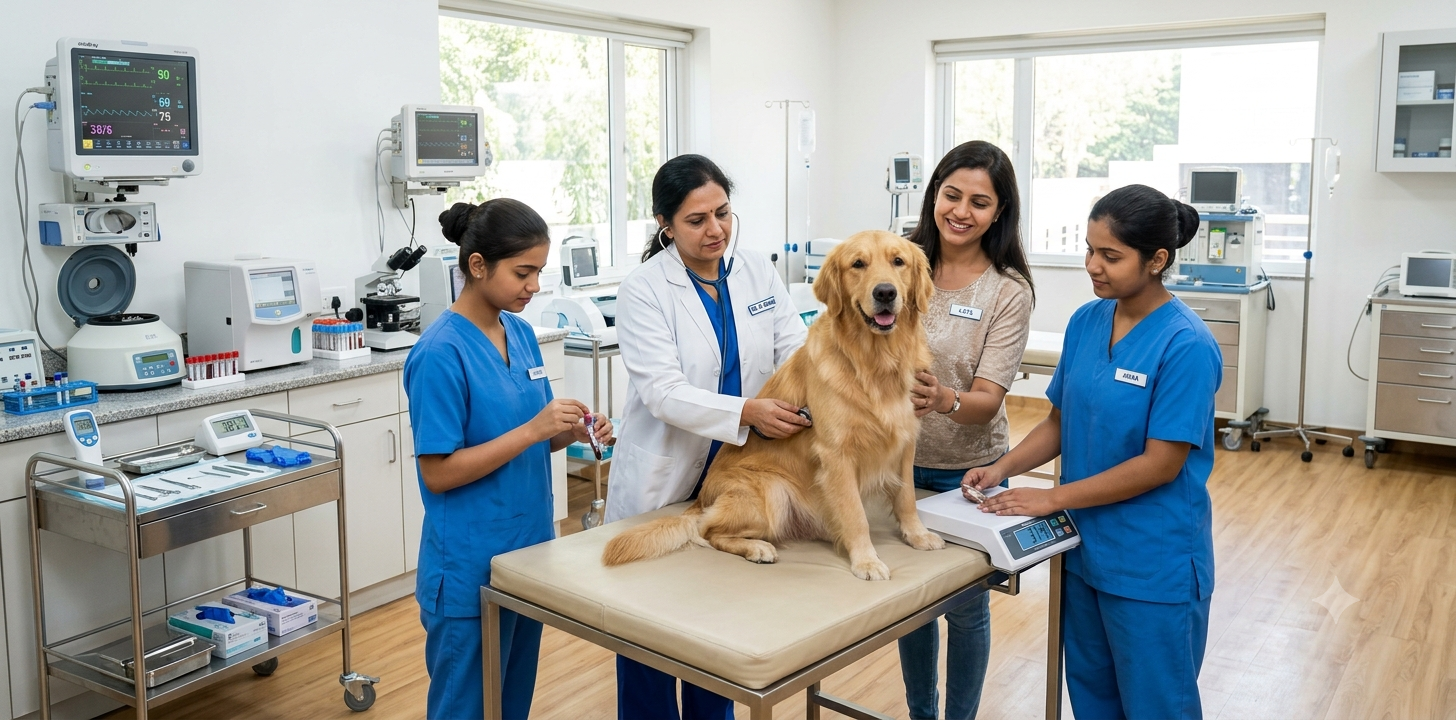
Routine health check-ups help monitor your pet’s growth, identify hidden diseases, and ensure vaccinations remain up to date.
2. Vaccination and deworming programmes
Puppies, kittens, adult pets, and senior animals require different vaccination schedules and parasite control programmes.
3. Diagnostic imaging
Digital X-rays, ultrasound, ECG, and laboratory testing help veterinarians diagnose illnesses accurately and begin treatment quickly.
4. Surgical procedures
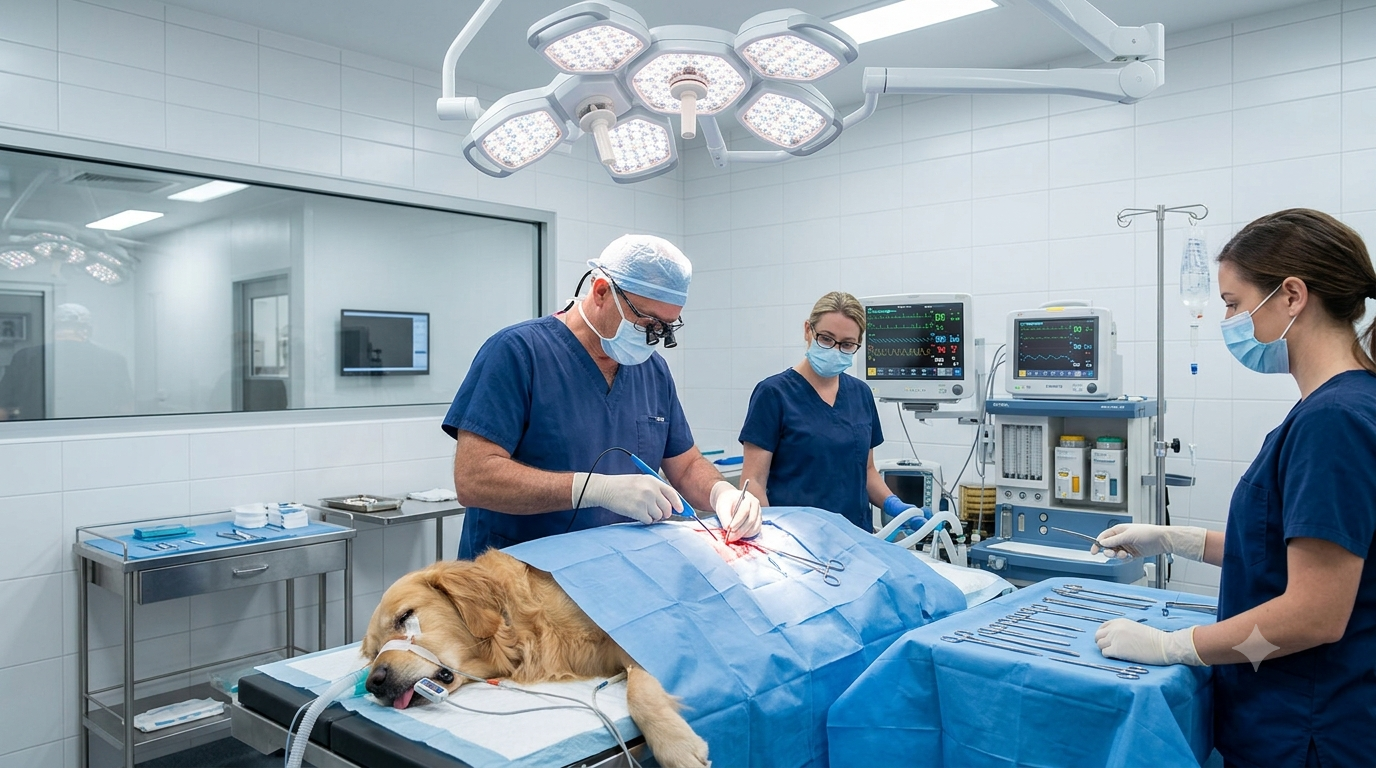
Many hospitals now perform routine sterilizations as well as complex orthopedic, abdominal, soft tissue, ophthalmic, and emergency surgeries.
5. Specialized departments
Larger veterinary hospitals often have specialists in dermatology, dentistry, cardiology, oncology, internal medicine, neurology, and intensive care.
6. Emergency and critical care
Several hospitals in Gurgaon operate 24×7 emergency services equipped to handle poisoning, trauma, seizures, heatstroke, breathing difficulties, and other life-threatening emergencies.
Understanding the services your pet may require today—and in the future—helps you choose a veterinary clinic capable of supporting your pet throughout its lifetime rather than requiring referrals for every major health concern.
3. Evaluate Your Pet’s Healthcare Needs First
No two pets have identical healthcare requirements. Before selecting a veterinarian, take time to understand your pet’s current health status and future medical needs.
A young puppy typically requires frequent vaccination appointments, deworming, nutritional guidance, behavioural advice, and growth monitoring during its first year.
Adult dogs generally benefit from annual wellness examinations, dental check-ups, parasite prevention, vaccination boosters, and weight management programmes.
Senior dogs require more comprehensive care, including routine blood tests, arthritis management, organ function screening, eye examinations, and monitoring for age-related illnesses.
Cats often need veterinarians experienced in feline medicine because cats tend to hide symptoms until diseases become advanced. A cat-friendly clinic with separate waiting areas can also reduce stress during visits.
If you own rabbits, birds, guinea pigs, turtles, hamsters, or other exotic pets, it is especially important to choose a veterinarian with species-specific experience. Exotic animals have unique nutritional requirements and medical conditions that general practitioners may not encounter regularly.
Before finalizing a veterinary clinic, consider factors such as:
- Your pet’s age
- Breed-specific health risks
- Existing medical conditions
- Vaccination history
- Future surgical requirements
- Lifestyle and activity level
- Travel frequency
- Chronic medications, if any
Selecting a veterinarian whose expertise aligns with your pet’s unique needs ensures more accurate diagnosis, better treatment planning, and improved long-term health outcomes.
4. Choose a Veterinary Clinic in a Convenient Location
While medical expertise should always remain your highest priority, location is another factor that deserves careful consideration.
Emergencies rarely happen at convenient times. A dog suffering from heatstroke, poisoning, severe injuries, breathing difficulties, or gastric torsion requires immediate medical attention. During these situations, every minute can make a significant difference.
Choosing a veterinary clinic located within a reasonable driving distance from your home can save valuable time during emergencies.
A nearby clinic also makes routine healthcare much easier. Puppies often require multiple vaccination visits within their first few months. Regular follow-up appointments, annual health screenings, post-operative check-ups, and dental cleanings become far more manageable when travel time is minimal.
Several well-developed areas in Gurgaon—including DLF Phases, Sushant Lok, Golf Course Road, Sector 31, Sector 46, Sohna Road, Palam Vihar, South City, and New Gurgaon—have access to experienced veterinarians and modern veterinary hospitals.
However, convenience should never outweigh quality. It is usually better to travel a few extra kilometres to visit an experienced veterinarian than to compromise on medical care simply because a clinic is closer to your home.
If possible, shortlist two clinics:
- A trusted neighbourhood veterinarian for routine healthcare.
- A 24-hour emergency veterinary hospital for critical situations.
Having both options available ensures you are prepared for both routine visits and unexpected emergencies.
5. Don’t Rely Only on Online Reviews
Most pet parents begin their search by reading Google reviews or browsing social media recommendations. While online ratings provide useful insights, they should never be the sole deciding factor.
A clinic with hundreds of five-star reviews is not necessarily the best choice for every pet. Instead of focusing only on the overall rating, spend time reading detailed reviews that discuss real experiences.
Look for comments about:
- The veterinarian’s communication skills.
- Diagnostic accuracy.
- Compassion towards animals.
- Transparency regarding treatment options and costs.
- Emergency response.
- Waiting time.
- Follow-up care.
- Staff behaviour and professionalism.
Community recommendations are equally valuable. Local pet owner groups, breed-specific communities, rescue organisations, and experienced pet parents often recommend veterinarians based on years of personal experience rather than a single visit.
If possible, speak directly with other pet owners in your neighbourhood. Their firsthand experiences can provide practical insights that online reviews sometimes cannot.
Finally, remember that your own experience matters most. Schedule an introductory consultation before making a long-term decision. Observe how the veterinarian interacts with your pet, answers your questions, and explains treatment options. A good veterinarian builds trust not only with the pet but also with the owner, creating a strong partnership that lasts for years.
6. Check the Veterinarian’s Experience and Qualifications
Experience is one of the most important factors to consider when choosing a veterinarian. While every veterinarian receives professional medical training, years of hands-on experience often improve diagnostic accuracy, decision-making, and confidence in handling complicated cases.
An experienced veterinarian has usually treated hundreds or even thousands of pets with different illnesses, injuries, and medical conditions. This practical exposure helps them recognize symptoms quickly and recommend appropriate treatment without unnecessary delays.
When visiting a clinic for the first time, don’t hesitate to ask about the veterinarian’s educational background, years of experience, areas of specialization, and whether they regularly treat pets similar to yours. If your dog belongs to a breed that is prone to hip dysplasia or heart disease, or your cat has a chronic medical condition, it is reassuring to know that the veterinarian has handled similar cases before.
It is equally important to observe how the veterinarian communicates. A knowledgeable veterinarian should explain medical conditions in simple, easy-to-understand language instead of using complex medical terminology that may confuse pet owners. They should patiently answer your questions, discuss available treatment options, explain possible risks, and involve you in important healthcare decisions.
A veterinarian who continues attending workshops, conferences, and training programs also demonstrates a commitment to staying updated with advances in veterinary medicine. Since medical technology and treatment protocols continue to evolve, continuous learning ultimately benefits your pet.
7. Visit the Clinic Before Making Your Final Decision
One of the biggest mistakes many pet parents make is waiting until their pet becomes seriously ill before visiting a veterinary clinic. Instead, schedule a routine consultation or wellness examination to evaluate the clinic before you actually need emergency care.
As you enter the clinic, observe the overall environment. A clean, organized, and hygienic facility reflects professionalism and attention to detail. Floors should be clean, consultation rooms should be sanitized, surgical areas should appear well maintained, and equipment should be organized properly.
The reception staff should greet visitors politely, manage appointments efficiently, and answer basic questions confidently. Friendly and organized staff members often indicate that the clinic values customer service as much as medical care.
Watch how the veterinarian interacts with your pet. Rather than rushing through the consultation, they should spend time examining your pet carefully, allowing the animal to become comfortable, and explaining their observations to you.
A good veterinarian never makes owners feel hurried. They encourage questions, discuss preventive care, and ensure that pet parents leave the clinic with complete clarity about medications, follow-up visits, dietary recommendations, and recovery instructions.
Another important aspect is how anxious pets are handled. Gentle handling techniques, patience, and calm behaviour significantly reduce stress during examinations, especially for cats, puppies, and rescued animals that may already be nervous.
8. Evaluate the Range of Veterinary Services Available
Choosing a veterinary clinic that offers comprehensive healthcare services can save both time and effort throughout your pet’s life.
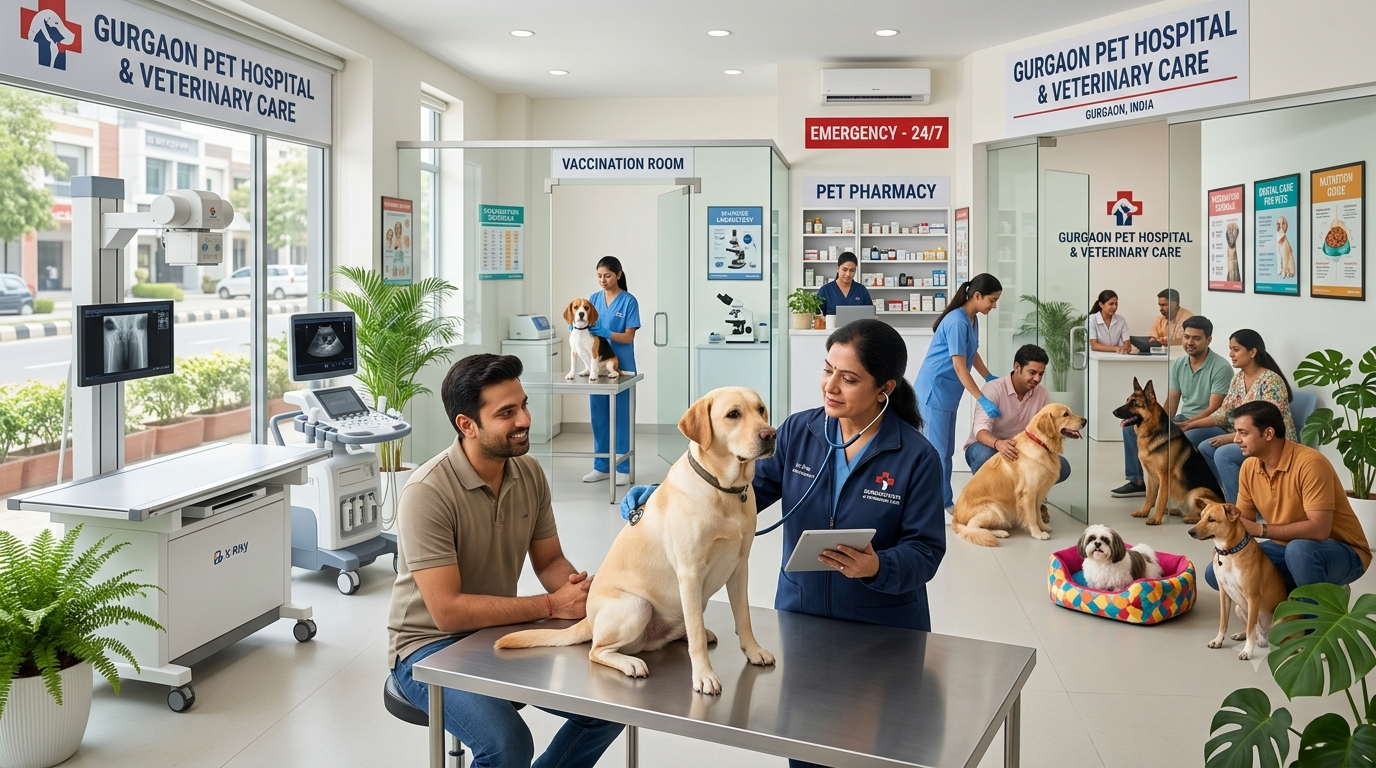
Many modern veterinary hospitals in Gurgaon now provide multiple services under one roof, allowing pet owners to receive complete medical care without visiting different facilities for diagnostics, surgery, or emergency treatment.
Ideally, your chosen veterinary hospital should provide:
- Routine health check-ups
- Puppy and kitten vaccination programs
- Deworming and parasite control
- Digital X-ray and ultrasound facilities
- Blood testing and pathology services
- Soft tissue and orthopedic surgeries
- Dental cleaning and oral care
- Nutritional counselling
- Pet grooming services
- Physiotherapy and rehabilitation
- Intensive care unit (ICU)
- Emergency and critical care services
- Microchipping and health certificates
- Senior pet wellness programs
Having these services available in one place ensures continuity of care. The veterinarian already understands your pet’s medical history, previous medications, allergies, vaccination records, and diagnostic reports, making treatment more efficient and accurate.
This integrated approach also minimizes delays that often occur when pets need referrals to multiple clinics for different procedures.
9. Ensure the Clinic Provides Emergency Veterinary Care
Medical emergencies can happen without warning, even if your pet appears perfectly healthy. Road accidents, poisoning, heatstroke, seizures, severe vomiting, snake bites, fractures, breathing difficulties, allergic reactions, and gastric dilation are situations where immediate veterinary attention can save a pet’s life.
Before choosing a veterinarian, ask whether the clinic offers emergency services outside regular working hours. Some clinics operate only during daytime, while others have dedicated emergency teams available throughout the night.
It is also helpful to know whether the hospital has emergency surgical facilities, oxygen support, intensive care units, blood transfusion capabilities, and advanced monitoring equipment.
Keep the clinic’s emergency contact number saved in your phone and know the quickest route from your home. During emergencies, every minute matters, and being prepared can make a significant difference in treatment outcomes.
Even if your regular veterinarian does not provide round-the-clock emergency care, they should be able to recommend a trusted emergency veterinary hospital nearby.
10. Communication Skills Matter as Much as Medical Expertise
Excellent veterinarians are not only skilled doctors but also effective communicators. Since pets cannot describe their symptoms, veterinarians rely heavily on information provided by pet owners.
A veterinarian who listens carefully, asks detailed questions, and explains diagnoses clearly builds trust and confidence.
During consultations, they should explain:
- What medical condition your pet has
- Why additional tests may be necessary
- Available treatment options
- Expected recovery timeline
- Medication instructions
- Possible side effects
- Home care recommendations
- Warning signs that require immediate attention
Avoid clinics where consultations feel rushed or where your concerns are dismissed without proper explanation. Good communication reduces misunderstandings and helps owners participate actively in their pet’s healthcare.
The best veterinarians understand that educating pet parents is an important part of successful treatment. When owners know what to expect, they are more likely to follow treatment plans correctly and identify potential complications early.
11. Look for Transparent Pricing and Honest Recommendations
Veterinary treatment is an important investment in your pet’s health, and responsible clinics maintain complete transparency regarding consultation fees, diagnostic charges, surgery costs, medications, hospitalization expenses, and follow-up visits.
Before agreeing to any major treatment, ask for a detailed estimate. A trustworthy veterinarian will explain why each procedure or diagnostic test is recommended and provide a realistic cost estimate without pressuring you into unnecessary treatments.
Transparency helps pet owners plan financially and prevents unpleasant surprises later. It also reflects the clinic’s commitment to ethical medical practice.
While it may be tempting to choose the lowest-cost clinic, remember that quality veterinary care depends on experienced professionals, trained support staff, modern diagnostic equipment, sterile surgical facilities, and high-quality medicines. These factors naturally influence treatment costs.
Instead of searching only for the cheapest option, focus on finding a clinic that offers the best value through experienced care, honest advice, modern facilities, and compassionate treatment. Investing in preventive healthcare and timely medical attention often reduces long-term expenses by preventing serious illnesses before they become costly to treat.
Questions You Should Ask Before Choosing a Veterinarian
During your initial consultation, ask about vaccination schedules, emergency availability, surgery facilities, hospitalization, preventive healthcare plans, diagnostic capabilities, appointment systems, consultation fees, and follow-up support.
A professional veterinarian will answer these questions openly and help you understand your pet’s healthcare needs without unnecessary pressure.
Final Thoughts
Selecting the right veterinarian in Gurgaon is one of the most valuable investments you can make for your pet’s lifelong health. While modern veterinary facilities are widely available across the city, choosing the right clinic requires careful evaluation of medical expertise, communication, hygiene, emergency support, transparency, and long-term preventive care.
Rather than searching only for the nearest or least expensive clinic, focus on finding a veterinarian who listens carefully, explains treatment options clearly, and genuinely prioritizes your pet’s well-being. A trusted veterinarian becomes an important partner throughout your pet’s life, providing guidance from puppyhood or kittenhood through adulthood and senior care.
With regular check-ups, timely vaccinations, preventive healthcare, and a strong relationship with an experienced veterinary team, you can help your beloved companion enjoy a long, healthy, and happy life.